
Rankings are based on independently published 0–60 mph tests currently included in the 0–60 Specs database. Vehicles without a qualifying published test in our database are not included.
Fastest Sedans: Top 0-60 Times
Median 0–60 mph 5.60sec Average 6.28s
Qualifying Vehicles 376 1954–2026 model years
Verified Tests 3,599 Tests in this category
01 /
Top 10 Fastest by 0–60 mph
- 1
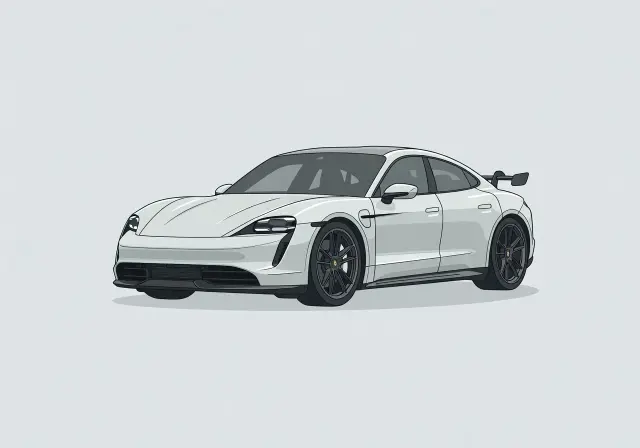 Porsche Taycan 1.89s
 - 2
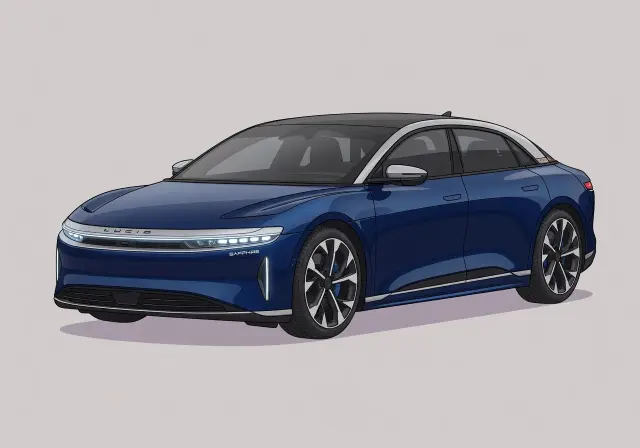 Lucid Air 1.90s
 - 3
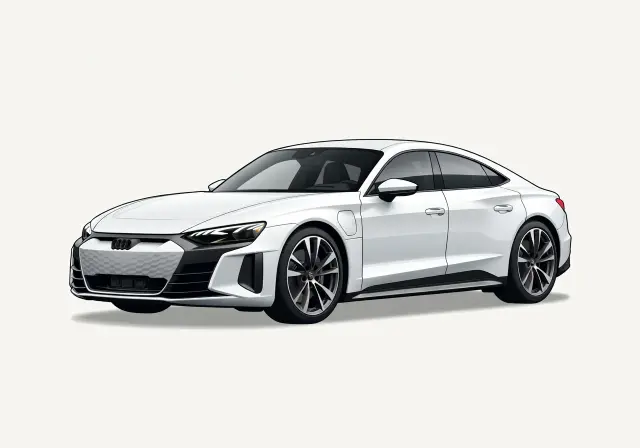 Audi RS e-tron GT 2.10s
 - 4
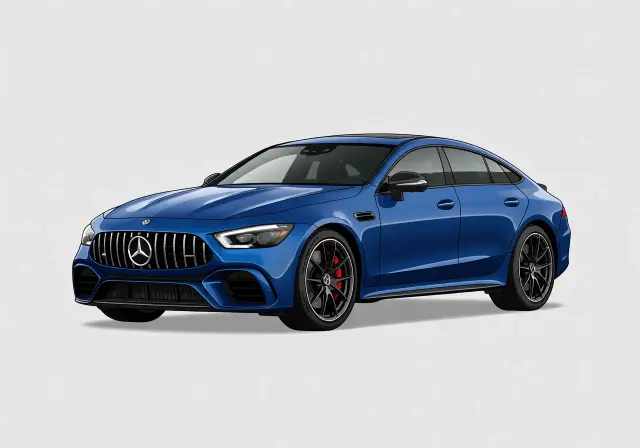 Mercedes-AMG GT63 2.40s
 - 5
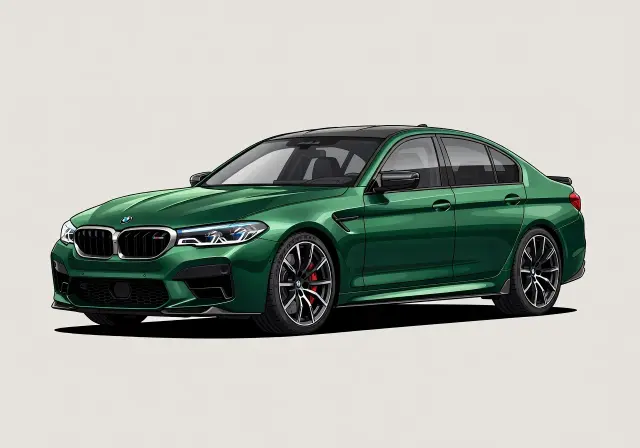 BMW M5 2.60s
 - 6
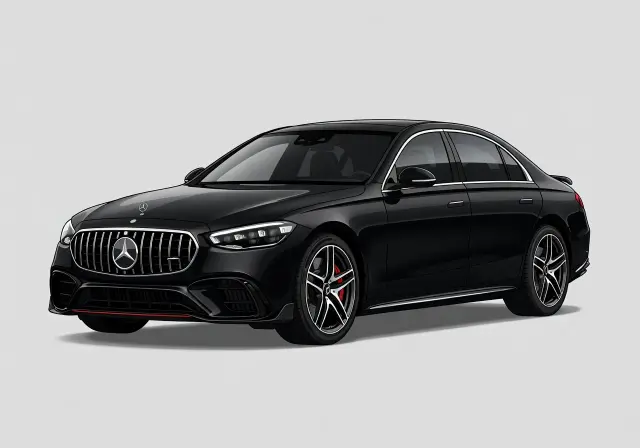 Mercedes-AMG S63 2.60s
 - 7
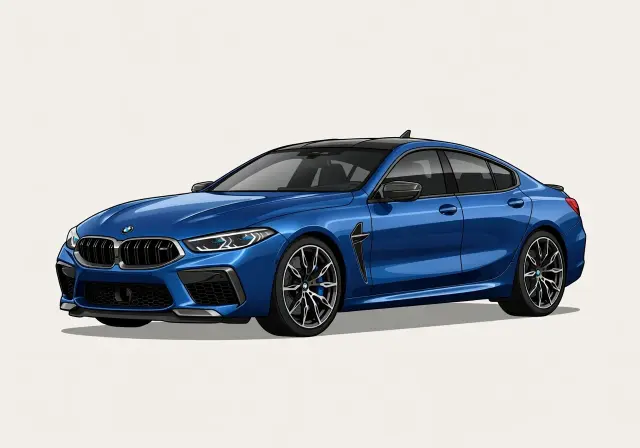 BMW M8 2.70s
 - 8
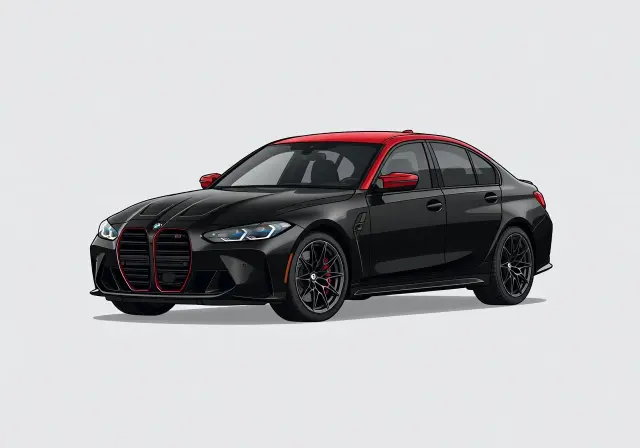 BMW M3 2.70s
 - 9
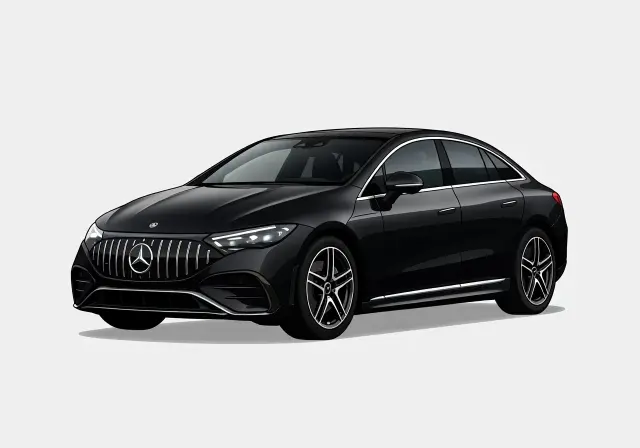 Mercedes-AMG EQE 2.80s
 - 10
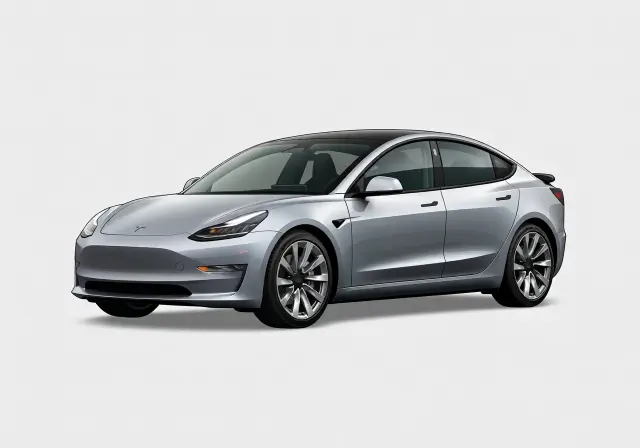 Tesla Model 3 2.80s
02 /
Methodology & Eligibility
- Production-only by default. The canonical ranking counts factory-production vehicles. Use the toggle to include modified / tuner builds.
- One entry per model. Each model is represented by its single fastest verified result — repeated publication tests are collapsed.
- Ranked by 0–60 mph. Lower is faster; ties are broken by the earliest recorded test.
- Verified tests only. Every result comes from an independently published road test in our database.
03 /
Full Rankings
vehicles shown
04 /
Category Statistics
1.89sFastest 0–60 mph
5.60sMedian
6.28sAverage
25.90sSlowest qualifying
376Qualifying vehicles
Median is preferred over average — it is less influenced by a handful of exceptionally quick outliers. Statistics reflect production results only.
05 /
Common Traits Among the Fastest Sedans
This field of 376 sedans centers on balanced rather than single-layout performance. Rear-wheel drive accounts for 38 percent, all-wheel drive 35 percent, and front-wheel drive 27 percent. The group averages 323 hp, 338 lb-ft, and 3890 lb, with a median weight of 3860 lb and an average power-to-weight figure of 79.5 hp per 1000 lb, or 12 lb per hp.
Most entries are gasoline-powered, and the aspiration mix also matters: 45 percent are naturally aspirated while 36 percent are turbocharged. Only 19 percent are manual, which shows how much this class has shifted toward automatic and other two-pedal setups. Brands such as Mercedes-Benz, BMW, and Audi make up a large share of the category.
38%Rear-wheel drive
35%All-wheel drive
27%Front-wheel drive
324 hpAvg horsepower
339 lb-ftAvg torque
3,896 lbAvg curb weight
79.6 hp/1,000 lbPower-to-weight
19%Manual gearbox
36%Turbocharged
2007Avg model year
06 /
Why Horsepower Isn't Everything
Raw output alone does not settle 0-60 results. This group averages 323 hp, yet its average power-to-weight is 79.5 hp per 1000 lb, and average mass is 3890 lb. That combination shows why weight matters as much as peak power: two sedans with similar horsepower can deliver very different launches if one carries less mass or has a stronger lb-per-hp figure.
Gearing, tire grip, and drivetrain also shape what happens off the line. All-wheel drive often turns power into motion more effectively, while a well-geared car can stay in a stronger part of its powerband. That is why some lighter or better-matched sedans outperform heavier, more powerful rivals even before traction limits enter the picture.
Horsepower vs 0–60 mph
One dot per vehicle · 376 plotted 320 of 376 vehicles, evenly sampled
0s 5s 10s 15s 20s 25s 0 250 500 750 1,000 1,250 Horsepower → 0–60 mph (seconds) →
0s 5s 10s 15s 20s 25s 0 250 500 750 1,000 1,250 Horsepower → 0–60 mph (seconds) →
Top 10 ranked All other vehicles
Each dot is one vehicle at its fastest verified run. Exact figures for every point are in the full rankings.
07 /
Brands With the Most Sedans
08 /
Powertrain Breakdown
09 /
Sedans by Decade
Per-decade medians trace a clear long-term improvement in sedan acceleration. The 1950s sit at 12, the 1960s at 10.2, the 1970s at 11.3, and the 1980s at 9.6. From there, the category moves steadily quicker, with the 1990s at 7.7 and the 2000s at 6.1.
The pace continues in newer eras: the 2010s median falls to 5, and the 2020s reach 4.1. That progression shows modern gains in power delivery, gearing, tire technology, and traction management. It also fits the current front of the list, where entries like the 2025 Porsche Taycan and 2025 Lucid Air sit far ahead of older decade norms.
10 /
Records & Superlatives
The record holders show how wide this category's performance envelope has become. The fastest naturally aspirated sedan is the Mercedes-Benz C63 AMG at 3.9, while the quickest turbocharged entry is the BMW M5 at 2.6 and the electric benchmark is the Porsche Taycan at 1.89.
By layout and transmission, the same pattern appears. All-wheel drive leads at 1.89, rear-wheel drive at 3.4, front-wheel drive at 4.7, manual at 4.2, automatic at 1.89, dual-clutch at 4.4, and CVT at 5.4. The spread indicates that launch traction and transmission strategy can separate records almost as much as engine type.
12 /
Frequently Asked Questions
What is the quickest sedan here?
The quickest entry is the 2025 Porsche Taycan, specifically the Turbo GT Weissach, with a 0–60 mph time of 1.89 seconds. It is a 2025 model rated at 1,019 hp, and it sets the benchmark for this sedan ranking.
How big is this sedan ranking, and how wide is the performance spread?
This ranking includes 376 Sedans. The field runs from the class-leading 1.89 seconds at the top to 25.9 seconds at the bottom, which shows just how broad sedan performance is when ordered by 0–60 mph.
What is a typical 0-60 mph time for sedans in this list?
A typical result sits closer to the middle of the field than the headline leader. The median is 5.6 seconds, while the average is 6.28 seconds. Together, those give a better sense of everyday category pace than the single quickest record.
Why are some lower-horsepower sedans ranked ahead of more powerful ones?
Because the order is based on 0–60 mph, not output alone. Launch traction, drivetrain layout, gearing, transmission behavior, and curb weight all affect the run to 60 mph, so a sedan with less power can still rank ahead if it deploys that power more effectively.
What qualifies a vehicle for this sedan list?
A vehicle qualifies if it is a sedan with a recorded 0–60 mph result in the database. Once included, it is placed by that measured time, which lets older models, newer EVs, manuals, and automatics appear in the same ranked field.