
Rankings are based on independently published 0–60 mph tests currently included in the 0–60 Specs database. Vehicles without a qualifying published test in our database are not included.
Fastest Vans: Top 0-60 Times
Median 0–60 mph 9.40sec Average 11.52s
Qualifying Vehicles 14 1961–2026 model years
Verified Tests 50 Tests in this category
01 /
Top 10 Fastest by 0–60 mph
- 1
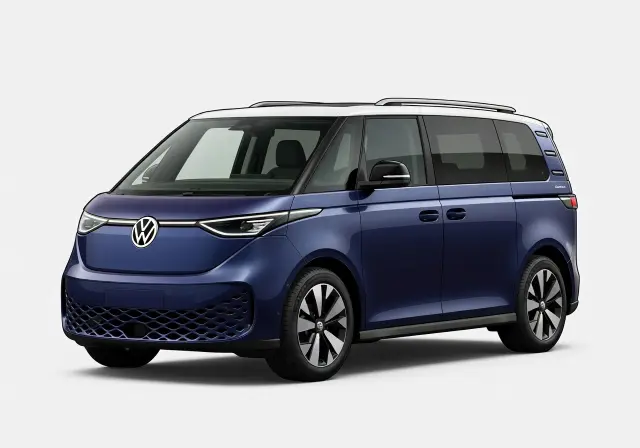 Volkswagen ID. Buzz 5.30s
 - 2
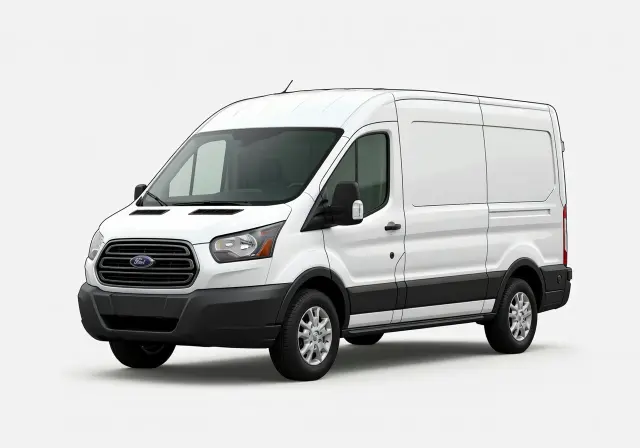 Ford Transit 6.70s
 - 3
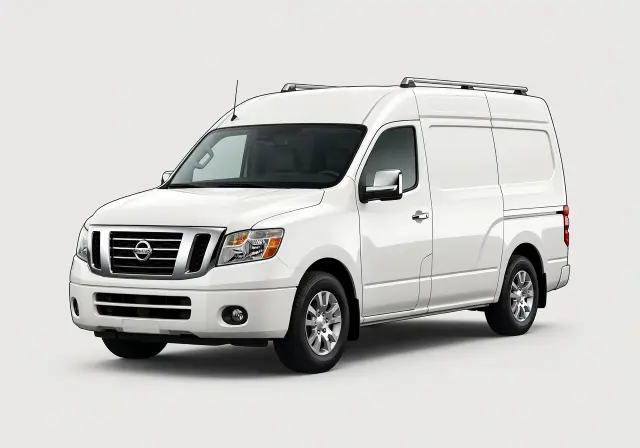 Nissan NV 7.50s
 - 4
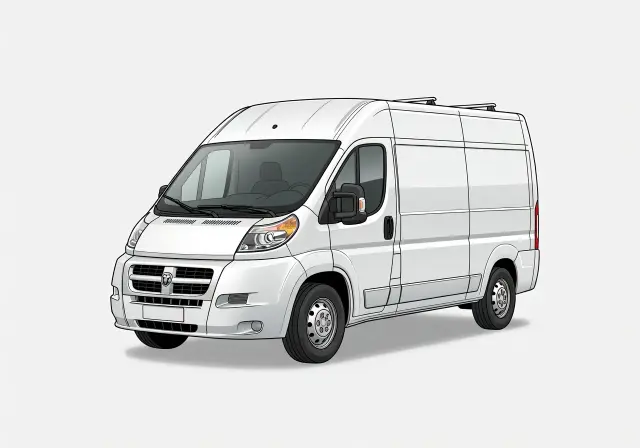 Ram ProMaster 8.10s
 - 5
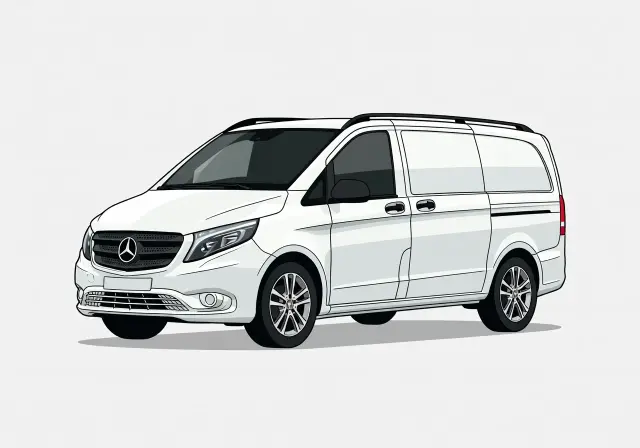 Mercedes-Benz Metris 8.40s
 - 6
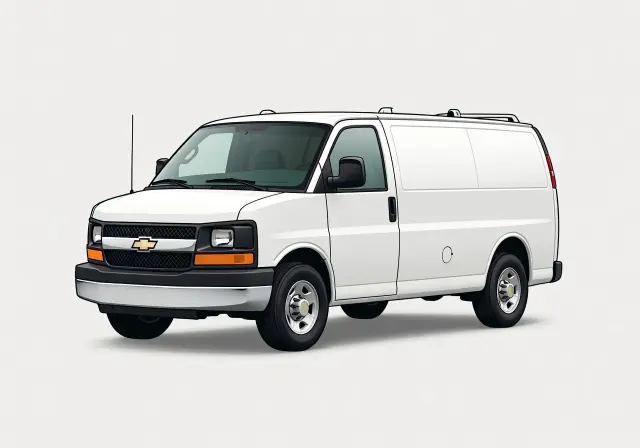 Chevrolet Express 8.70s
 - 7
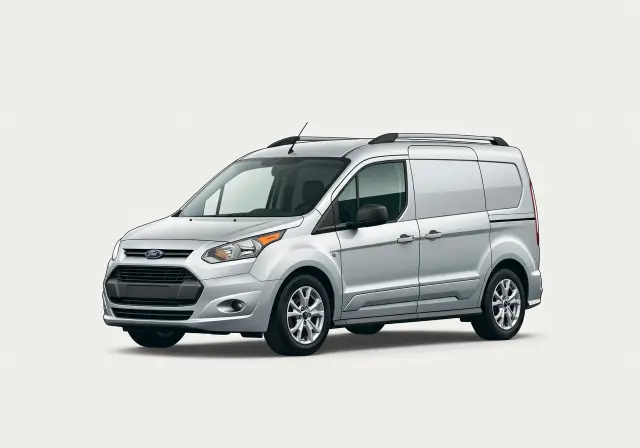 Ford Transit Connect 8.70s
 - 8
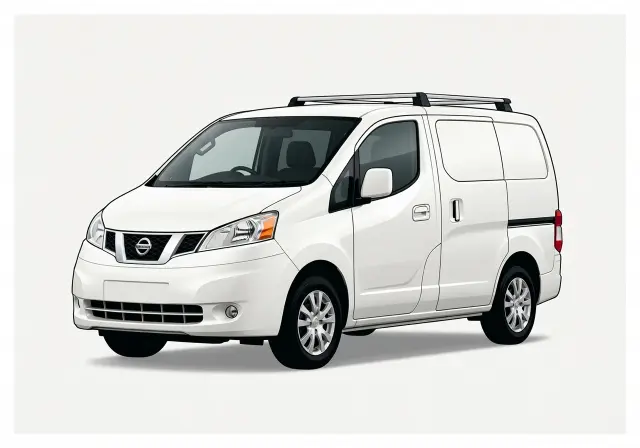 Nissan NV200 10.10s
 - 9
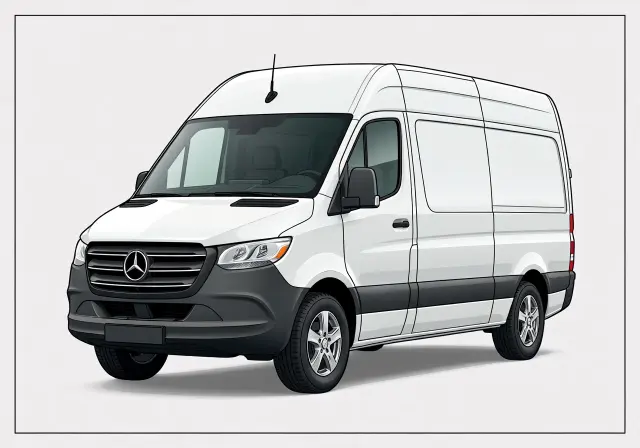 Mercedes-Benz Sprinter 10.40s
 - 10
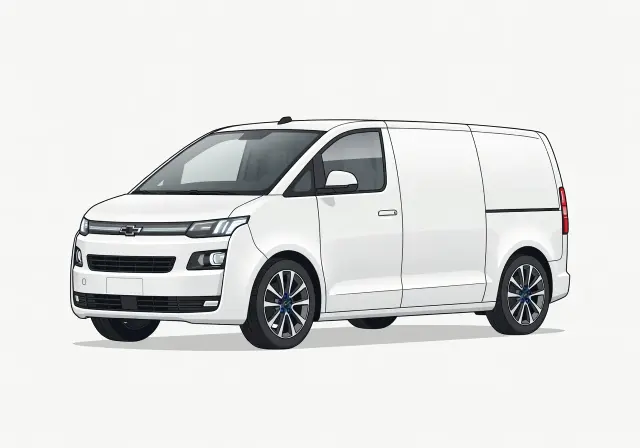 Chevrolet BrightDrop 10.70s
02 /
Methodology & Eligibility
- Production-only by default. The canonical ranking counts factory-production vehicles. Use the toggle to include modified / tuner builds.
- One entry per model. Each model is represented by its single fastest verified result — repeated publication tests are collapsed.
- Ranked by 0–60 mph. Lower is faster; ties are broken by the earliest recorded test.
- Verified tests only. Every result comes from an independently published road test in our database.
03 /
Full Rankings
vehicles shown
04 /
Category Statistics
5.30sFastest 0–60 mph
9.40sMedian
11.52sAverage
32.20sSlowest qualifying
14Qualifying vehicles
Median is preferred over average — it is less influenced by a handful of exceptionally quick outliers. Statistics reflect production results only.
05 /
Common Traits Among the Fastest Vans
This group is defined more by utility packaging than by one mechanical formula. All-wheel drive is the largest drivetrain share at 43 percent, while rear-wheel drive and front-wheel drive each account for 29 percent. Average output sits at 205 hp and 260 lb-ft, against an average weight of 4851 lb and a power-to-weight figure of 45.1 hp per 1000 lb, or 23.6 lb per hp.
The powertrain mix also shows how broad the field is. Naturally aspirated models make up 50 percent, turbocharged entries 29 percent, and only 14 percent are manuals. The roster is led numerically by Volkswagen, Mercedes-Benz, and Chevrolet, each with three entries.
29%Rear-wheel drive
43%All-wheel drive
29%Front-wheel drive
205 hpAvg horsepower
260 lb-ftAvg torque
4,851 lbAvg curb weight
45.1 hp/1,000 lbPower-to-weight
14%Manual gearbox
29%Turbocharged
2010Avg model year
06 /
Why Horsepower Isn't Everything
Raw output only explains part of why one van accelerates harder than another. This set averages 205 hp, yet the average vehicle also weighs 4851 lb, leaving a modest 45.1 hp per 1000 lb and 23.6 lb per hp. That is why lighter entries, or those with more favorable gearing, can outrun heavier models with similar headline power.
Tires and traction matter too, especially when the drivetrain mix includes 43 percent all-wheel drive alongside 29 percent rear-wheel drive and 29 percent front-wheel drive. In practice, a well-geared Ford Transit or a lighter package like the Nissan NV200 can perform better than horsepower alone would suggest.
Horsepower vs 0–60 mph
One dot per vehicle · 13 plotted One dot per vehicle · 13 plotted
10s 20s 30s 100 200 300 Horsepower → 0–60 mph (seconds) →
10s 20s 30s 100 200 300 Horsepower → 0–60 mph (seconds) →
Top 10 ranked All other vehicles
Each dot is one vehicle at its fastest verified run. Exact figures for every point are in the full rankings.
07 /
Brands With the Most Vans
08 /
Powertrain Breakdown
09 /
Vans by Decade
The decade medians trace a clear long-term improvement. The 1960s sit at 32.2 seconds, the 1980s at 16.5, and the 1990s at 16.2. By the 2000s, the median had dropped to 8.7, followed by 8.4 in the 2010s. Over time, quicker transmissions, broader torque delivery, and improved traction helped bring utility-focused vehicles much closer to modern passenger-car pace.
The 2020s median of 10.4 shows that progress is not perfectly linear. In a category shaped by payload, packaging, and commercial use, newer models do not always chase outright sprint times. That makes standout exceptions like the Volkswagen ID. Buzz especially notable within the broader mix.
10 /
Records & Superlatives
The category leaders show several paths to a quick launch. The fastest electric and all-wheel-drive model is the 2025 Volkswagen ID. Buzz at 5.3 seconds, while the quickest turbocharged and automatic entry is the 2020 Ford Transit at 6.7. Among naturally aspirated and rear-wheel-drive models, the 2017 Nissan NV leads at 7.5.
Front-wheel drive peaks with the 2014 Ram ProMaster at 8.1, the CVT benchmark is the 2013 Nissan NV200 at 10.1, and the manual leader is the 1994 Volkswagen EuroVan at 16.2. That spread shows how much layout, transmission, and powertrain type can separate otherwise similar utility vehicles.
12 /
Frequently Asked Questions
Which van is quickest from 0-60 mph?
The current leader is the 2025 Volkswagen ID. Buzz, and its best recorded run is 5.3 seconds. It is a 2025 model with 335 hp, which helps explain why it sits at the top of this ranking.
How many vans are in this ranking, and how wide is the performance gap?
There are 14 entries in this group. The field runs from the class-leading 5.3 seconds to 32.2 seconds, so the spread is large enough to cover both genuinely quick models and utility-first vans.
What is a typical 0-60 mph time for vans here?
A useful midpoint is the 9.4 seconds, while the overall average is 11.52 seconds. Together they show what most Vans are like in real terms, rather than focusing only on the single quickest example.
Why is the order based on 0-60 mph time instead of horsepower?
Because the ranking measures actual acceleration, it is sorted by 0–60 mph result, not output. Weight, gearing, traction, and drivetrain layout can all change how effectively a van turns its power into a quicker run.
What qualifies a vehicle to appear on this vans list?
Each entry must fit the Vans category and have a verified 0–60 mph figure. Once it qualifies, placement is determined strictly by recorded time, with the quickest result ranking ahead of slower ones.