
Rankings are based on independently published 0–60 mph tests currently included in the 0–60 Specs database. Vehicles without a qualifying published test in our database are not included.
Fastest Coupes From 0–60 MPH
Median 0–60 mph 5.20sec Average 5.94s
Qualifying Vehicles 349 1952–2026 model years
Verified Tests 2,696 Tests in this category
01 /
Top 10 Fastest by 0–60 mph
- 1
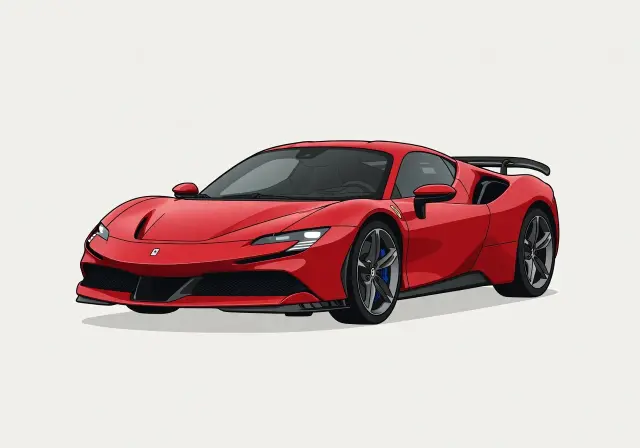 Ferrari SF90 Stradale 2.00s
 - 2
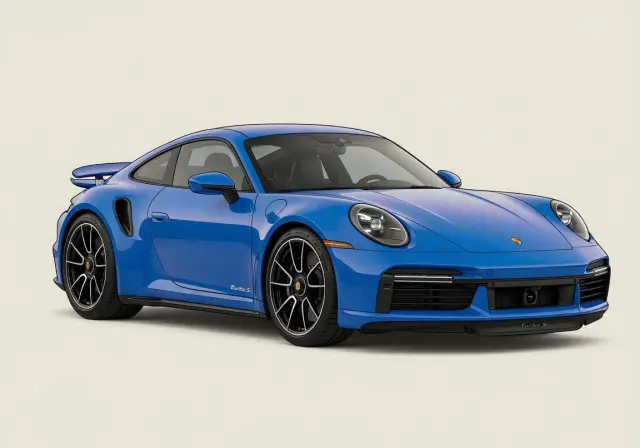 Porsche 911 2.00s
 - 3
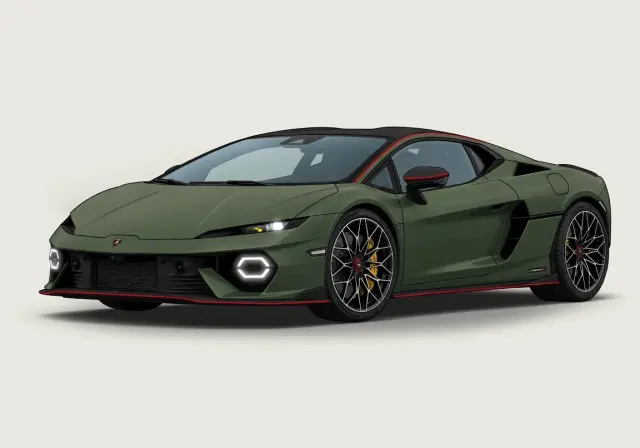 Lamborghini Temerario 2.10s
 - 4
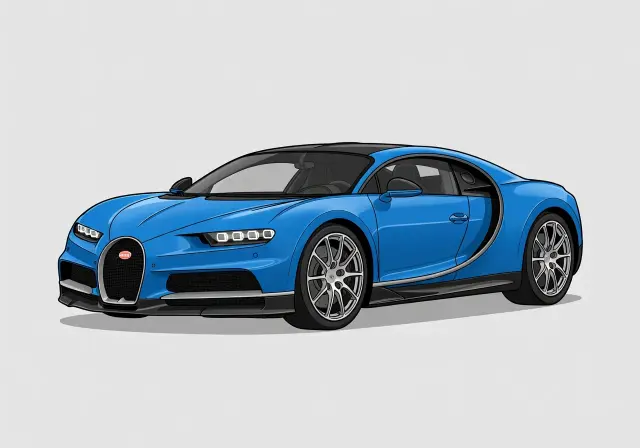 Bugatti Chiron 2.20s
 - 5
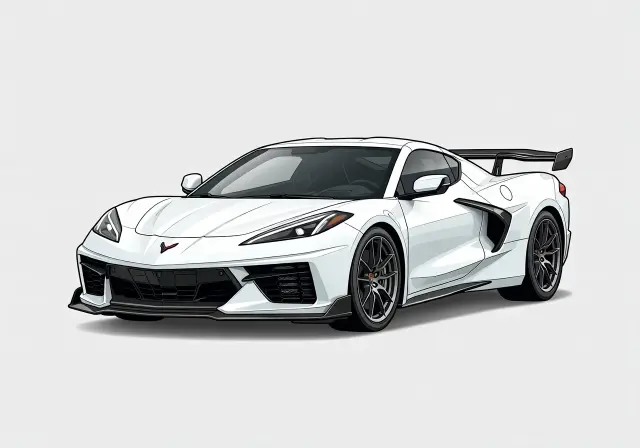 Chevrolet Corvette 2.20s
 - 6
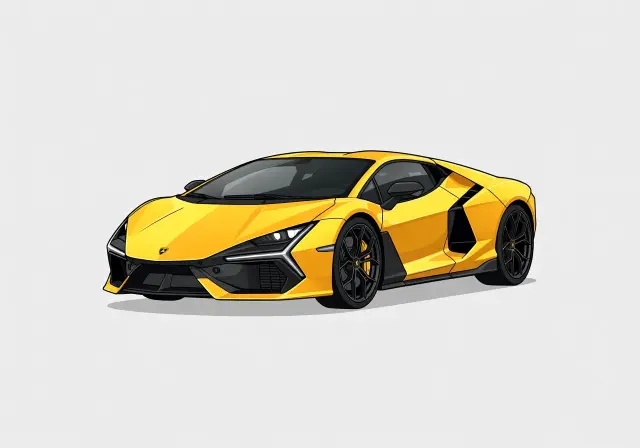 Lamborghini Revuelto 2.20s
 - 7
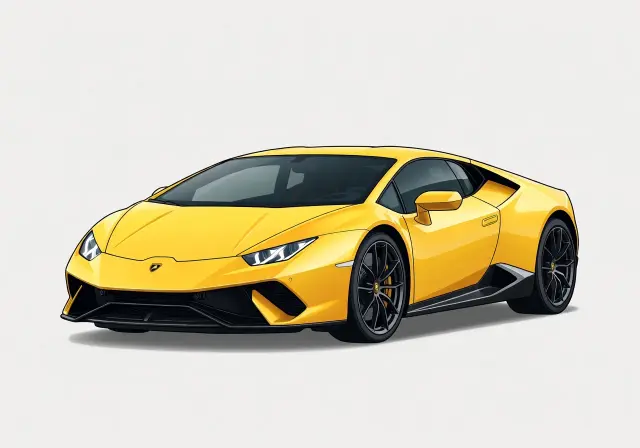 Lamborghini Huracán 2.30s
 - 8
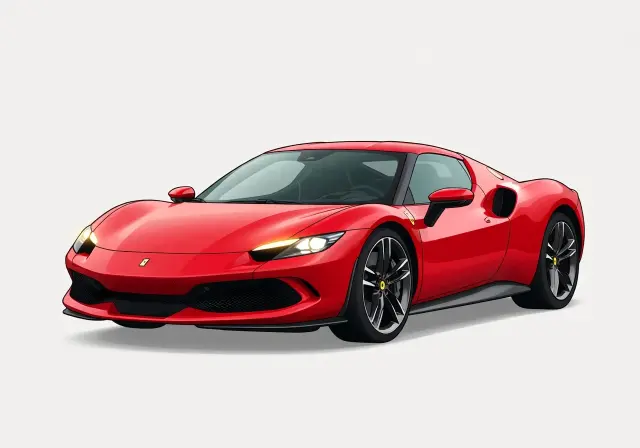 Ferrari 296 GTB 2.30s
 - 9
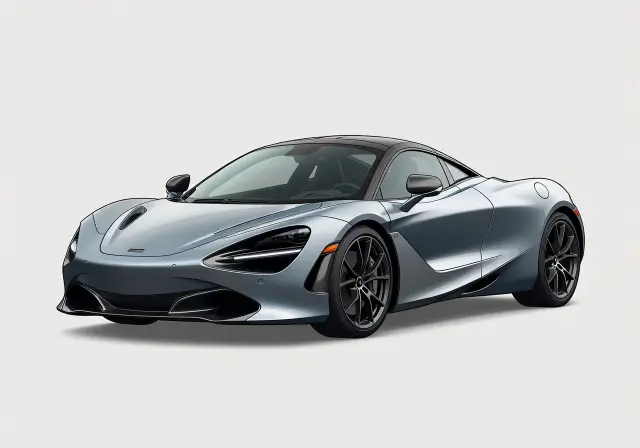 McLaren 750S 2.30s
 - 10
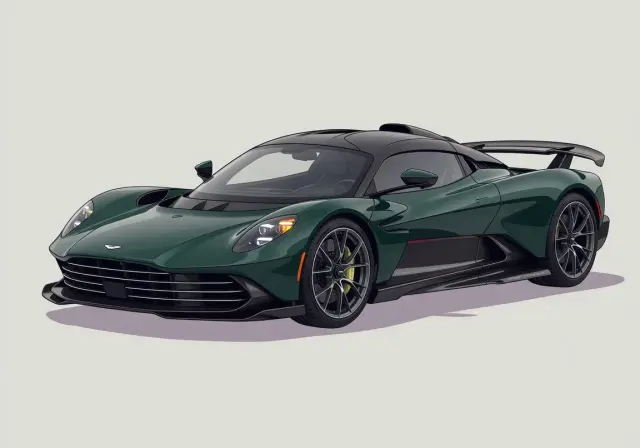 Aston Martin Valhalla 2.30s
02 /
Methodology & Eligibility
- Production-only by default. The canonical ranking counts factory-production vehicles. Use the toggle to include modified / tuner builds.
- One entry per model. Each model is represented by its single fastest verified result — repeated publication tests are collapsed.
- Ranked by 0–60 mph. Lower is faster; ties are broken by the earliest recorded test.
- Verified tests only. Every result comes from an independently published road test in our database.
03 /
Full Rankings
vehicles shown
04 /
Category Statistics
2.00sFastest 0–60 mph
5.20sMedian
5.94sAverage
21.70sSlowest qualifying
349Qualifying vehicles
Median is preferred over average — it is less influenced by a handful of exceptionally quick outliers. Statistics reflect production results only.
05 /
Common Traits Among the Fastest Coupes
This group is led by rear-wheel drive, which accounts for 66 percent of entries, versus 18 percent all-wheel drive and 16 percent front-wheel drive. The average coupe here makes 360 hp and 333 lb-ft, with an average weight of 3335 lb and a median weight of 3370 lb. On average, that works out to 103.6 hp per 1000 lb, or 9.3 lb per hp.
Naturally aspirated models make up 57 percent of the field, while turbocharged cars account for 30 percent. Manuals remain a major part of the category at 51 percent, even as newer benchmark cars from Ferrari, Lamborghini, and Porsche increasingly rely on automated drivetrains.
66%Rear-wheel drive
18%All-wheel drive
16%Front-wheel drive
362 hpAvg horsepower
335 lb-ftAvg torque
3,338 lbAvg curb weight
104.1 hp/1,000 lbPower-to-weight
51%Manual gearbox
30%Turbocharged
1999Avg model year
06 /
Why Horsepower Isn't Everything
Raw output alone does not settle a 0-60 mph result. This set averages 360 hp, yet the more useful summary is its 103.6 hp per 1000 lb, because mass shapes how effectively that power moves the car. A lighter coupe, or one with shorter gearing, can outrun a heavier rival that shows a bigger horsepower figure on paper.
Tires, launch traction, and drivetrain layout matter just as much. All-wheel-drive leaders such as the Ferrari SF90 Stradale put power down differently than rear-drive cars like the Chevrolet Corvette. That is why some lightweight or especially well-geared coupes punch above their power, while others cannot fully use it off the line.
Horsepower vs 0–60 mph
One dot per vehicle · 347 plotted 320 of 347 vehicles, evenly sampled
0s 5s 10s 15s 20s 0 500 1,000 1,500 Horsepower → 0–60 mph (seconds) →
0s 5s 10s 15s 20s 0 500 1,000 1,500 Horsepower → 0–60 mph (seconds) →
Top 10 ranked All other vehicles
Each dot is one vehicle at its fastest verified run. Exact figures for every point are in the full rankings.
07 /
Brands With the Most Coupes
08 /
Powertrain Breakdown
09 /
Coupes by Decade
Over time, this class has become much quicker on median. The 1950s sit at 7.8 seconds, the 1960s at 7.5, and the 1970s slow to 9.6. From there the trend turns sharply: 7.9 in the 1980s, 6.4 in the 1990s, and 4.8 in the 2000s.
The gains continue in newer decades, with a 4.0-second median in the 2010s and 3.2 in the 2020s. That progression shows how power, traction, transmissions, and tire technology have collectively lowered typical 0-60 mph times, not just the headline figures posted by top-end models such as the Porsche 911 and McLaren 750S.
10 /
Records & Superlatives
The record holders show how many routes can produce quick launches. The fastest naturally aspirated coupe is the 2018 Lamborghini Huracan at 2.3 seconds, while the turbocharged mark belongs to the 2022 Bugatti Chiron at 2.2. Electric and supercharged records both sit at 2.8 with the 2025 Ford Mustang, and the hybrid and AWD benchmarks are both the 2021 Ferrari SF90 Stradale at 2.0.
By drivetrain and transmission, the spread is revealing. Rear-wheel drive reaches 2.2 with the 2025 Chevrolet Corvette, but front-wheel drive only gets to 5.4 with the 2013 Honda Accord. Among gearboxes, the quickest manual is the 2006 Mosler MT900 at 3.1, while the automatic benchmark is again the SF90 Stradale at 2.0; dual-clutch stands at 2.5 with the 2011 Bugatti Veyron 16.4, and CVT at 5.8 with the 2008 Nissan Altima.
12 /
Frequently Asked Questions
Which coupe is quickest to 60 mph right now?
The current leader is 2021 Ferrari SF90 Stradale, and its best recorded 0–60 mph run is 2 seconds. On this page, the ranking is ordered by quickest verified time first, so the top position reflects the shortest sprint to 60 mph among qualifying coupes.
How big is the coupe field, and how wide is the performance spread?
This ranking includes 349 Coupes. The quickest entry reaches 60 mph in 2 seconds, while the slowest qualifying result is 21.7 seconds. That range shows how this body style spans everything from dedicated performance machines to much milder road cars.
What is a typical 0-60 mph time for coupes on this list?
The median result is 5.2 seconds, which is the clearest picture of typical performance because it sits in the middle of the full ranking. The average is 5.94 seconds, and comparing those two figures helps show whether a few very quick outliers are pulling the mean down.
Why can a lower-horsepower coupe rank ahead of a more powerful one?
Because this page is sorted by actual 0–60 mph time, not output alone. Weight, gearing, tire grip, launch tuning, and drivetrain traction all affect the result. A car with less power can still place higher if it puts that power to the ground more effectively.
What qualifies a vehicle for this coupe ranking?
A vehicle must fit the Coupes category and have a recorded 0–60 mph result to appear here. Once included, it is ranked strictly by time, so trim, model year, and powertrain only matter insofar as they change the measured sprint to 60 mph.