
Rankings are based on independently published 0–60 mph tests currently included in the 0–60 Specs database. Vehicles without a qualifying published test in our database are not included.
Fastest Crossovers From 0–60 MPH
Median 0–60 mph 5.90sec Average 5.85s
Qualifying Vehicles 179 2003–2027 model years
Verified Tests 1,853 Tests in this category
01 /
Top 10 Fastest by 0–60 mph
- 1
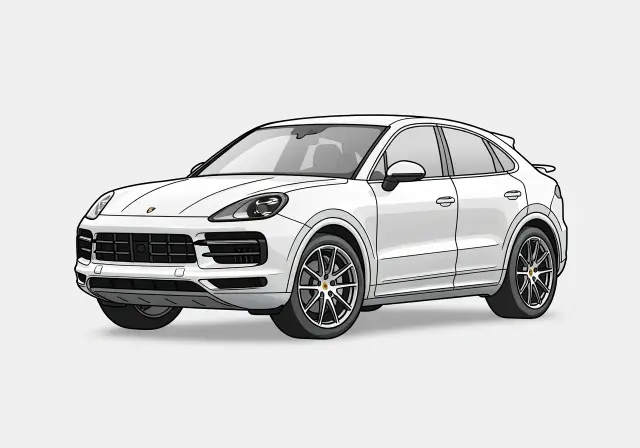 Porsche Cayenne 2.80s
 - 2
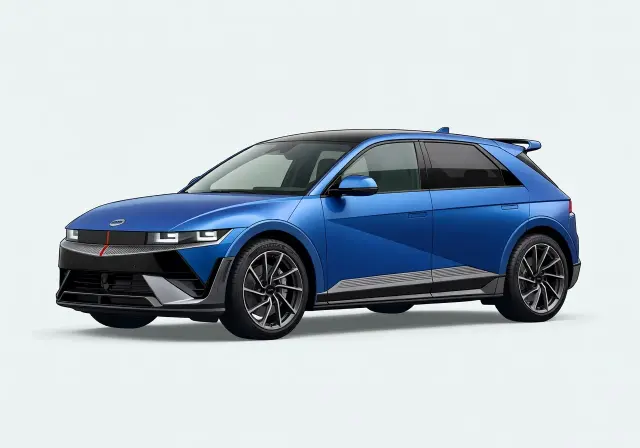 Hyundai Ioniq 5 2.80s
 - 3
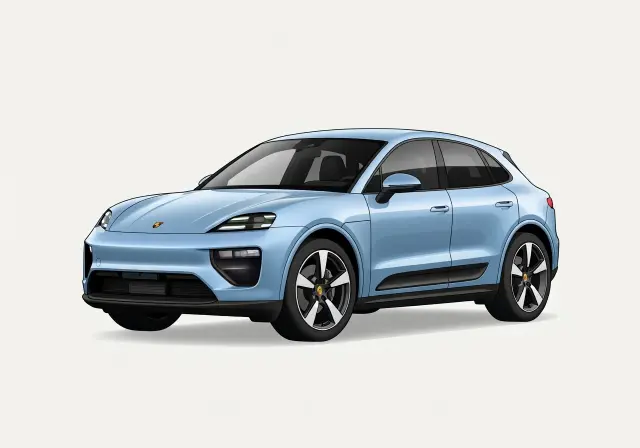 Porsche Macan 2.80s
 - 4
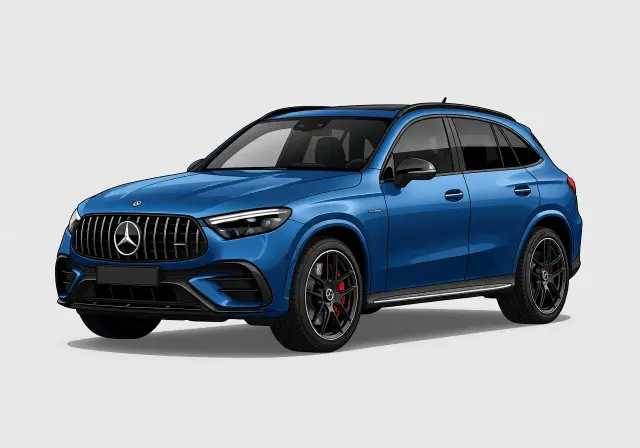 Mercedes-AMG GLC-Class 3.10s
 - 5
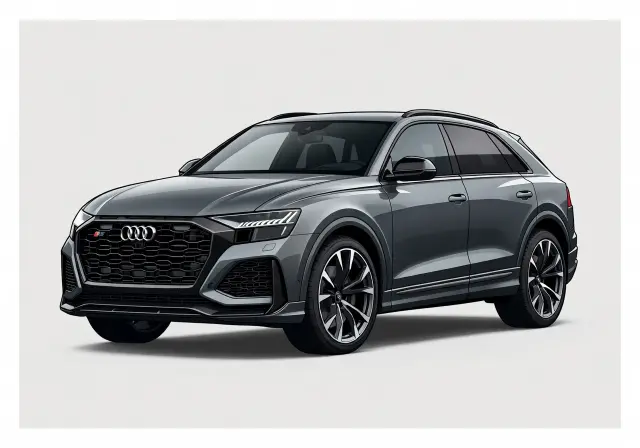 Audi RS Q8 3.10s
 - 6
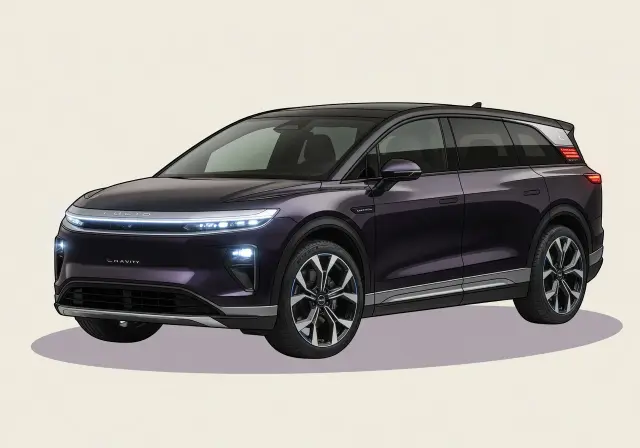 Lucid Gravity 3.10s
 - 7
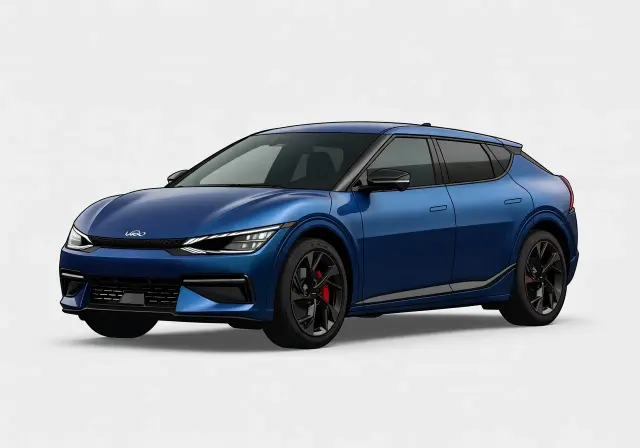 Kia EV6 3.10s
 - 8
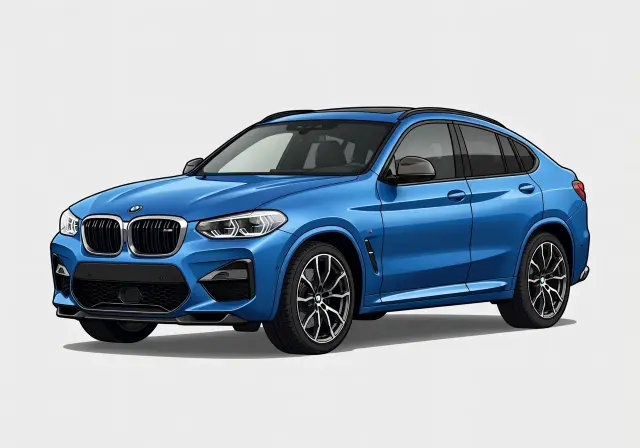 BMW X4 3.20s
 - 9
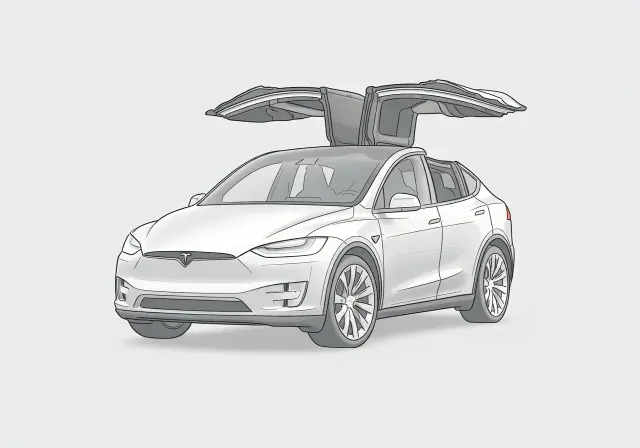 Tesla Model X 3.20s
 - 10
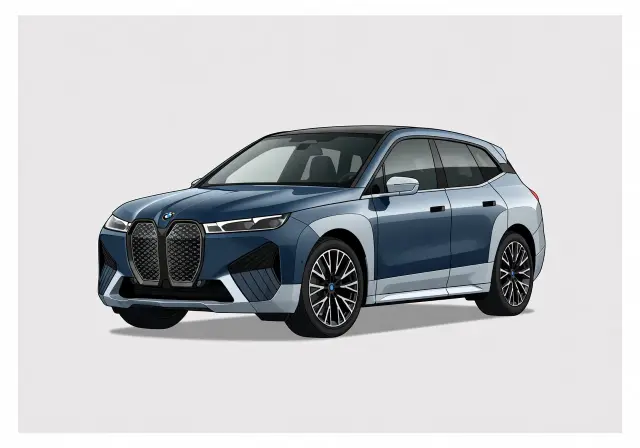 BMW iX 3.20s
02 /
Methodology & Eligibility
- Production-only by default. The canonical ranking counts factory-production vehicles. Use the toggle to include modified / tuner builds.
- One entry per model. Each model is represented by its single fastest verified result — repeated publication tests are collapsed.
- Ranked by 0–60 mph. Lower is faster; ties are broken by the earliest recorded test.
- Verified tests only. Every result comes from an independently published road test in our database.
03 /
Full Rankings
vehicles shown
04 /
Category Statistics
2.80sFastest 0–60 mph
5.90sMedian
5.85sAverage
9.80sSlowest qualifying
179Qualifying vehicles
Median is preferred over average — it is less influenced by a handful of exceptionally quick outliers. Statistics reflect production results only.
05 /
Common Traits Among the Fastest Crossovers
This group is defined by all-wheel drive. AWD accounts for 152 entries and 85%, while FWD covers 22 and 12%, and RWD just 4 and 2%. Average output is 319 hp and 339 lb-ft, paired with an average weight of 4281 lb and a median weight of 4329 lb. That leaves the category at 72.5 hp per 1000 lb, or 13.4 lb per hp.
Forced induction is common but not universal: 38% are turbocharged, 22% are naturally aspirated, and manuals are rare at 4%. The field also skews recent, with an average model year of 2020 spanning 2003 to 2027. Among brands, Audi, Lexus, and Hyundai are frequent names in the ranking.
2%Rear-wheel drive
86%All-wheel drive
12%Front-wheel drive
320 hpAvg horsepower
339 lb-ftAvg torque
4,284 lbAvg curb weight
72.8 hp/1,000 lbPower-to-weight
4%Manual gearbox
38%Turbocharged
2020Avg model year
06 /
Why Horsepower Isn't Everything
Horsepower alone does not decide a 0-60 mph result. This set averages 319 hp, yet acceleration also depends on moving 4281 lb on average, plus how effectively gearing keeps the engine or motors in the useful part of the powerband. The category's 72.5 hp per 1000 lb and 13.4 lb per hp figures show why output has to be viewed alongside mass.
Tires and traction matter just as much, especially in a group where AWD makes up 85%. A well-launched AWD model, or one with shorter gearing and strong low-speed delivery, can outrun a heavier rival with more rated power. That is why some lighter or better-geared entries punch above their horsepower number.
Horsepower vs 0–60 mph
One dot per vehicle · 177 plotted One dot per vehicle · 177 plotted
2s 4s 6s 8s 10s 200 400 600 800 Horsepower → 0–60 mph (seconds) →
2s 4s 6s 8s 10s 200 400 600 800 Horsepower → 0–60 mph (seconds) →
Top 10 ranked All other vehicles
Each dot is one vehicle at its fastest verified run. Exact figures for every point are in the full rankings.
07 /
Brands With the Most Crossovers
08 /
Powertrain Breakdown
09 /
Crossovers by Decade
Median 0-60 mph times have improved steadily across the decades represented here. The 2000s sit at 7.3, the 2010s drop to 6.5, and the 2020s fall again to 5.5. That progression points to a broad category shift rather than a few isolated outliers at the top.
The sample also becomes much larger over time, growing from 16 entries in the 2000s to 45 in the 2010s and 117 in the 2020s. With the average model year landing at 2020, this ranking is heavily shaped by newer crossovers that combine stronger drivetrains, more traction, and quicker launch capability than earlier generations.
10 /
Records & Superlatives
The record table shows how different routes lead to quick launches. The fastest turbocharged and AWD crossover is the 2022 Porsche Cayenne at 2.8, matched by the fastest electric, the 2025 Hyundai Ioniq 5, also at 2.8. At the other end of the record set, the fastest naturally aspirated crossover is the 2009 Infiniti FX at 5.
The drivetrain and transmission records underline the same pattern. Rear-wheel drive and manual both top out at 5.3, front-wheel drive reaches 4.8, and the quickest CVT entry posts 5.5. The spread from 2.8 to 5.5 suggests launch traction, transmission type, and power delivery shape the outcome as much as peak output or vehicle format.
12 /
Frequently Asked Questions
What is the quickest crossover here from 0-60 mph?
The current leader is 2022 Porsche Cayenne, and its quickest listed run is 2.8 seconds. On this page, entries are ordered by 0-60 mph time, so the fastest result rises to the top when multiple trims and powertrains are compared.
How many crossovers are included, and how wide is the performance range?
This ranking includes 179 Crossovers. The field runs from the quickest result of 2.8 seconds to the slowest qualifying time of 9.8 seconds, which gives a useful picture of both standout performers and more typical entries in the class.
What is a typical 0-60 mph time for crossovers in this ranking?
A good midpoint is the median of 5.9 seconds, while the average is 5.85 seconds. Looking at both helps: the median shows what sits near the center of the list, and the average reflects the overall spread of quicker and slower models.
Why can one crossover rank ahead of another with more power?
Because this page ranks by 0–60 mph, not by output. A crossover with less power can still place higher if it launches better, carries less weight, uses shorter gearing, or puts power down more effectively through its drivetrain and tires.
What qualifies a vehicle for this crossover list?
It needs to be a crossover with a published 0–60 mph result in the catalog. Once included, it is sorted against the rest of the field by that acceleration measure, regardless of whether it is gasoline, electric, hybrid, FWD, RWD, or AWD.