
Rankings are based on independently published 0–60 mph tests currently included in the 0–60 Specs database. Vehicles without a qualifying published test in our database are not included.
Fastest Pickup Trucks: Top 0-60 Times
Median 0–60 mph 7.10sec Average 7.54s
Qualifying Vehicles 51 1959–2026 model years
Verified Tests 691 Tests in this category
01 /
Top 10 Fastest by 0–60 mph
- 1
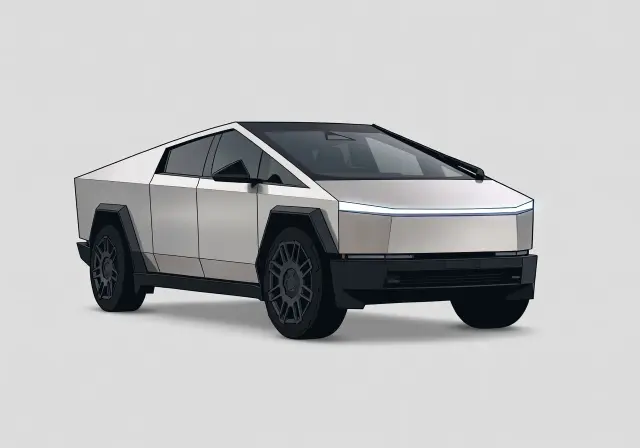 Tesla Cybertruck 2.50s
 - 2
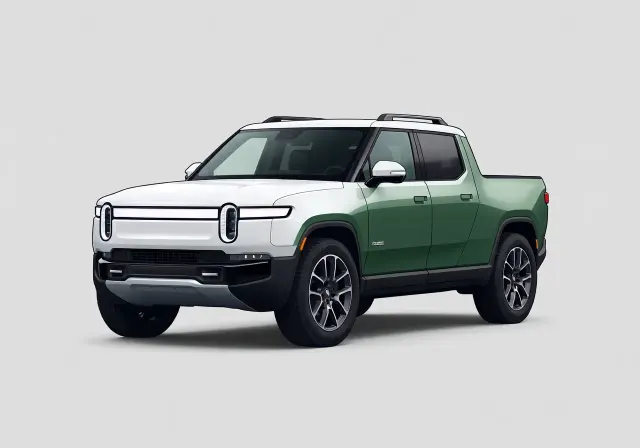 Rivian R1T 2.50s
 - 3
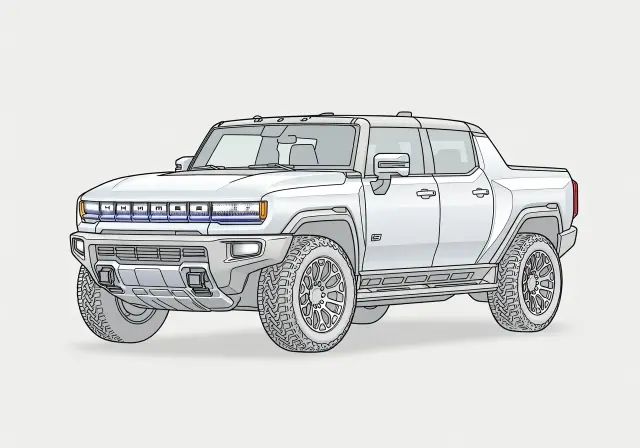 GMC Hummer EV 3.00s
 - 4
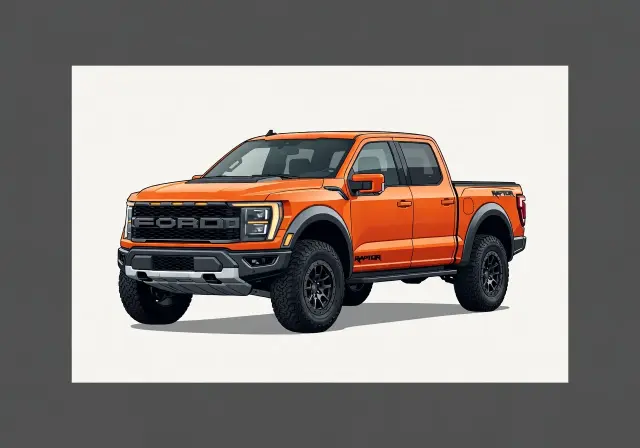 Ford F-150 3.60s
 - 5
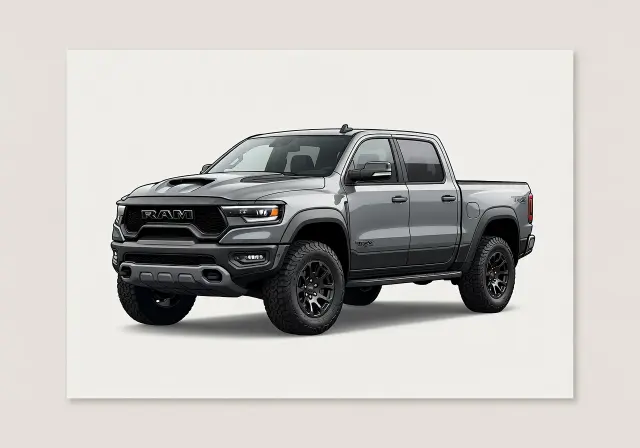 Ram 1500 3.70s
 - 6
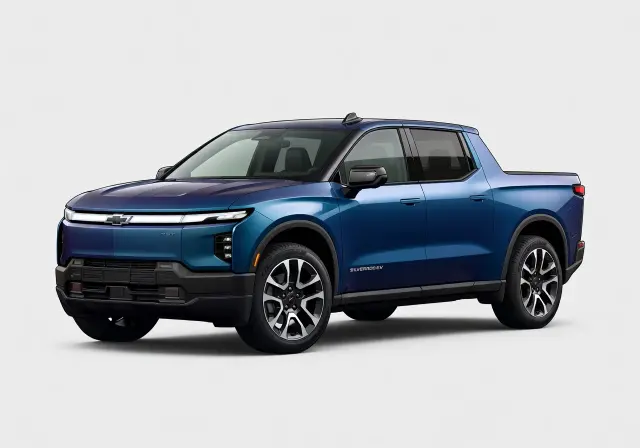 Chevrolet Silverado EV 4.00s
 - 7
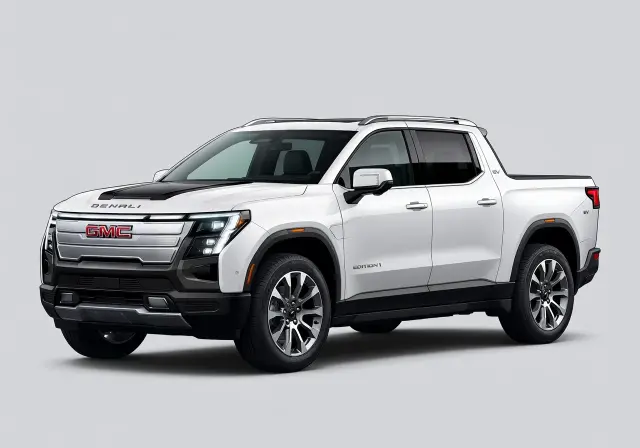 GMC Sierra EV 4.10s
 - 8
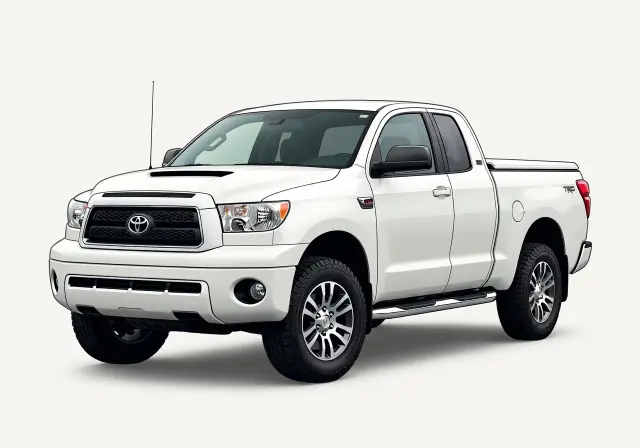 Toyota Tundra 4.40s
 - 9
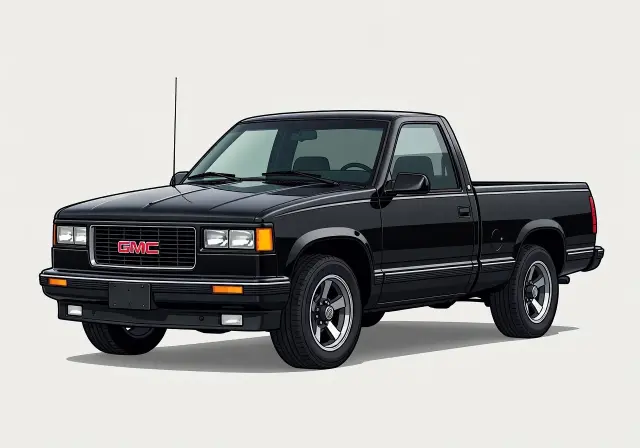 GMC Syclone 4.90s
 - 10
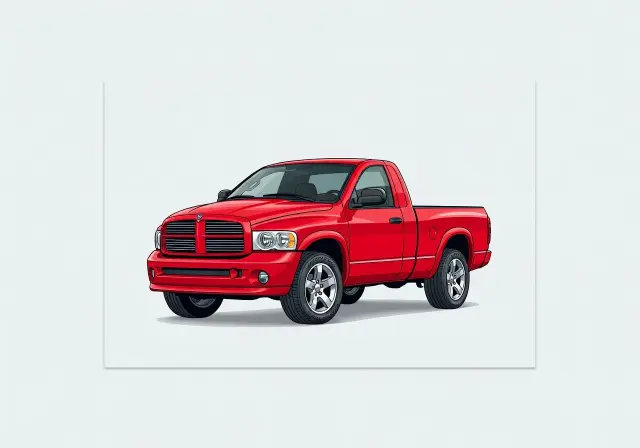 Dodge Ram 1500 4.90s
02 /
Methodology & Eligibility
- Production-only by default. The canonical ranking counts factory-production vehicles. Use the toggle to include modified / tuner builds.
- One entry per model. Each model is represented by its single fastest verified result — repeated publication tests are collapsed.
- Ranked by 0–60 mph. Lower is faster; ties are broken by the earliest recorded test.
- Verified tests only. Every result comes from an independently published road test in our database.
03 /
Full Rankings
vehicles shown
04 /
Category Statistics
2.50sFastest 0–60 mph
7.10sMedian
7.54sAverage
17.60sSlowest qualifying
51Qualifying vehicles
Median is preferred over average — it is less influenced by a handful of exceptionally quick outliers. Statistics reflect production results only.
05 /
Common Traits Among the Fastest Pickup Trucks
Across these Pickup Trucks, all-wheel drive is the dominant layout at 76 percent, while rear-wheel drive accounts for 24 percent and front-wheel drive is absent. The group averages 378 hp and 468 torque, with an average weight of 5464 lb and a median weight of 5300 lb. Average power-to-weight lands at 65.8 hp per 1000 lb, or 14.5 lb per hp.
Natural aspiration is still the largest share at 53 percent, turbocharged models make up 29 percent, and manuals represent 18 percent of the field. The powertrain mix also stays mostly combustion-led, with gasoline at 75 percent, diesel at 16 percent, and electric at 10 percent.
24%Rear-wheel drive
76%All-wheel drive
0%Front-wheel drive
378 hpAvg horsepower
468 lb-ftAvg torque
5,465 lbAvg curb weight
65.8 hp/1,000 lbPower-to-weight
18%Manual gearbox
29%Turbocharged
2009Avg model year
06 /
Why Horsepower Isn't Everything
Raw output alone does not settle 0-60 results in this group. Even with an average of 378 hp, these trucks also carry an average weight of 5464 lb, so the more useful context is the class average of 65.8 hp per 1000 lb, or 14.5 lb per hp. That is why two vehicles with similar horsepower can produce very different launch times.
Gearing, tire grip, and drivetrain traction matter just as much, especially in a field where 76 percent use all-wheel drive. Shorter gearing and stronger traction can help a lighter or better-matched truck outperform a heavier rival with more power on paper.
Horsepower vs 0–60 mph
One dot per vehicle · 51 plotted One dot per vehicle · 51 plotted
5s 10s 15s 20s 0 200 400 600 800 1,000 Horsepower → 0–60 mph (seconds) →
5s 10s 15s 20s 0 200 400 600 800 1,000 Horsepower → 0–60 mph (seconds) →
Top 10 ranked All other vehicles
Each dot is one vehicle at its fastest verified run. Exact figures for every point are in the full rankings.
07 /
Brands With the Most Pickup Trucks
08 /
Powertrain Breakdown
09 /
Pickup Trucks by Decade
The decade medians show a long improvement trend, though not in a straight line. The 1950s sit at 8.7, the 1970s slip to 13.7, and the 1980s recover to 12.2. By the 1990s the median is down to 9, then 7.9 in the 2000s and 7.2 in the 2010s.
The biggest step appears in the 2020s, where the median falls to 5.5 across 19 entries, the largest decade sample here. That progression suggests modern trucks are gaining speed through broader use of all-wheel drive, stronger calibration, and the arrival of quick electric models rather than output alone.
10 /
Records & Superlatives
The record holders show how different routes can lead to quick launches. The fastest naturally aspirated and manual entry is the Dodge Ram 1500 at 4.9, while the turbocharged mark belongs to the GMC Syclone, also at 4.9. The fastest rear-wheel-drive truck is the Toyota Tundra at 4.4.
At the top, electric all-wheel-drive trucks set the pace. The Tesla Cybertruck leads the electric and all-wheel-drive categories at 2.5, and the automatic benchmark is the Ford F-150 at 3.6. The spread from 4.9 to 2.5 shows how much launch traction and newer powertrains have changed the ceiling.
12 /
Frequently Asked Questions
Which pickup truck is quickest to 0-60 mph here?
The quickest entry is 2024 Tesla Cybertruck, and its best published 0–60 mph time is 2.5 seconds. It is a 2024 model, and its listed output is 845 hp, which shows how high the current benchmark sits in this group.
How many pickup trucks are included, and how wide is the performance range?
This ranking includes 51 Pickup Trucks. The span runs from the leader at 2.5 seconds to the slowest qualifying result at 17.6 seconds, which gives a clear sense of how broad pickup-truck acceleration performance is within one category.
What is a typical 0-60 mph time for these trucks?
A typical result is best understood by looking at the middle and the mean. The median for these Pickup Trucks is 7.1 seconds, while the average is 7.54 seconds. Together, those figures show where most trucks in this ranking tend to land.
Why are some pickups with less power ranked ahead of stronger ones?
Because the list is ordered by 0–60 mph, not by horsepower. Launch traction, drivetrain layout, gearing, and weight all affect the final number, so a truck with less output can rank ahead if it puts power down more effectively.
What qualifies a truck for this ranking?
A vehicle needs a published 0–60 mph result and it has to fit the Pickup Trucks category. Once it qualifies, position is based on quickest time first, so the ranking reflects measured acceleration rather than model year, engine type, or price.