
Rankings are based on independently published 0–60 mph tests currently included in the 0–60 Specs database. Vehicles without a qualifying published test in our database are not included.
Fastest Hatchbacks: Top 0-60 Times
Median 0–60 mph 5.70sec Average 6.15s
Qualifying Vehicles 1,134 1949–2027 model years
Verified Tests 12,767 Tests in this category
01 /
Top 10 Fastest by 0–60 mph
- 1
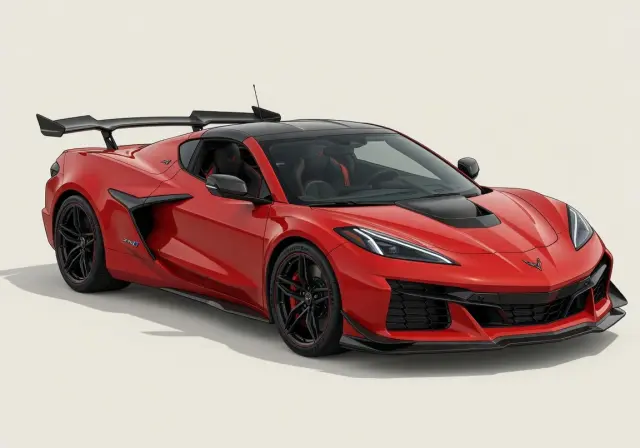 Chevrolet Corvette 1.80s
 - 2
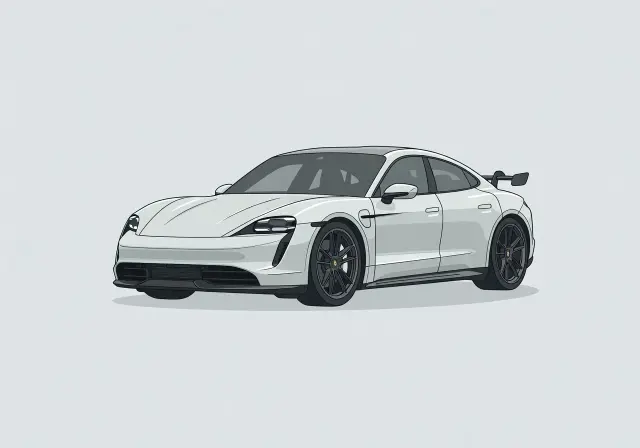 Porsche Taycan 1.89s
 - 3
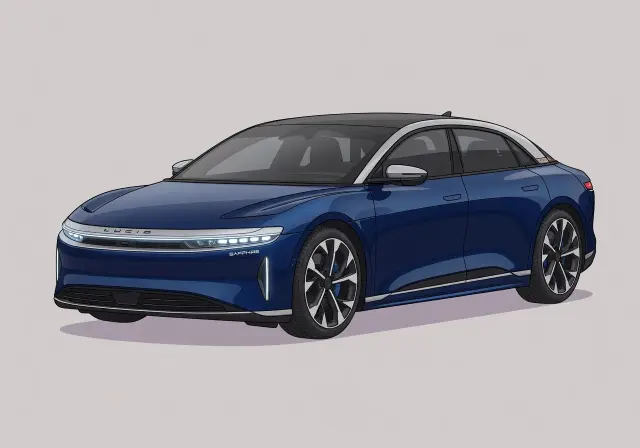 Lucid Air 1.90s
 - 4
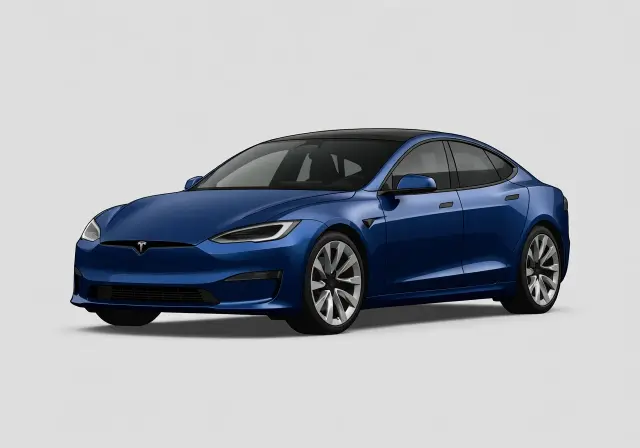 Tesla Model S 1.98s
 - 5
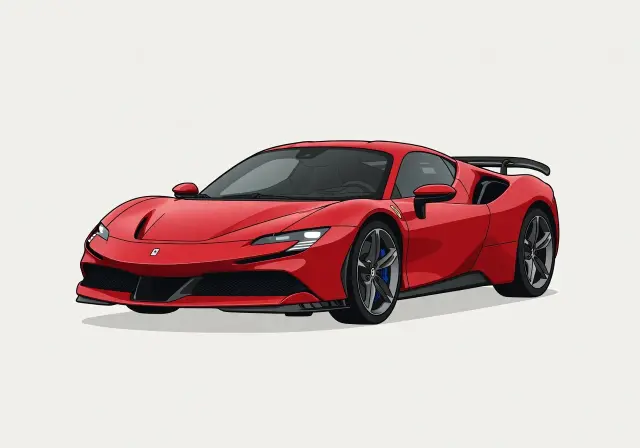 Ferrari SF90 Stradale 2.00s
 - 6
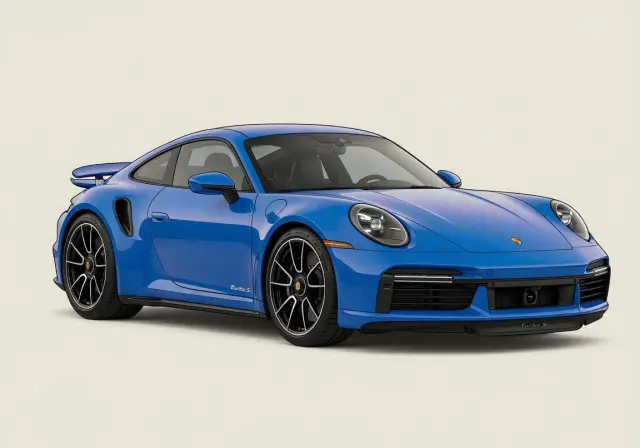 Porsche 911 2.00s
 - 7
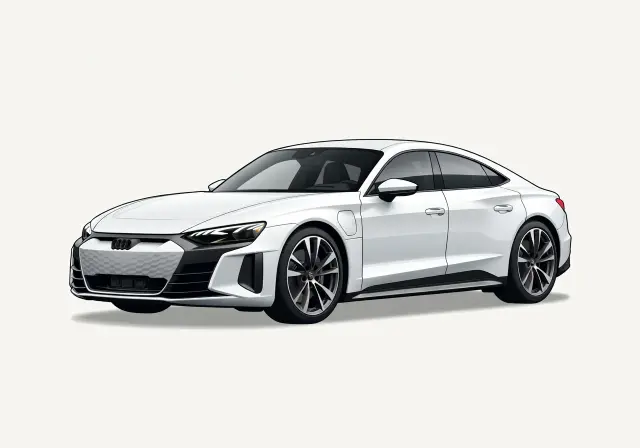 Audi RS e-tron GT 2.10s
 - 8
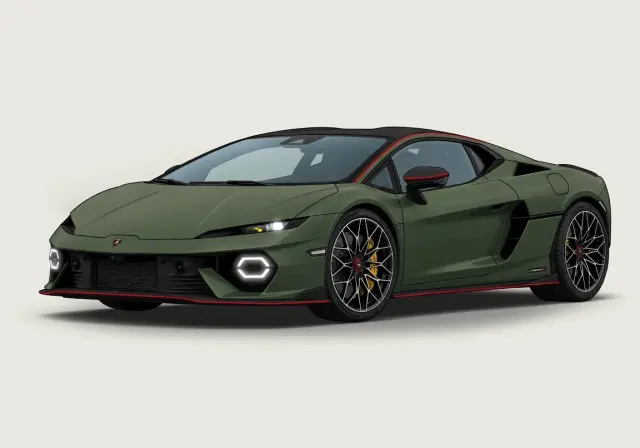 Lamborghini Temerario 2.10s
 - 9
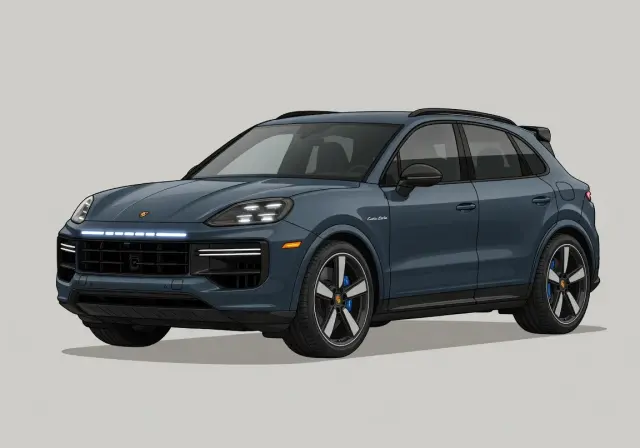 Porsche Cayenne 2.10s
 - 10
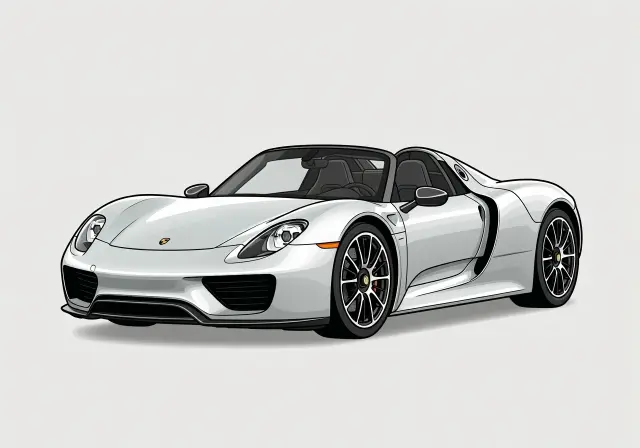 Porsche 918 Spyder 2.20s
02 /
Methodology & Eligibility
- Production-only by default. The canonical ranking counts factory-production vehicles. Use the toggle to include modified / tuner builds.
- One entry per model. Each model is represented by its single fastest verified result — repeated publication tests are collapsed.
- Ranked by 0–60 mph. Lower is faster; ties are broken by the earliest recorded test.
- Verified tests only. Every result comes from an independently published road test in our database.
03 /
Full Rankings
vehicles shown
04 /
Category Statistics
1.80sFastest 0–60 mph
5.70sMedian
6.15sAverage
25.90sSlowest qualifying
1134Qualifying vehicles
Median is preferred over average — it is less influenced by a handful of exceptionally quick outliers. Statistics reflect production results only.
05 /
Common Traits Among the Fastest Hatchbacks
This group spans 1130 vehicles from 1949 to 2027, with all-wheel drive the largest share at 44 percent, followed by rear-wheel drive at 37 percent and front-wheel drive at 19 percent. Average output is 342 hp and 349 lb-ft, while average weight is 3942 lb and median weight is 3840 lb.
On average, these hatchbacks carry 85.6 hp per 1000 lb, or 11.5 lb per hp. Naturally aspirated models make up 45 percent and turbocharged ones 32 percent, showing a mixed induction profile rather than a single dominant formula. Manuals account for 27 percent of the field.
37%Rear-wheel drive
44%All-wheel drive
19%Front-wheel drive
344 hpAvg horsepower
350 lb-ftAvg torque
3,949 lbAvg curb weight
85.8 hp/1,000 lbPower-to-weight
27%Manual gearbox
32%Turbocharged
2008Avg model year
06 /
Why Horsepower Isn't Everything
Raw output alone does not settle a 0-60 mph result. This set averages 342 hp, yet acceleration depends just as much on how much mass that power moves, reflected here by 85.6 hp per 1000 lb and 11.5 lb per hp. A lighter car or one with shorter gearing can outrun a heavier, more powerful rival.
Tire grip and drivetrain also matter because getting power into the pavement is often the limit off the line. With 44 percent AWD, 37 percent RWD, and 19 percent FWD, this ranking shows how traction shapes launches. Well-geared or lighter models often punch above their horsepower figure when the setup works efficiently.
Horsepower vs 0–60 mph
One dot per vehicle · 1,127 plotted 320 of 1,127 vehicles, evenly sampled
0s 5s 10s 15s 20s 25s 0 500 1,000 1,500 Horsepower → 0–60 mph (seconds) →
0s 5s 10s 15s 20s 25s 0 500 1,000 1,500 Horsepower → 0–60 mph (seconds) →
Top 10 ranked All other vehicles
Each dot is one vehicle at its fastest verified run. Exact figures for every point are in the full rankings.
07 /
Brands With the Most Hatchbacks
08 /
Powertrain Breakdown
09 /
Hatchbacks by Decade
The decade medians show a long downward trend in 0-60 mph times. The 1940s median sits at 10 seconds and the 1950s at 10.2, then the 1960s improve to 8.5. The 1970s slip back to 9.7 before the 1980s return to 8.5, highlighting that progress was not perfectly linear in early decades.
From the 1990s onward, the gains become steady: 7.1 in the 1990s, 6.1 in the 2000s, 5.2 in the 2010s, and 4.3 in the 2020s. That pattern points to broad improvements in power delivery, gearing, tires, and traction across the modern era.
10 /
Records & Superlatives
The record holders show how different hardware paths reach similar outcomes. The fastest naturally aspirated entry is the Lamborghini Huracan at 2.3 seconds, while the turbocharged mark belongs to the Bugatti Chiron at 2.2. The electric benchmark is the Porsche Taycan at 1.89.
By layout and transmission, the spread widens. AWD leads with the Chevrolet Corvette at 1.8, RWD reaches 2.3 with the Ferrari 296 GTB, and FWD trails at 4.7 with the Hyundai Elantra. Manuals bottom out at 2.9 in the Ariel Atom, while automatics and EVs push lower, showing the launch advantage of traction and rapid torque delivery.
12 /
Frequently Asked Questions
Which hatchback is quickest to 60 mph here?
The quickest entry is the 2026 Chevrolet Corvette, and its listed run is 1.8 seconds. It is shown with the ZR1X Targa Coupe (3LZ, Carbon Fiber Aero, ZTK Track Performance Pack) trim, 1,250 hp output, and 2026 model year where that information applies on the site.
How many hatchbacks are included, and how wide is the performance range?
This ranking includes 1,134 Hatchbacks. The field runs from the category leader at 1.8 seconds to the slowest qualifying result at 25.9 seconds, which gives a clear sense of how broad the spread is within one body style.
What is a typical 0-60 mph time for hatchbacks?
A useful midpoint is the median result, which is 5.7 seconds. The mean is 6.15 seconds, and comparing those two figures helps show whether the category is clustered around the middle or pulled by especially quick or slow outliers.
Why is the ranking ordered by 0-60 mph instead of horsepower?
Because 0–60 mph is the measured outcome, it captures how power, weight, traction, gearing, and tire grip work together. Two vehicles with very different specs can post similar results, so the order reflects actual acceleration rather than a single input.
What qualifies a vehicle for this hatchback ranking?
To appear here, a vehicle needs a recorded 0–60 mph result and it must fit the site's Hatchbacks category. Once included, it is sorted by quickest time first, so readers can compare the full range from 1.8 seconds to 25.9 seconds.