
Rankings are based on independently published 0–60 mph tests currently included in the 0–60 Specs database. Vehicles without a qualifying published test in our database are not included.
Fastest SUVs: Top 0-60 Times
Median 0–60 mph 5.50sec Average 5.92s
Qualifying Vehicles 124 1975–2027 model years
Verified Tests 1,325 Tests in this category
01 /
Top 10 Fastest by 0–60 mph
- 1
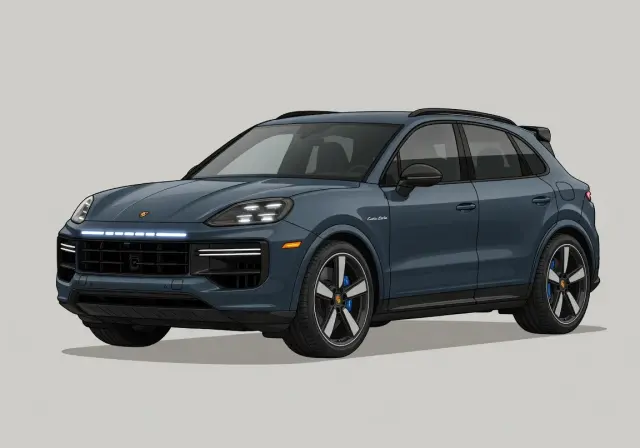 Porsche Cayenne 2.10s
 - 2
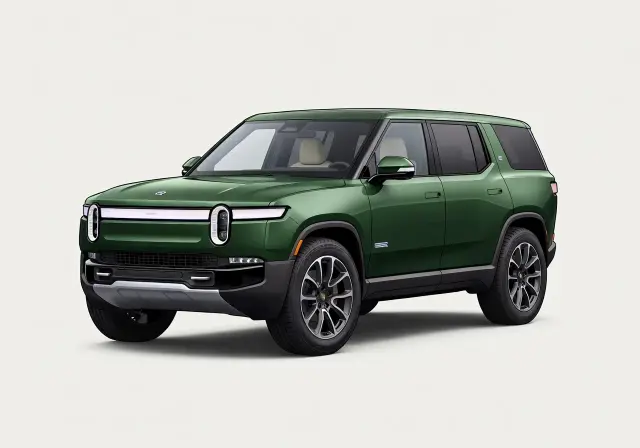 Rivian R1S 2.60s
 - 3
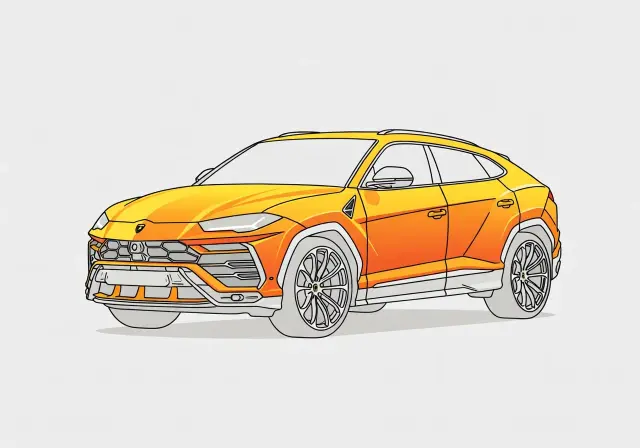 Lamborghini Urus 3.00s
 - 4
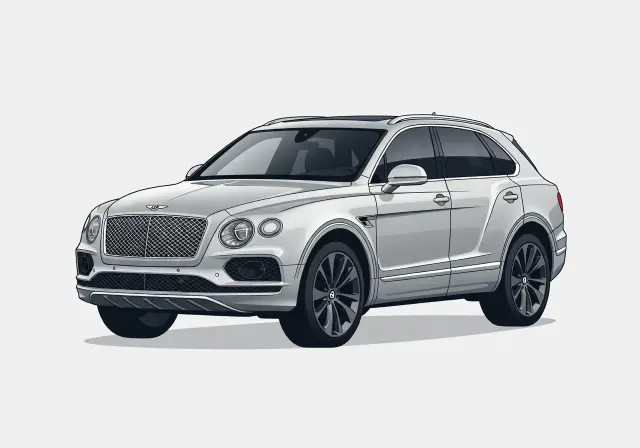 Bentley Bentayga 3.10s
 - 5
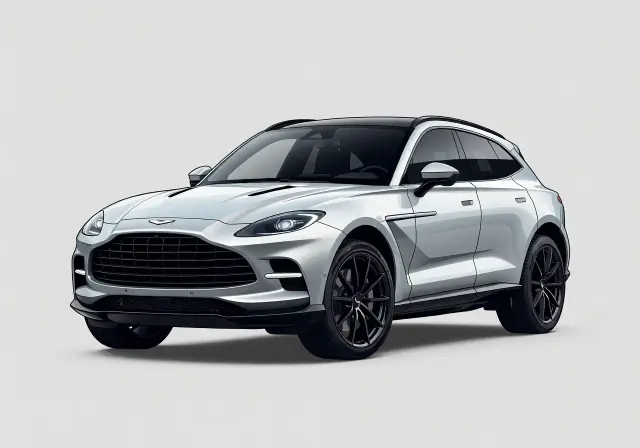 Aston Martin DBX 3.10s
 - 6
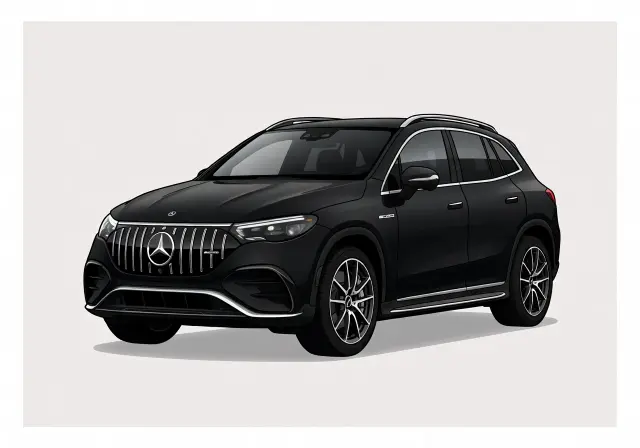 Mercedes-AMG EQE SUV 3.10s
 - 7
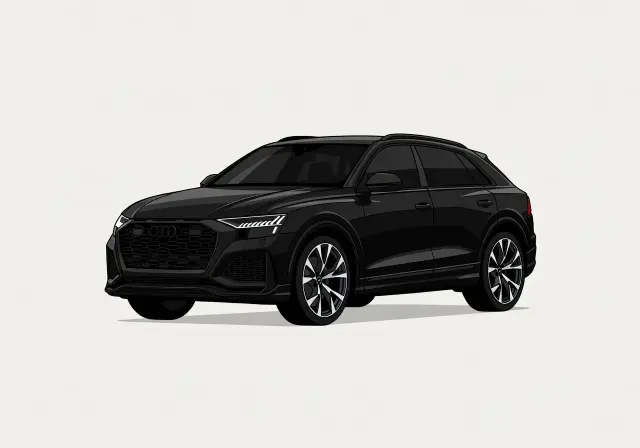 Audi RS Q8 3.20s
 - 8
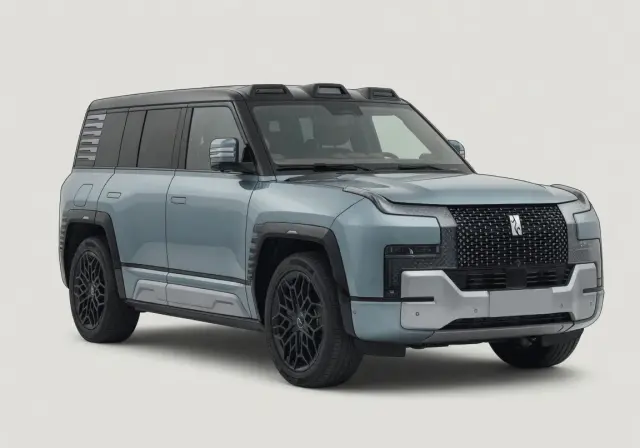 Yangwang U8 3.20s
 - 9
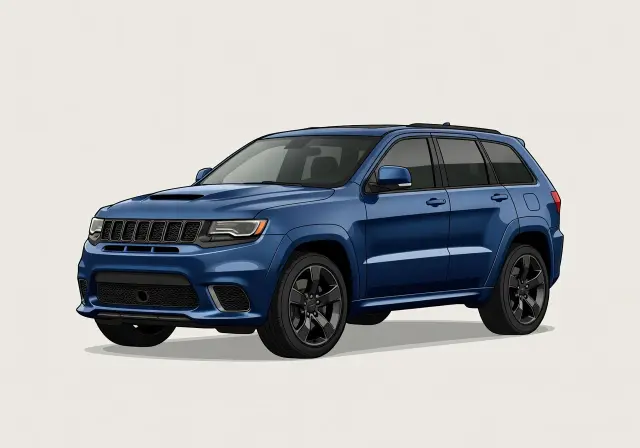 Jeep Grand Cherokee 3.30s
 - 10
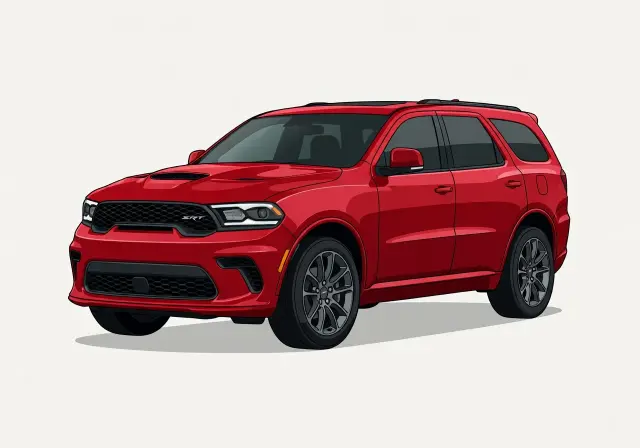 Dodge Durango 3.40s
02 /
Methodology & Eligibility
- Production-only by default. The canonical ranking counts factory-production vehicles. Use the toggle to include modified / tuner builds.
- One entry per model. Each model is represented by its single fastest verified result — repeated publication tests are collapsed.
- Ranked by 0–60 mph. Lower is faster; ties are broken by the earliest recorded test.
- Verified tests only. Every result comes from an independently published road test in our database.
03 /
Full Rankings
vehicles shown
04 /
Category Statistics
2.10sFastest 0–60 mph
5.50sMedian
5.92sAverage
13.70sSlowest qualifying
124Qualifying vehicles
Median is preferred over average — it is less influenced by a handful of exceptionally quick outliers. Statistics reflect production results only.
05 /
Common Traits Among the Fastest SUVs
This group is defined by traction and mass management more than any single layout. All-wheel drive accounts for 124 SUVs, or 98 percent of the field, while front-wheel drive covers the remaining 2 percent and rear-wheel drive is absent. Average output is 410 hp and 447 lb-ft, against an average weight of 5,245 lb and a power-to-weight figure of 76.4 hp per 1,000 lb, or 12.8 lb per hp.
The engine mix is broad, but not dominated by one formula. Naturally aspirated models make up 38 percent and turbocharged examples 23 percent, while just 6 percent are manual. That leaves this ranking centered on mostly automatic, mostly AWD SUVs that overcome substantial curb weight with relatively strong average output.
0%Rear-wheel drive
98%All-wheel drive
2%Front-wheel drive
415 hpAvg horsepower
450 lb-ftAvg torque
5,251 lbAvg curb weight
76.9 hp/1,000 lbPower-to-weight
6%Manual gearbox
23%Turbocharged
2015Avg model year
06 /
Why Horsepower Isn't Everything
Horsepower matters, but this ranking shows it is only part of the launch result. The average SUV here makes 410 hp, yet the average weight is 5,245 lb, so acceleration depends on how effectively that output is turned into motion through gearing, tire grip, and drivetrain traction. The field's 76.4 hp per 1,000 lb and 12.8 lb per hp figures explain more than output alone.
That is why a lighter or better-geared SUV can outrun a more powerful rival. With 98 percent of the list using all-wheel drive, traction off the line is a major separator, and tire setup helps determine how much of the available power actually reaches the pavement in a 0-60 mph run.
Horsepower vs 0–60 mph
One dot per vehicle · 122 plotted One dot per vehicle · 122 plotted
2.5s 5s 7.5s 10s 12.5s 0 250 500 750 1,000 1,250 Horsepower → 0–60 mph (seconds) →
2.5s 5s 7.5s 10s 12.5s 0 250 500 750 1,000 1,250 Horsepower → 0–60 mph (seconds) →
Top 10 ranked All other vehicles
Each dot is one vehicle at its fastest verified run. Exact figures for every point are in the full rankings.
07 /
Brands With the Most SUVs
08 /
Powertrain Breakdown
09 /
SUVs by Decade
The decade medians show a clear long-term drop in 0-60 mph times. The 1970s sit at 11.4 seconds, the 1980s and 1990s both at 9.7, the 2000s at 7.8, the 2010s at 5.9, and the 2020s at 4.4. Even without looking at individual trims, the trend is consistent and substantial.
What stands out is how much of the progress is concentrated in recent years. The biggest gains appear from the 2000s onward, when faster transmissions, stronger traction systems, and more high-output powertrains became common. With 72 entries from the 2020s alone, modern SUVs now define the quickest end of the category.
10 /
Records & Superlatives
The category leaders show how different paths can produce very different results. The fastest naturally aspirated entry is the 2021 Jeep Wrangler at 4.0 seconds, while the turbocharged benchmark is the 2019 Lamborghini Urus at 3.0 seconds and the electric benchmark is the 2026 Porsche Cayenne at 2.1 seconds.
The drivetrain and transmission records underline the same pattern. The AWD record matches the Cayenne at 2.1, but the front-wheel-drive mark drops to the 2024 Lexus TX 350 at 7.1. Among gearboxes, the manual best is the 2006 Nissan Xterra at 7.0, the automatic best is the Urus at 3.0, and the CVT best is the 2024 Lexus TX 500h at 5.2.
12 /
Frequently Asked Questions
What is the quickest SUV here?
The quickest entry is the 2026 Porsche Cayenne, specifically the Turbo Electric, with a 0–60 mph time of 2.1 seconds. It is a 2026 model rated at 1,139 hp, and it sets the benchmark for how fast the current field can launch.
How many SUVs are in this ranking, and how wide is the performance spread?
This list includes 124 SUVs. The spread runs from the record-setting 2.1 seconds at the top to 13.7 seconds at the bottom, which shows how broad SUV acceleration has become across different sizes, powertrains, and eras.
What is a typical 0-60 mph time for SUVs on this page?
A typical result sits around the middle of the field at 5.5 seconds, while the full average is 5.92 seconds. Looking at both figures helps separate the center of the ranking from the influence of especially quick or especially slow entries.
Why is the order based on 0-60 mph time instead of horsepower?
Because this page ranks real acceleration outcomes, not output claims. Two SUVs with very different horsepower can post similar 0–60 mph times if weight, gearing, tire grip, and drivetrain traction favor the one that puts power down more effectively.
What qualifies a vehicle to appear in this SUV ranking?
To appear here, a vehicle has to be an SUV with a recorded 0–60 mph result. Once it qualifies, placement is simple: quicker times rank higher, so the 2026 Porsche Cayenne leads the field and the rest follow in ascending order by measured acceleration.