
Rankings are based on independently published 0–60 mph tests currently included in the 0–60 Specs database. Vehicles without a qualifying published test in our database are not included.
Fastest Hybrid Cars From 0–60 MPH
Median 0–60 mph
6.10sec
Average 6.01s
Qualifying Vehicles
153
2006–2027 model years
Verified Tests
728
Tests in this category
01 /
Top 10 Fastest by 0–60 mph
-
1
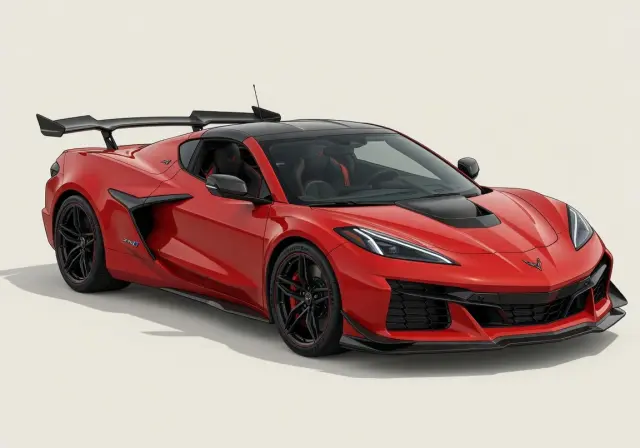 Chevrolet Corvette
1.80s
Chevrolet Corvette
1.80s
-
2
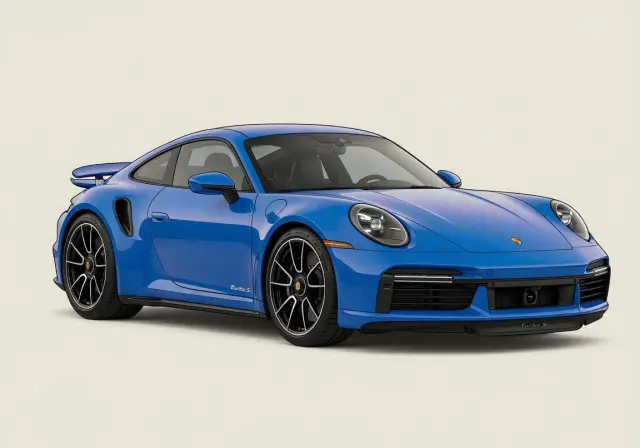 Porsche 911
2.00s
Porsche 911
2.00s
-
3
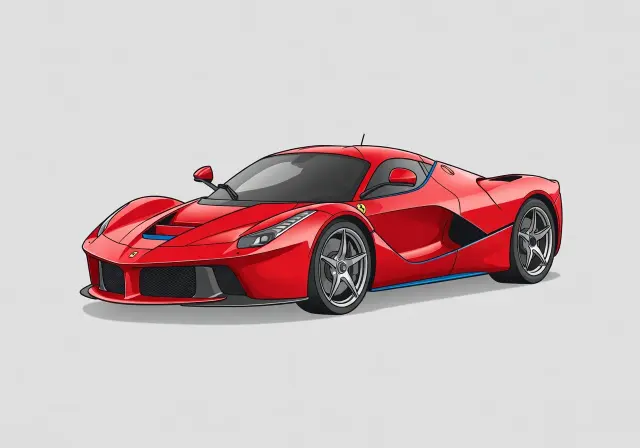 Ferrari LaFerrari
2.40s
Ferrari LaFerrari
2.40s
-
4
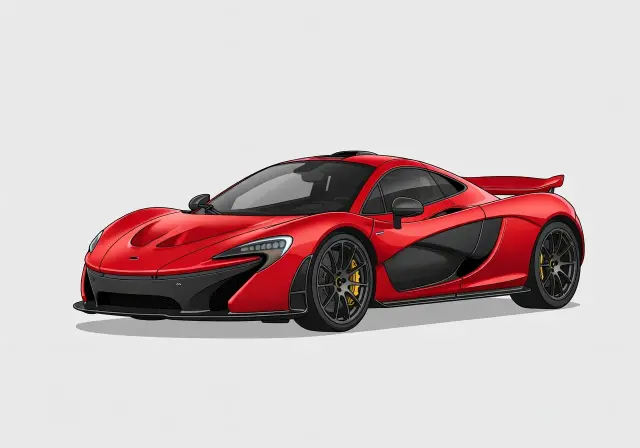 McLaren P1
2.60s
McLaren P1
2.60s
-
5
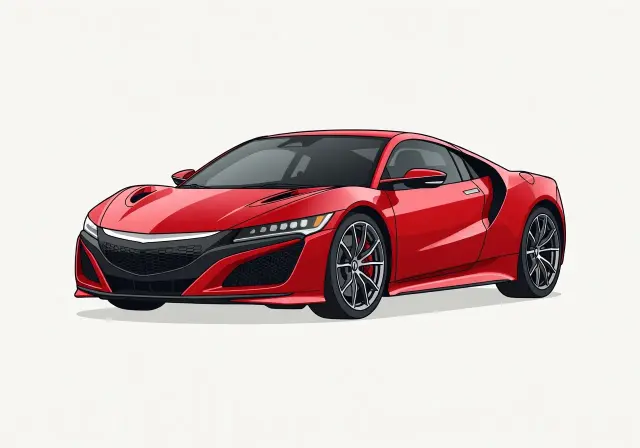 Acura NSX
2.90s
Acura NSX
2.90s
-
6
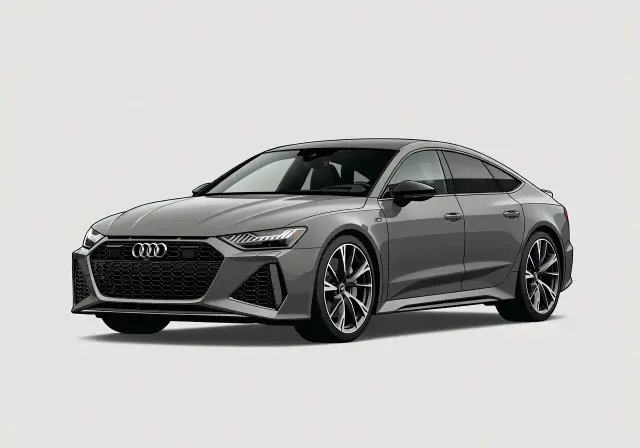 Audi RS 7
2.90s
Audi RS 7
2.90s
-
7
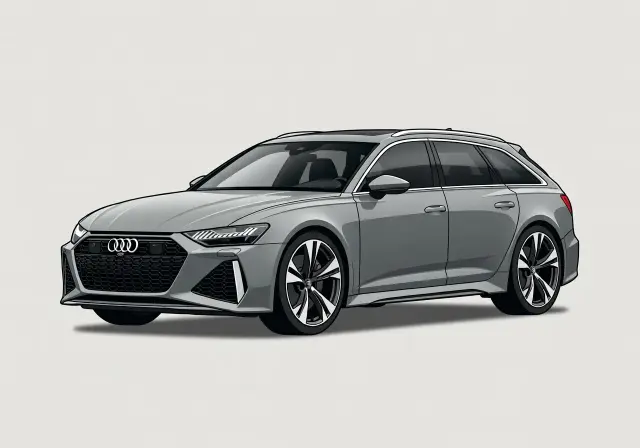 Audi RS 6
3.10s
Audi RS 6
3.10s
-
8
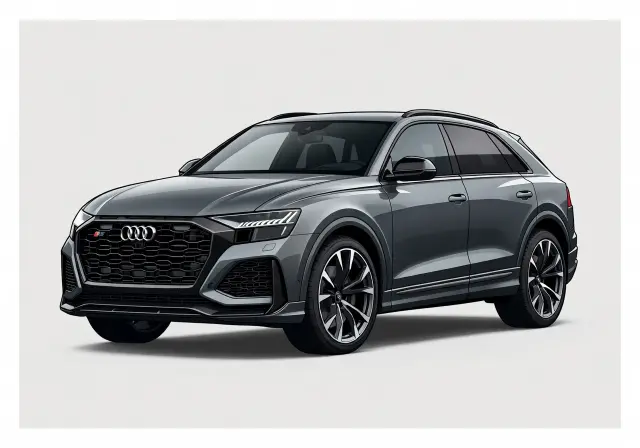 Audi RS Q8
3.10s
Audi RS Q8
3.10s
-
9
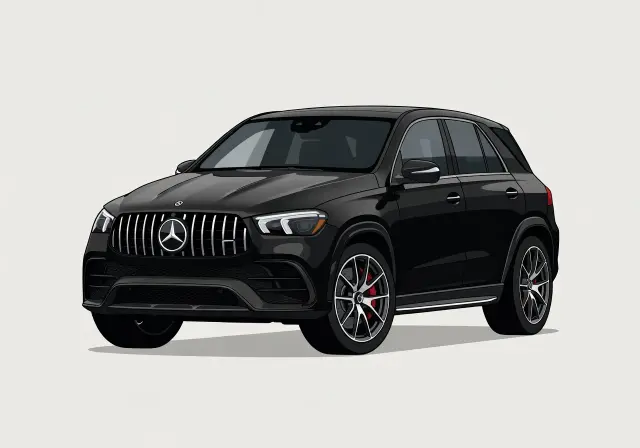 Mercedes-AMG GLE-Class
3.40s
Mercedes-AMG GLE-Class
3.40s
-
10
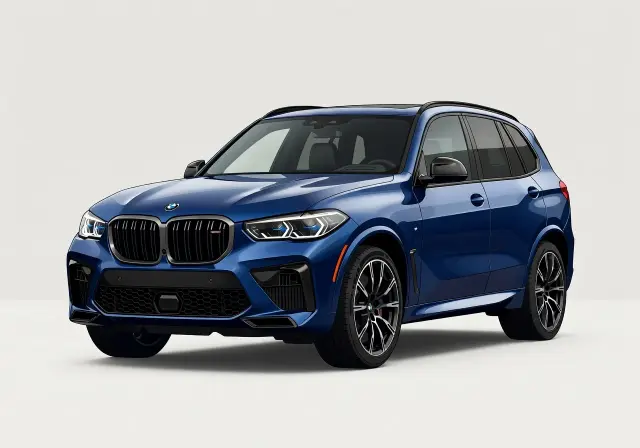 BMW X5
3.40s
BMW X5
3.40s
02 /
Methodology & Eligibility
- Production-only by default. The canonical ranking counts factory-production vehicles. Use the toggle to include modified / tuner builds.
- One entry per model. Each model is represented by its single fastest verified result — repeated publication tests are collapsed.
- Ranked by 0–60 mph. Lower is faster; ties are broken by the earliest recorded test.
- Verified tests only. Every result comes from an independently published road test in our database.
03 /
Full Rankings
vehicles shown
04 /
Category Statistics
1.80sFastest 0–60 mph
6.10sMedian
6.01sAverage
13.30sSlowest qualifying
153Qualifying vehicles
Median is preferred over average — it is less influenced by a handful of exceptionally quick outliers. Statistics reflect production results only.
05 /
Common Traits Among the Fastest Hybrid Cars
This group is overwhelmingly all-wheel drive: 112 of 152 entries, or 74%. Front-wheel drive accounts for 27 cars, or 18%, while rear-wheel drive makes up 13 cars, or 9%. Manual transmissions are nearly absent at 1%, which fits a field centered on modern hybrid packaging and launch-friendly automatic drivetrains.
Average output sits at 340 hp and 359 lb-ft, against an average weight of 4,438 lb. That works out to 76.5 hp per 1,000 lb, or 13.1 lb per hp. Forced induction is rare in this set, with 3% turbocharged, and the average model year is 2020 across vehicles spanning 2006 to 2026.
8%Rear-wheel drive
74%All-wheel drive
18%Front-wheel drive
345 hpAvg horsepower
359 lb-ftAvg torque
4,447 lbAvg curb weight
77.6 hp/1,000 lbPower-to-weight
1%Manual gearbox
2%Turbocharged
2020Avg model year
06 /
Why Horsepower Isn't Everything
Horsepower sets the ceiling, but it does not by itself decide the 0-60 mph result. In this group, the average vehicle makes 340 hp, yet the average weight is 4,438 lb, leaving an average power-to-weight figure of 76.5 hp per 1,000 lb, or 13.1 lb per hp. That is why output has to be read alongside mass.
Gearing, tire grip, and traction also shape the first 60 mph. With 74% of the field using all-wheel drive, launch efficiency is a major factor, and transmission choice matters too because only 1% are manual. Cars that are lighter or geared to stay in the strongest part of their power delivery can outperform rivals with bigger headline horsepower numbers.
Horsepower vs 0–60 mph
One dot per vehicle · 151 plotted
One dot per vehicle · 151 plotted
2s
4s
6s
8s
10s
0
250
500
750
1,000
1,250
Horsepower →
0–60 mph (seconds) →
2s
4s
6s
8s
10s
0
250
500
750
1,000
1,250
Horsepower →
0–60 mph (seconds) →
Top 10 ranked
All other vehicles
Each dot is one vehicle at its fastest verified run. Exact figures for every point are in the full rankings.
07 /
Brands With the Most Hybrid Cars
08 /
Powertrain Breakdown
09 /
Hybrid Cars by Decade
Across the decades, the median 0-60 mph time has moved from 7.1 seconds in the 2000s to 7.2 in the 2010s, then down to 5.6 in the 2020s. That recent drop is the clearest signal in the set, especially since the 2020s also account for 103 of the 152 vehicles listed.
The earlier medians suggest that hybrid performance gains were gradual at first, with little separation between the 2000s and 2010s. The 2020s median indicates a broader shift, not just a few halo cars. It points to faster launches becoming more common across the category, rather than being limited to isolated models such as the Porsche 911 or Ferrari LaFerrari.
10 /
Records & Superlatives
The category leaders show how wide the spread can be. The fastest turbocharged and all-wheel-drive entry is the 2026 Porsche 911 at 2.2 seconds, while the quickest rear-wheel-drive and automatic model is the 2015 Ferrari LaFerrari at 2.4. At the other end of the drivetrain records, the front-wheel-drive benchmark is the 2025 Honda Civic at 6.1.
Transmission-specific records underline the same pattern. The quickest dual-clutch model is the 2019 Audi A7 at 4.4, the fastest CVT is the 2020 Lexus LC at 4.8, and the manual benchmark is the 2011 Honda CR-Z at 8.3. The spread shows how strongly drivetrain layout and gearbox type influence launch performance.
12 /
Frequently Asked Questions
What is the quickest hybrid car here from 0-60 mph?
The quickest entry is the 2026 Chevrolet Corvette, specifically the ZR1X Targa Coupe (3LZ, Carbon Fiber Aero, ZTK Track Performance Pack), with a 0-60 mph time of 1.8 seconds. It is a 2026 model, and its listed output is 1,250 hp, which helps explain why it sits at the top of this ranking.
How many hybrid cars are included, and how wide is the performance range?
This ranking includes 153 vehicles. The spread runs from the category leader at 1.8 seconds to the slowest qualifying result at 13.3 seconds, which shows that this group covers both high-performance hybrids and more efficiency-focused models.
What is a typical 0-60 mph time for hybrid cars in this ranking?
A typical result sits around the middle of the field at 6.1 seconds, while the overall average is 6.01 seconds. Looking at both figures helps show whether the category is clustered tightly or pulled by a smaller number of especially quick entries.
Why are some hybrids with less power ranked ahead of others?
This page is ordered by 0–60 mph, so the ranking reflects measured acceleration rather than output alone. Weight, gearing, tire grip, and drivetrain traction all matter, which is why some Hybrid Cars with modest power can still post stronger times than heavier rivals.
What qualifies a vehicle for this hybrid ranking?
To appear here, a vehicle has to fit the Hybrid Cars category and have a recorded 0–60 mph result. Once it qualifies, it is sorted by quickest time first, so readers can compare the full field from the fastest example to the slowest.