
Rankings are based on independently published 0–60 mph tests currently included in the 0–60 Specs database. Vehicles without a qualifying published test in our database are not included.
Fastest EVs From 0–60 MPH
Median 0–60 mph
4.10sec
Average 4.79s
Qualifying Vehicles
117
1997–2027 model years
Verified Tests
572
Tests in this category
01 /
Top 10 Fastest by 0–60 mph
-
1
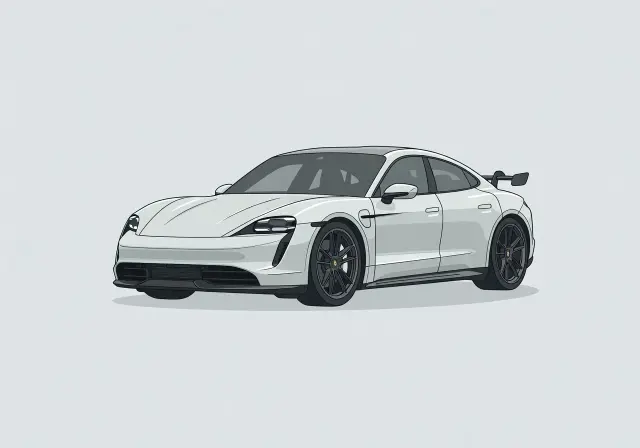 Porsche Taycan
1.89s
Porsche Taycan
1.89s
-
2
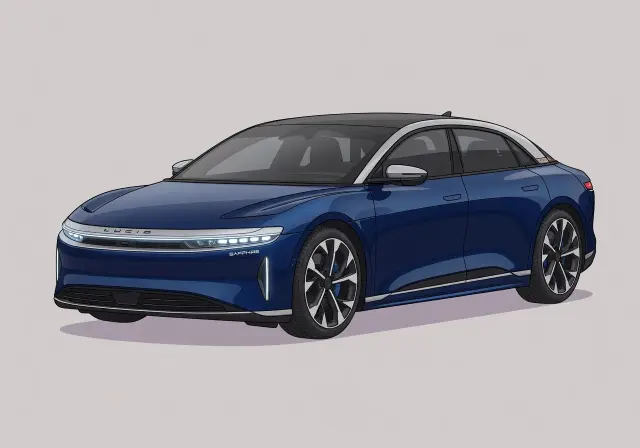 Lucid Air
1.90s
Lucid Air
1.90s
-
3
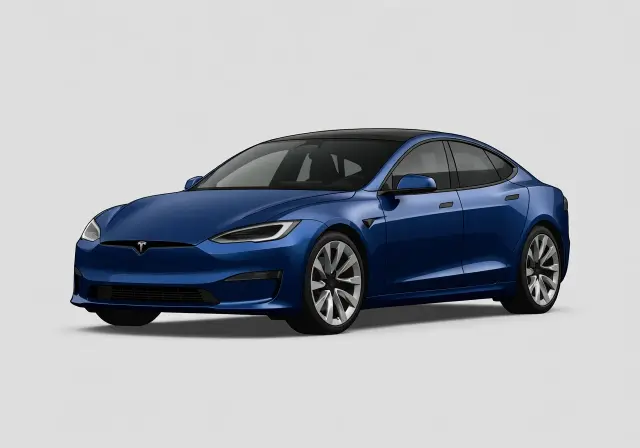 Tesla Model S
1.98s
Tesla Model S
1.98s
-
4
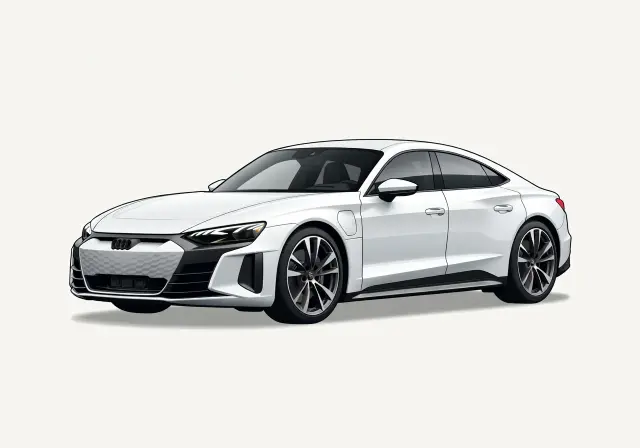 Audi RS e-tron GT
2.10s
Audi RS e-tron GT
2.10s
-
5
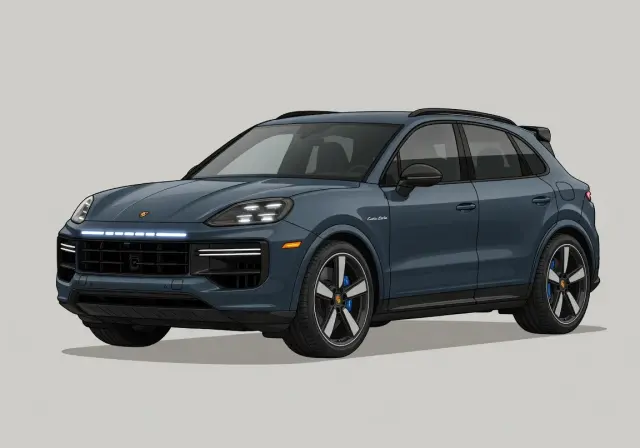 Porsche Cayenne
2.10s
Porsche Cayenne
2.10s
-
6
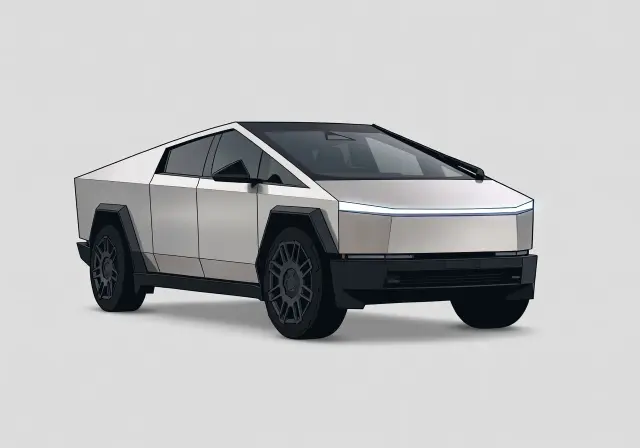 Tesla Cybertruck
2.50s
Tesla Cybertruck
2.50s
-
7
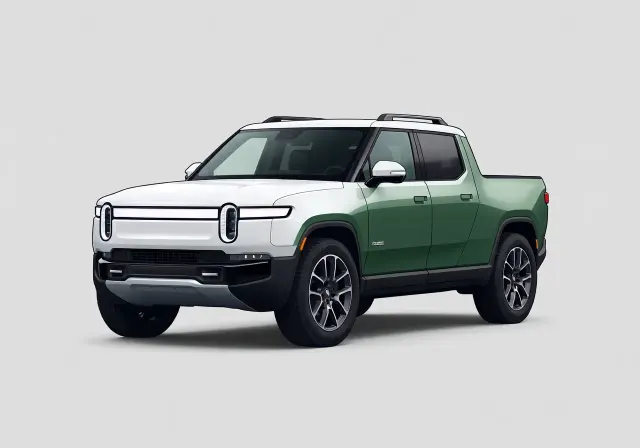 Rivian R1T
2.50s
Rivian R1T
2.50s
-
8
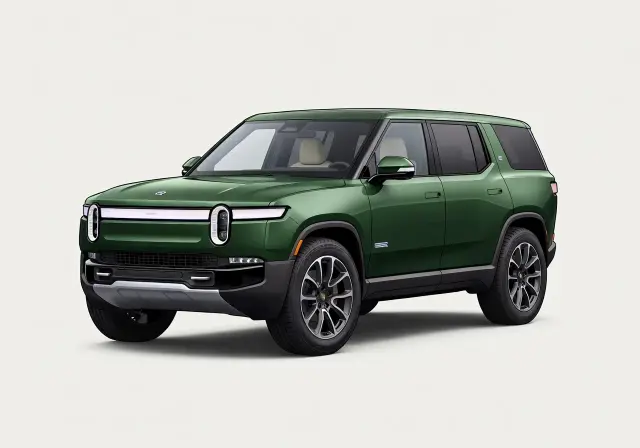 Rivian R1S
2.60s
Rivian R1S
2.60s
-
9
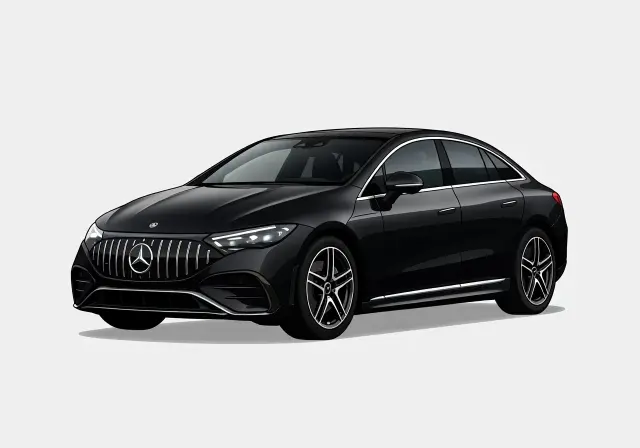 Mercedes-AMG EQE
2.80s
Mercedes-AMG EQE
2.80s
-
10
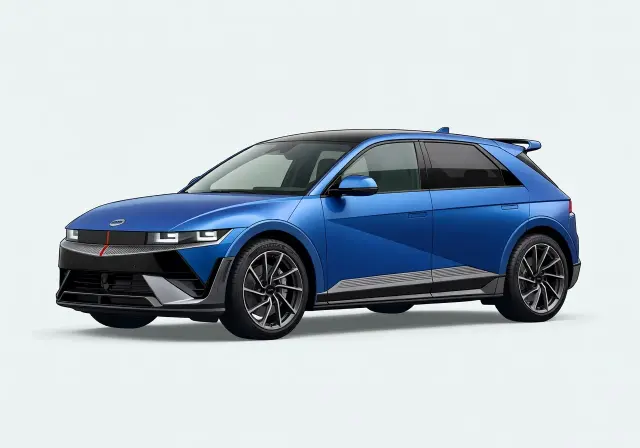 Hyundai Ioniq 5
2.80s
Hyundai Ioniq 5
2.80s
02 /
Methodology & Eligibility
- Production-only by default. The canonical ranking counts factory-production vehicles. Use the toggle to include modified / tuner builds.
- One entry per model. Each model is represented by its single fastest verified result — repeated publication tests are collapsed.
- Ranked by 0–60 mph. Lower is faster; ties are broken by the earliest recorded test.
- Verified tests only. Every result comes from an independently published road test in our database.
03 /
Full Rankings
vehicles shown
04 /
Category Statistics
1.89sFastest 0–60 mph
4.10sMedian
4.79sAverage
16.60sSlowest qualifying
117Qualifying vehicles
Median is preferred over average — it is less influenced by a handful of exceptionally quick outliers. Statistics reflect production results only.
05 /
Common Traits Among the Fastest EVs
This field is defined by all-electric propulsion and a strong bias toward all-wheel drive. AWD accounts for 76% of entries, compared with 15% front-wheel drive and 9% rear-wheel drive. Average output sits at 457 hp and 506 lb-ft, while average weight is 5177 lb, with a median weight of 5109.5 lb.
Power density helps explain the pace: this group averages 84.6 hp per 1000 lb, or 11.3 lb per hp. The aspiration mix is effectively nontraditional here, with 1% turbocharged and 0% naturally aspirated, and manuals are absent at 0%.
9%Rear-wheel drive
76%All-wheel drive
15%Front-wheel drive
465 hpAvg horsepower
509 lb-ftAvg torque
5,163 lbAvg curb weight
85.9 hp/1,000 lbPower-to-weight
0%Manual gearbox
1%Turbocharged
2022Avg model year
06 /
Why Horsepower Isn't Everything
High output is common here, with an average of 457 hp, but acceleration depends on more than peak power. Weight matters because this group averages 5177 lb, so the more telling summary is its 84.6 hp per 1000 lb and 11.3 lb per hp rather than horsepower alone.
Gearing, tire grip, and drivetrain traction also shape real 0-60 results. That is why an efficiently geared EV with strong traction can outrun a more powerful but heavier setup, and why lighter or better-matched vehicles often perform above what their raw horsepower figure suggests.
Horsepower vs 0–60 mph
One dot per vehicle · 113 plotted
One dot per vehicle · 113 plotted
0s
5s
10s
15s
0
250
500
750
1,000
1,250
Horsepower →
0–60 mph (seconds) →
0s
5s
10s
15s
0
250
500
750
1,000
1,250
Horsepower →
0–60 mph (seconds) →
Top 10 ranked
All other vehicles
Each dot is one vehicle at its fastest verified run. Exact figures for every point are in the full rankings.
07 /
Brands With the Most EVs
08 /
Powertrain Breakdown
09 /
EVs by Decade
The decade medians trace a clear downward trend in 0-60 times. In the 1990s, the median for this group was 12.2 across 2 vehicles. By the 2010s, the median had fallen to 7.5 across 15 vehicles, showing how battery, motor, and control-system gains reshaped the category.
The 2020s push that pattern much further, with a median of 4 across 91 vehicles. That matters not only because the latest entries are quicker at the top, but because the center of the field has moved substantially, making strong straight-line performance far more common than it was in earlier decades.
10 /
Records & Superlatives
The category benchmarks show how wide acceleration outcomes can be across powertrains and layouts. The electric and all-wheel-drive records are both held by the 2025 Porsche Taycan at 1.89, while the automatic record matches it at 1.89. At the other end of the drivetrain spread, the front-wheel-drive record is the 2020 Kia Niro at 6.2.
Among engine-related labels provided, the turbocharged record is the 2025 Audi SQ5 at 4.3, and the supercharged mark is the 2025 Ford Mustang at 2.8, which also leads rear-wheel drive. The spread from 1.89 to 6.2 shows how traction and layout can separate quick from merely competent launches.
12 /
Frequently Asked Questions
Which EV is quickest to 0-60 mph right now?
The current leader is the 2025 Porsche Taycan, specifically the Turbo GT Weissach, with a 1.89 seconds run. It is a 2025 model, and its listed output is 1,019 hp, which places it at the front of this ranking.
How many EVs are included, and how wide is the performance spread?
This ranking includes 117 EVs. The quickest entry reaches 60 mph in 1.89 seconds, while the slowest qualifying result is 16.6 seconds. That range shows how broad EV performance is, from launch-focused models to efficiency-oriented ones.
What is a typical 0-60 mph time for EVs in this ranking?
The median result is 4.1 seconds, which is the best guide to what the middle of the field looks like. The average is 4.79 seconds, and comparing those two gives a useful snapshot of how concentrated the quicker EVs are near the top.
Why is the ranking ordered by 0-60 mph instead of horsepower?
Because 0–60 mph measures actual acceleration, not just engine or motor output. Two EVs with similar power can post different times because of weight, gearing, tires, and traction. Ordering by 0–60 mph reflects what happens in a real launch.
What qualifies a vehicle for this EV ranking?
A vehicle must be an EV and have a recorded 0–60 mph result to appear here. Once it qualifies, it is placed against the full field of EVs, from the 2025 Porsche Taycan at the top to entries closer to the 16.6 seconds end of the scale.