
Rankings are based on independently published 0–60 mph tests currently included in the 0–60 Specs database. Vehicles without a qualifying published test in our database are not included.
Fastest Diesel Cars From 0–60 MPH
Median 0–60 mph
7.75sec
Average 8.50s
Qualifying Vehicles
76
1977–2025 model years
Verified Tests
291
Tests in this category
01 /
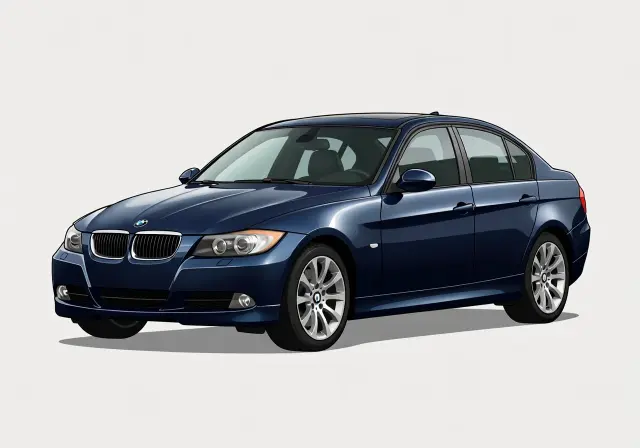
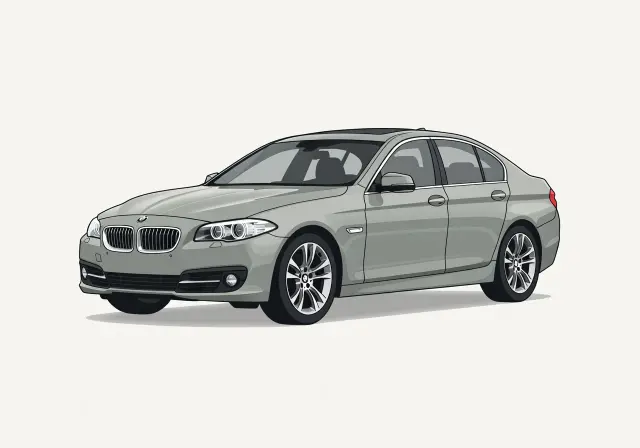
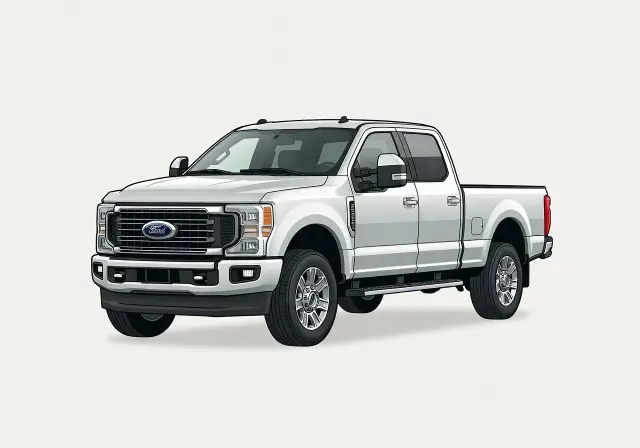
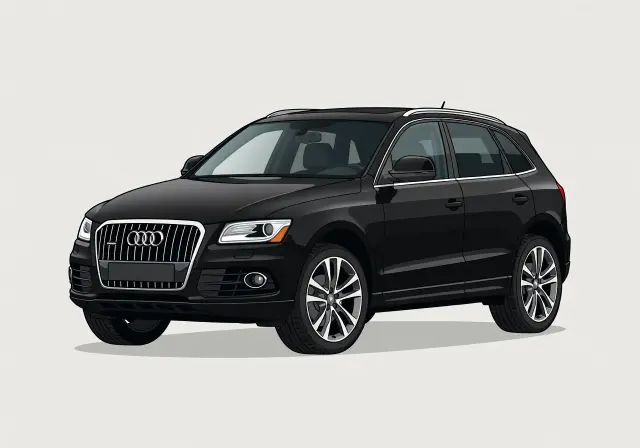
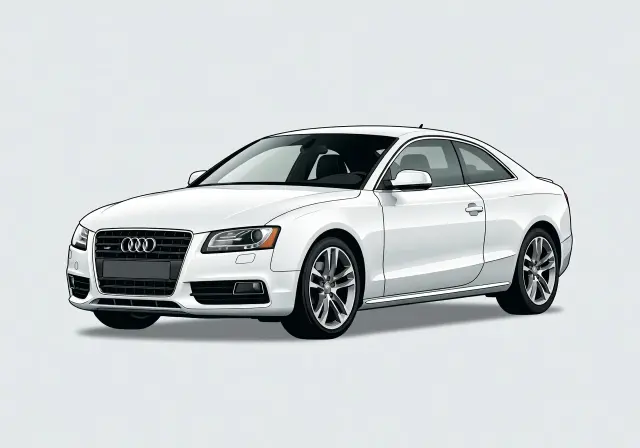
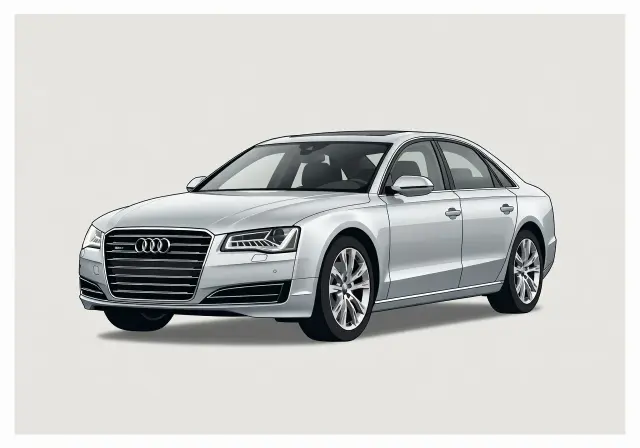
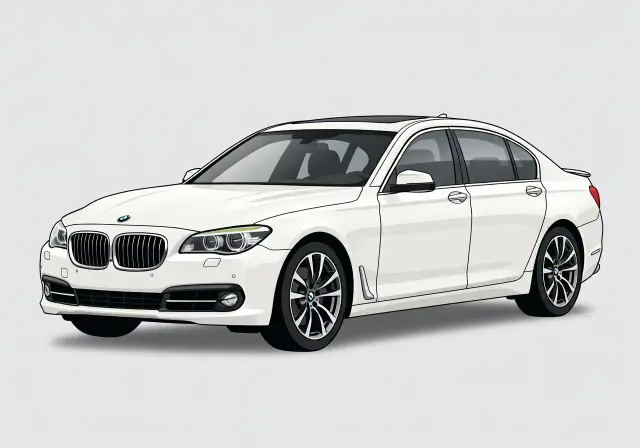
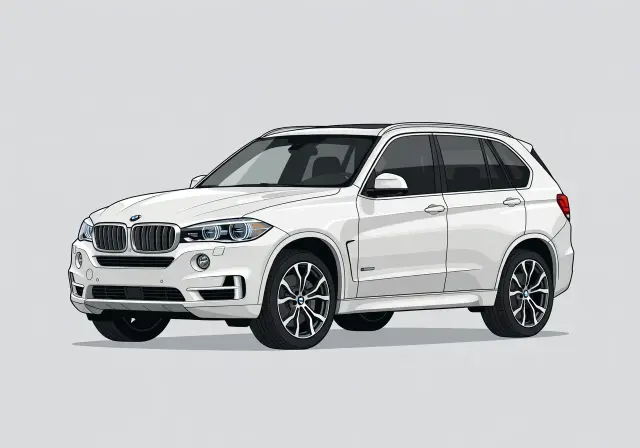
Top 10 Fastest by 0–60 mph

02 /
Methodology & Eligibility
- Production-only by default. The canonical ranking counts factory-production vehicles. Use the toggle to include modified / tuner builds.
- One entry per model. Each model is represented by its single fastest verified result — repeated publication tests are collapsed.
- Ranked by 0–60 mph. Lower is faster; ties are broken by the earliest recorded test.
- Verified tests only. Every result comes from an independently published road test in our database.
03 /
Full Rankings
vehicles shown
04 /
Category Statistics
5.10sFastest 0–60 mph
7.75sMedian
8.50sAverage
21.13sSlowest qualifying
76Qualifying vehicles
Median is preferred over average — it is less influenced by a handful of exceptionally quick outliers. Statistics reflect production results only.
05 /
Common Traits Among the Fastest Diesel Cars
This group is defined by diesel power and a strong bias toward all-wheel drive. AWD accounts for 66 percent of the field, while rear-wheel drive and front-wheel drive each make up 17 percent. Manuals are relatively uncommon at 17 percent, showing how much this set leans toward automatic, traction-focused performance.
On average, these vehicles produce 225 horsepower and 405 torque, with an average weight of 4592 pounds and a power-to-weight figure of 46.7 horsepower per 1000 pounds, or 20.4 pounds per horsepower. Turbocharging dominates at 91 percent, leaving naturally aspirated models at 9 percent.
17%Rear-wheel drive
66%All-wheel drive
17%Front-wheel drive
225 hpAvg horsepower
405 lb-ftAvg torque
4,592 lbAvg curb weight
46.7 hp/1,000 lbPower-to-weight
17%Manual gearbox
91%Turbocharged
2011Avg model year
06 /
Why Horsepower Isn't Everything
Raw output only explains part of a 0-60 mph result. Across this set, the average diesel makes 225 horsepower, yet the average vehicle also weighs 4592 pounds, which is why the group-level power-to-weight figure of 46.7 horsepower per 1000 pounds matters as much as the headline horsepower number.
Gearing, tire grip, and drivetrain layout also shape launch performance. The heavy AWD share in this ranking points to the value of traction off the line, while lighter or better-geared models can outperform rivals with similar power. That is why some cars in this list punch above their horsepower rating.
Horsepower vs 0–60 mph
One dot per vehicle · 75 plotted
One dot per vehicle · 75 plotted
5s
10s
15s
20s
0
100
200
300
400
500
Horsepower →
0–60 mph (seconds) →
5s
10s
15s
20s
0
100
200
300
400
500
Horsepower →
0–60 mph (seconds) →
Top 10 ranked
All other vehicles
Each dot is one vehicle at its fastest verified run. Exact figures for every point are in the full rankings.
07 /
Brands With the Most Diesel Cars
08 /
Powertrain Breakdown
09 /
Diesel Cars by Decade
The decade medians show a clear long-term improvement in diesel acceleration. The 1970s sit at 16.8 seconds, the 1980s at 15.8, and the 1990s at 12.1. The biggest step change comes in the 2000s, where the median drops to 8.3 seconds.
Progress continues in newer eras, with the 2010s posting a 7.7-second median and the 2020s improving again to 7. That pattern suggests steady gains from better turbo diesel tuning, drivetrains, and transmission calibration rather than a single abrupt leap.
10 /
Records & Superlatives
The record holders show how much configuration changes the outcome. The fastest naturally aspirated entry is the 1995 Mercedes-Benz C220 at 9 seconds, while the fastest turbocharged diesel is the 2014 Audi A6 at 5.1 seconds. That gap underlines how central turbocharging is in this category.
By drivetrain and transmission, AWD and automatic both peak with the 2014 Audi A6 at 5.1 seconds, RWD is the 2009 BMW 335 at 5.3, FWD is the 2012 Volkswagen Golf at 7, and manual is the 2008 Audi A5 at 5.8. No electric record appears here because the field is entirely diesel.
12 /
Frequently Asked Questions
What is the quickest diesel car here from 0-60 mph?
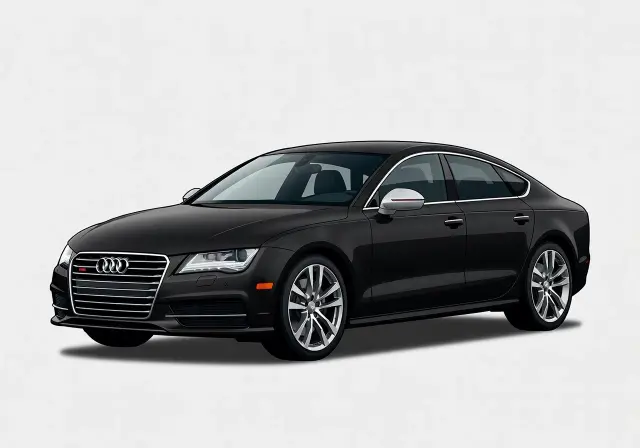
The quickest entry is 2014 Audi A6, and it reaches 60 mph in 5.1 seconds. That makes the 2014 model the benchmark for this ranking, with 240 hp helping it set the pace in this diesel field.
How many vehicles are included, and how wide is the performance spread?
This ranking includes 76 vehicles. The field runs from the category leader at 5.1 seconds to the slowest qualifier at 21.13 seconds, which shows that diesel performance here ranges from genuinely quick launches to much more gradual acceleration.
What is a typical 0-60 mph time for these diesel models?
A useful midpoint is the median, which is 7.75 seconds. The average is 8.5 seconds, so the typical result sits in that same general band, even though the quickest and slowest vehicles stretch the overall range in both directions.
Why is the order based on 0-60 mph instead of horsepower?
The ranking is sorted by 0–60 mph because that measures actual acceleration, not just engine output. In this category, heavier vehicles, traction limits, and drivetrain differences can all change real-world results, so horsepower alone would not describe the pecking order accurately.
What qualifies a vehicle for this diesel ranking?
To appear here, a vehicle has to fit the Diesel Cars category and have a recorded 0–60 mph result. Once it qualifies, its position is determined by that acceleration time, with quicker runs ranking ahead of slower ones.