
Rankings are based on independently published 0–60 mph tests currently included in the 0–60 Specs database. Vehicles without a qualifying published test in our database are not included.
Fastest Cars of the 1970's from 0-60
Median 0–60 mph 9.85sec Average 10.15s
Qualifying Vehicles 102 1970–1979 model years
Verified Tests 225 Tests in this category
01 /
Top 10 Fastest by 0–60 mph
- 1
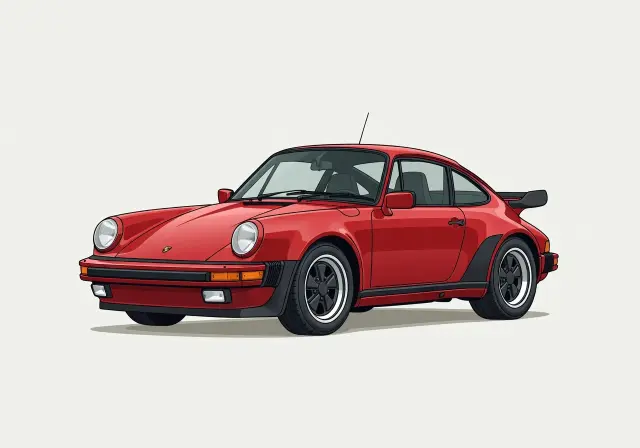 Porsche 911 4.90s
 - 2
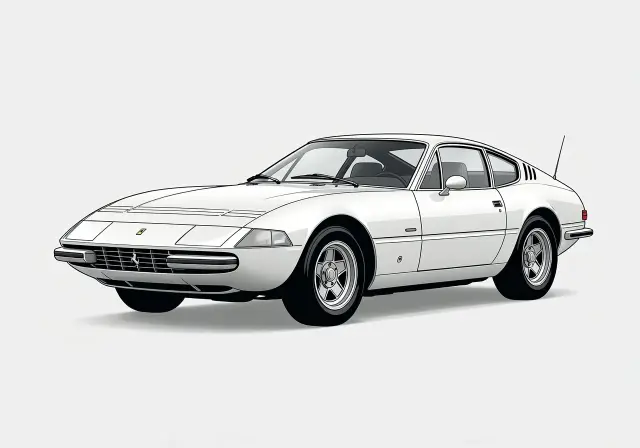 Ferrari 365 5.20s
 - 3
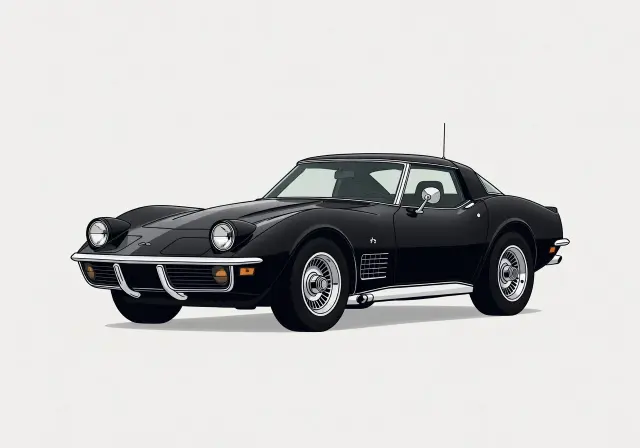 Chevrolet Corvette 5.30s
 - 4
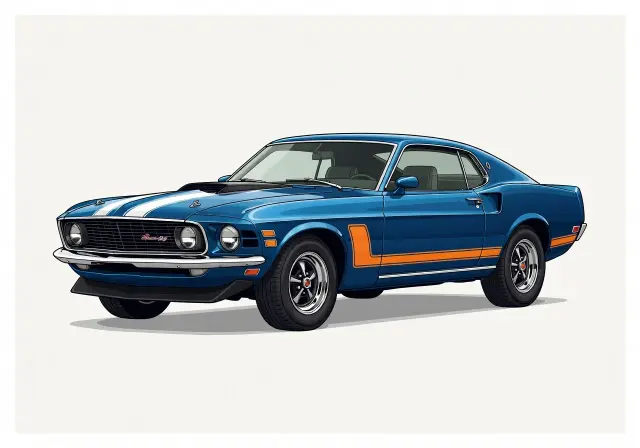 Ford Mustang 5.30s
 - 5
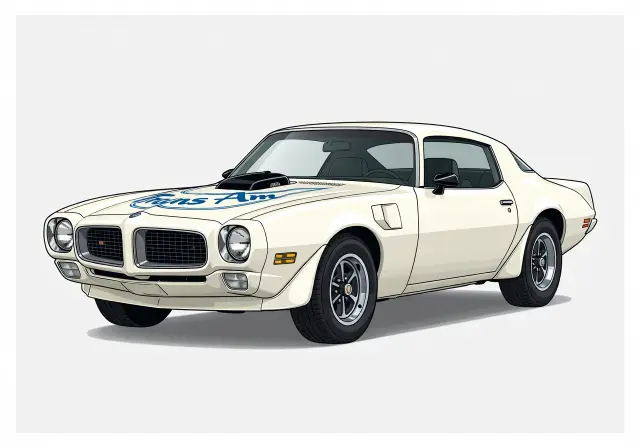 Pontiac Firebird 5.40s
 - 6
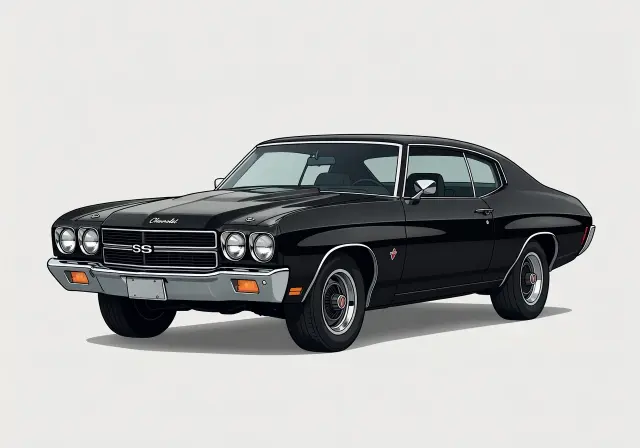 Chevrolet Chevelle 5.40s
 - 7
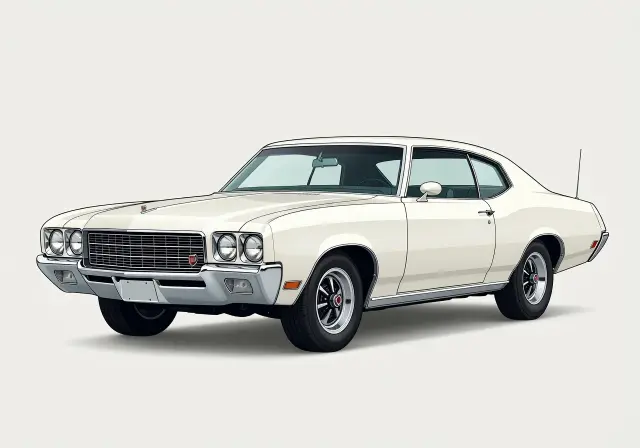 Buick Skylark 5.50s
 - 8
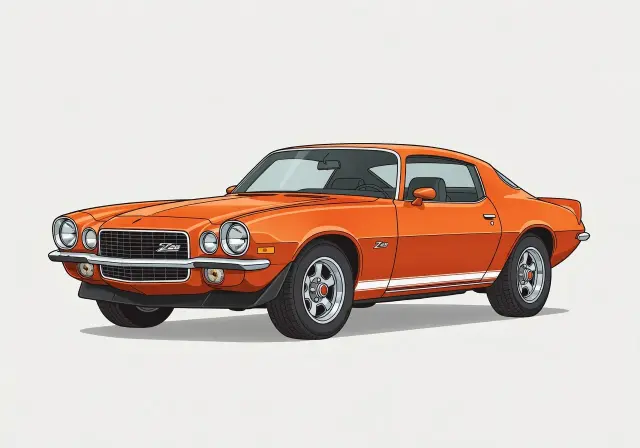 Chevrolet Camaro 5.80s
 - 9
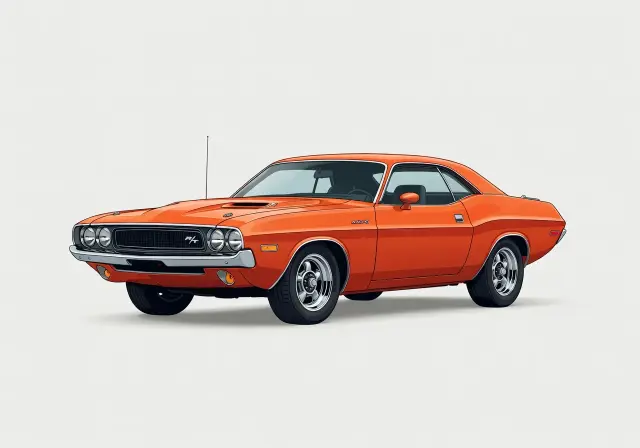 Dodge Challenger 5.80s
 - 10
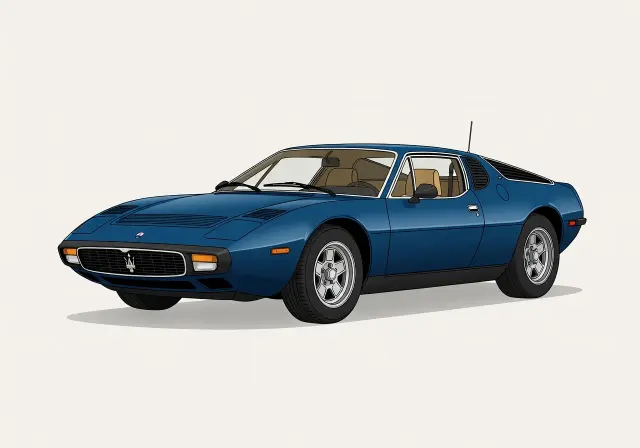 Maserati Bora 6.30s
02 /
Methodology & Eligibility
- Production-only by default. The canonical ranking counts factory-production vehicles. Use the toggle to include modified / tuner builds.
- One entry per model. Each model is represented by its single fastest verified result — repeated publication tests are collapsed.
- Ranked by 0–60 mph. Lower is faster; ties are broken by the earliest recorded test.
- Verified tests only. Every result comes from an independently published road test in our database.
03 /
Full Rankings
vehicles shown
04 /
Category Statistics
4.90sFastest 0–60 mph
9.85sMedian
10.15sAverage
20.80sSlowest qualifying
102Qualifying vehicles
Median is preferred over average — it is less influenced by a handful of exceptionally quick outliers. Statistics reflect production results only.
05 /
Common Traits Among the Fastest Cars of 1970's
This group is defined by rear-drive layouts, with RWD accounting for 77 percent of entries, versus 18 percent FWD and 5 percent AWD. Manuals make up 65 percent, and the aspiration mix is overwhelmingly naturally aspirated at 97 percent, with just 3 percent turbocharged. Every vehicle here is gasoline-powered.
On average, these cars produce 177 hp and 215 lb-ft, weigh 3004 lb, and sit at 57.1 hp per 1000 lb, or 17 lb per hp. That combination helps explain why quick launches in this set come from a mix of output, mass, and drivetrain layout rather than any single spec alone.
77%Rear-wheel drive
5%All-wheel drive
18%Front-wheel drive
177 hpAvg horsepower
215 lb-ftAvg torque
3,004 lbAvg curb weight
57.1 hp/1,000 lbPower-to-weight
65%Manual gearbox
3%Turbocharged
1974Avg model year
06 /
Why Horsepower Isn't Everything
Raw output only tells part of the story in this field. The average sits at 177 hp, yet acceleration depends on how that power moves 3004 lb, reflected by the group's 57.1 hp per 1000 lb and 17 lb per hp figures. A lighter car or one with shorter gearing can post a stronger 0-60 result without leading on horsepower alone.
Tires, traction, and drivetrain also matter. With 77 percent RWD, 18 percent FWD, and 5 percent AWD, launch characteristics vary widely, while a 65 percent manual share adds another variable through gear spacing and shift execution. That is why some modest-output cars can outperform heavier or less effectively geared rivals.
Horsepower vs 0–60 mph
One dot per vehicle · 100 plotted One dot per vehicle · 100 plotted
5s 10s 15s 20s 0 100 200 300 400 Horsepower → 0–60 mph (seconds) →
5s 10s 15s 20s 0 100 200 300 400 Horsepower → 0–60 mph (seconds) →
Top 10 ranked All other vehicles
Each dot is one vehicle at its fastest verified run. Exact figures for every point are in the full rankings.
07 /
Brands With the Most Cars of 1970's
08 /
Powertrain Breakdown
09 /
Cars of 1970's by Decade
Within this set, the decade snapshot is straightforward: the 1970s category contains 102 vehicles and posts a median 0-60 mph time of 9.9 seconds. That median places the typical entry well behind the quickest cars at the top, showing how much separation exists between standout performers and the broader middle of the pack.
Because the decade breakdown provided here covers only the 1970s, it serves more as a baseline than a multi-decade trendline. Even so, a 9.9-second median alongside leaders like the Porsche 911 and Ferrari 365 illustrates how uneven acceleration performance was across the era.
10 /
Records & Superlatives
The record holders show how broad the performance spread is within this decade. The fastest turbocharged car is the 1978 Porsche 911 at 4.9 seconds, while the quickest naturally aspirated entry is the 1971 Ferrari 365 at 5.2. By drivetrain, rear-drive matches the overall best at 4.9, front-drive is led by the 1979 Chevrolet Citation at 9.6, and AWD by the 1975 Jeep CJ-5 at 11.4.
Transmission records reinforce the same point. The quickest manual is again the 1978 Porsche 911 at 4.9, while the fastest automatic is the 1971 Pontiac Firebird at 5.4. The spread between these benchmarks shows that layout, induction, and transmission each shape launch performance in different ways across the 1970s field.
12 /
Frequently Asked Questions
What is the quickest car in this 1970s ranking?
The quickest entry is 1978 Porsche 911, and its best listed 0-60 mph run is 4.9 seconds. That makes it the benchmark for this group, ahead of every other qualifying car from the same decade.
How many vehicles are included, and how wide is the performance spread?
This ranking includes 102 vehicles. Performance ranges from the class-leading 4.9 seconds at the top to 20.8 seconds at the back, which shows a broad spread between the quickest examples and the slowest qualifying entries.
What does a typical 1970s 0-60 mph result look like here?
The middle of the field is represented by a median of 9.85 seconds, while the average is 10.15 seconds. Together, those figures give a useful snapshot of what typical acceleration looks like across Cars of 1970's in this ranking.
Why is the order based on 0-60 mph instead of horsepower?
The list is sorted by 0–60 mph because that measures real acceleration outcome, not just engine output. Weight, gearing, traction, and drivetrain all affect the final result, so higher horsepower does not automatically guarantee a better position.
What qualifies a vehicle for this page?
A vehicle needs to fit the Cars of 1970's category and have a recorded 0–60 mph time to be included. Once it qualifies, placement is determined by quickest to slowest acceleration based on that published result.