Rankings are based on independently published 0–60 mph tests currently included in the 0–60 Specs database. Vehicles without a qualifying published test in our database are not included.
Fastest Cars of the 2020's from 0-60
Median 0–60 mph 4.70sec Average 4.93s
Qualifying Vehicles 448 2020–2027 model years
Verified Tests 2,825 Tests in this category
01 /
Top 10 Fastest by 0–60 mph
- 1
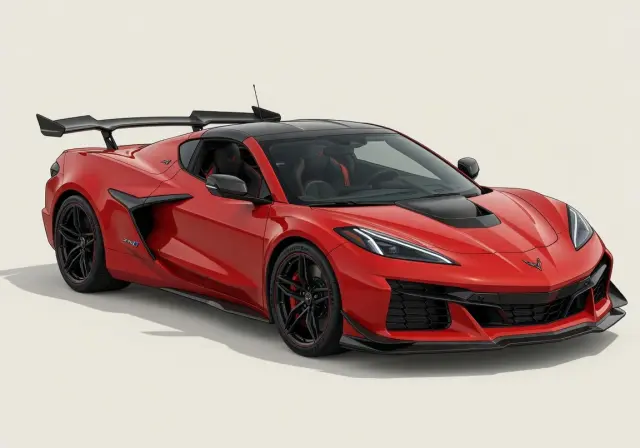 Chevrolet Corvette 1.80s
 - 2
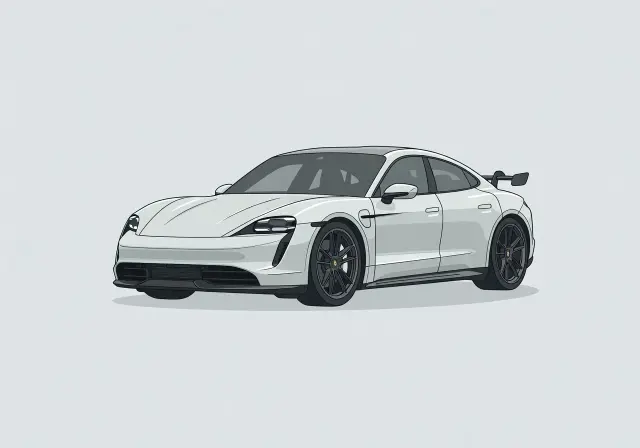 Porsche Taycan 1.89s
 - 3
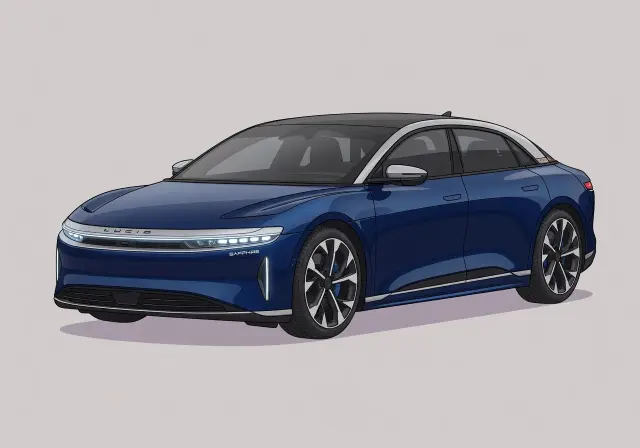 Lucid Air 1.90s
 - 4
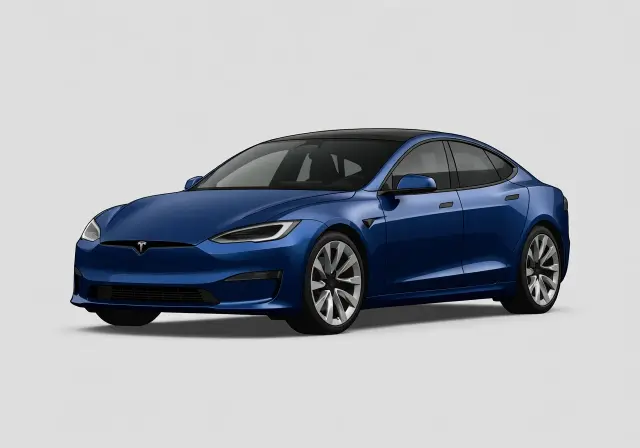 Tesla Model S 1.98s
 - 5
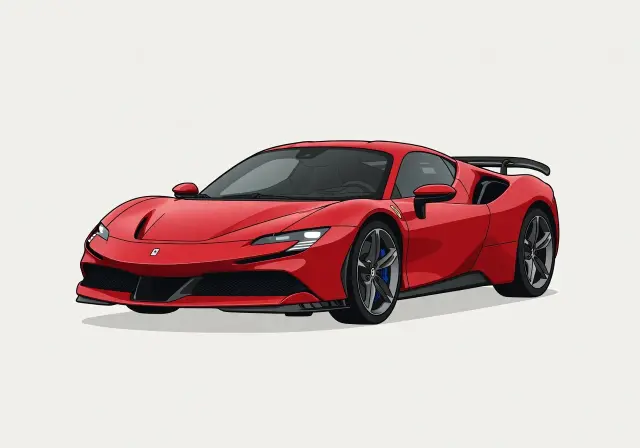 Ferrari SF90 Stradale 2.00s
 - 6
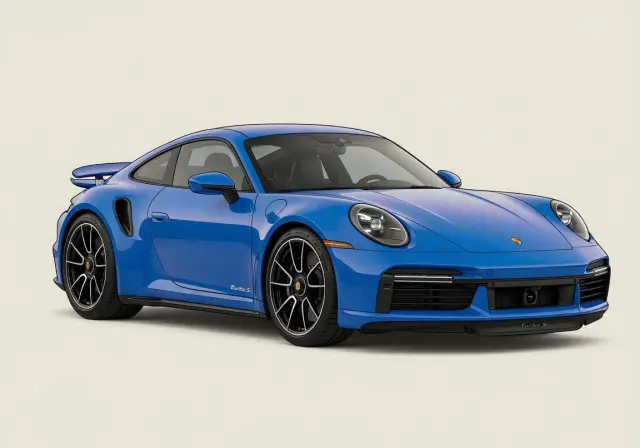 Porsche 911 2.00s
 - 7
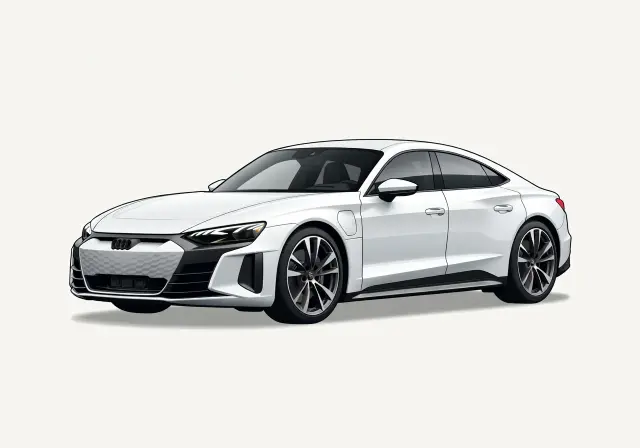 Audi RS e-tron GT 2.10s
 - 8
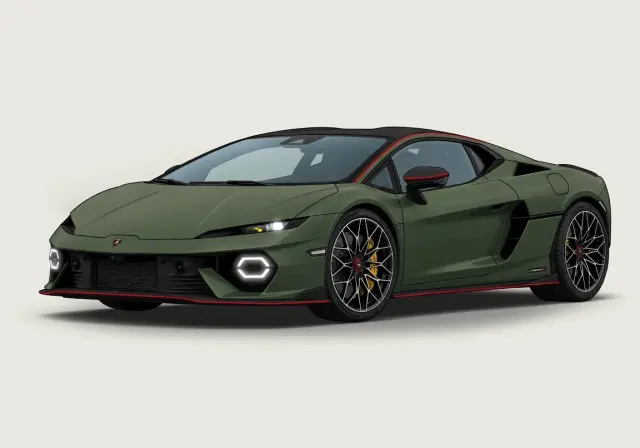 Lamborghini Temerario 2.10s
 - 9
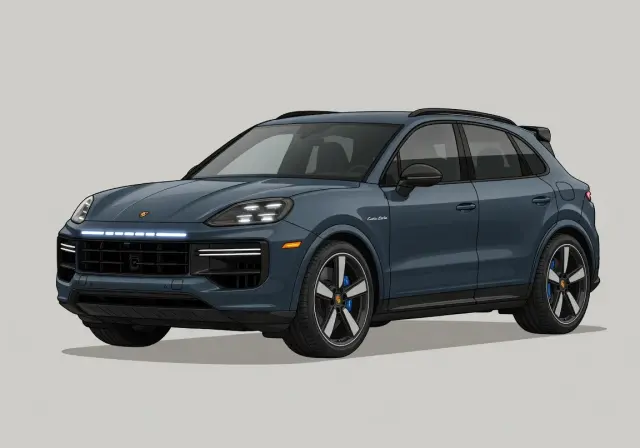 Porsche Cayenne 2.10s
 - 10
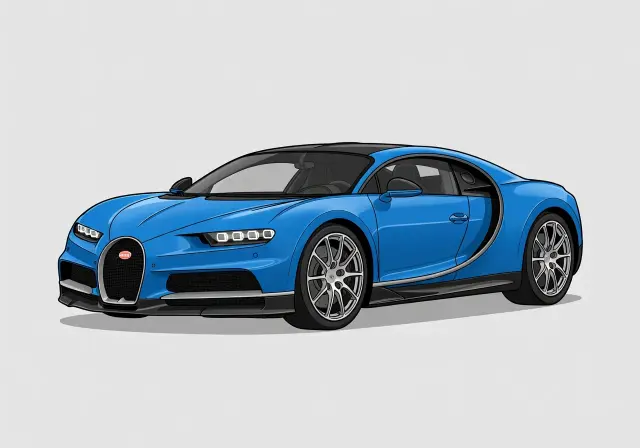 Bugatti Chiron 2.20s
02 /
Methodology & Eligibility
- Production-only by default. The canonical ranking counts factory-production vehicles. Use the toggle to include modified / tuner builds.
- One entry per model. Each model is represented by its single fastest verified result — repeated publication tests are collapsed.
- Ranked by 0–60 mph. Lower is faster; ties are broken by the earliest recorded test.
- Verified tests only. Every result comes from an independently published road test in our database.
03 /
Full Rankings
vehicles shown
04 /
Category Statistics
1.80sFastest 0–60 mph
4.70sMedian
4.93sAverage
11.80sSlowest qualifying
448Qualifying vehicles
Median is preferred over average — it is less influenced by a handful of exceptionally quick outliers. Statistics reflect production results only.
05 /
Common Traits Among the Fastest Cars of 2020's
This group is defined by traction-first layouts and substantial output. All-wheel drive accounts for 76% of the field, compared with 12% rear-wheel drive and 11% front-wheel drive. Average output stands at 422 hp and 439 lb-ft, while average weight is 4553 lb and median weight is 4400 lb.
On a power-to-weight basis, the group averages 92.7 hp per 1000 lb, or 10.8 lb per hp. Forced induction is common, with 40% turbocharged and 14% naturally aspirated, while manual transmissions make up just 3%. The model years run from 2020 to 2027, with an average year of 2023.
12%Rear-wheel drive
77%All-wheel drive
11%Front-wheel drive
424 hpAvg horsepower
440 lb-ftAvg torque
4,559 lbAvg curb weight
93.1 hp/1,000 lbPower-to-weight
3%Manual gearbox
40%Turbocharged
2023Avg model year
06 /
Why Horsepower Isn't Everything
Raw output helps, but it does not settle a 0-60 result on its own. This set averages 422 hp, yet its broader acceleration character is better captured by 92.7 hp per 1000 lb and 10.8 lb per hp. Weight matters because every launch asks the drivetrain to move mass, not just post a horsepower figure.
Gearing, tire grip, and drivetrain traction also shape the order. The heavy AWD bias at 76% shows how often traction is the limiting factor off the line. That is why a lighter or better-geared car can outperform a more powerful rival, especially when it puts power down more effectively.
Horsepower vs 0–60 mph
One dot per vehicle · 442 plotted 320 of 442 vehicles, evenly sampled
2s 4s 6s 8s 10s 12s 0 500 1,000 1,500 Horsepower → 0–60 mph (seconds) →
2s 4s 6s 8s 10s 12s 0 500 1,000 1,500 Horsepower → 0–60 mph (seconds) →
Top 10 ranked All other vehicles
Each dot is one vehicle at its fastest verified run. Exact figures for every point are in the full rankings.
07 /
Brands With the Most Cars of 2020's
08 /
Powertrain Breakdown
09 /
Cars of 2020's by Decade
Within this category, the decade snapshot centers on a 4.7-second median for 2020s models. That figure is useful because it represents the middle of a large modern field rather than just the headline leaders at the top of the ranking.
The decade range here runs only through the 2020s, covering 444 vehicles, so the main takeaway is not a cross-era comparison but the current baseline: today's mainstream performance in this set clusters around a sub-5-second launch, with the quickest entries dropping far below that median.
10 /
Records & Superlatives
The category leaders show how different powertrain routes arrive at very different launch results. The fastest naturally aspirated entry is the 2020 Lamborghini Huracan at 2.5 seconds, the quickest turbocharged car is the 2022 Bugatti Chiron at 2.2, and the fastest electric is the 2025 Porsche Taycan at 1.89.
By layout and transmission, the spread is even more instructive: AWD is led by the 2026 Chevrolet Corvette at 1.8, RWD by the 2023 Ferrari 296 GTB at 2.3, FWD by the 2025 Hyundai Elantra at 4.7, manual by the 2021 Lotus Evora at 4, and CVT by the 2024 Lexus TX 500h at 5.2. The gap points to traction and launch strategy as much as engine type.
12 /
Frequently Asked Questions
What is the quickest car in this 2020s ranking?
The current leader is 2026 Chevrolet Corvette, specifically the ZR1X Targa Coupe (3LZ, Carbon Fiber Aero, ZTK Track Performance Pack), with a 0–60 mph time of 1.8 seconds. It is a 2026 model rated at 1,250 hp, which shows how far launch performance has moved in this decade.
How many 2020s cars are included, and how wide is the performance range?
This ranking includes 448 vehicles. The field runs from the fastest result of 1.8 seconds at the top to 11.8 seconds at the bottom, so it covers everything from elite launch-focused models to much more typical modern entries.
What is a typical 0-60 mph time for 2020s cars here?
The median result is 4.7 seconds, which is the clearest read on what a middle-of-the-pack entry looks like. The average is 4.93 seconds, and comparing those two figures helps show how much the quickest outliers pull the overall mean downward.
Why are some lower-horsepower 2020s cars ranked above more powerful ones?
Because this page is ordered by 0–60 mph, not output. A car with less power can rank higher if it launches harder, shifts more effectively, carries less weight, or finds better traction. The list measures the result at 60 mph, not the spec sheet headline.
What qualifies a vehicle for this 2020s list?
A vehicle appears here if it is one of the Cars of 2020's with a recorded 0–60 mph result on 0-60 Specs. The ordering is based on that acceleration figure, so cars are placed by measured sprint time rather than by model year, body style, or power alone.