
Rankings are based on independently published 0–60 mph tests currently included in the 0–60 Specs database. Vehicles without a qualifying published test in our database are not included.
Fastest Cars of the 1990's from 0-60
Median 0–60 mph 7.50sec Average 7.63s
Qualifying Vehicles 272 1990–1999 model years
Verified Tests 1,183 Tests in this category
01 /
Top 10 Fastest by 0–60 mph
- 1
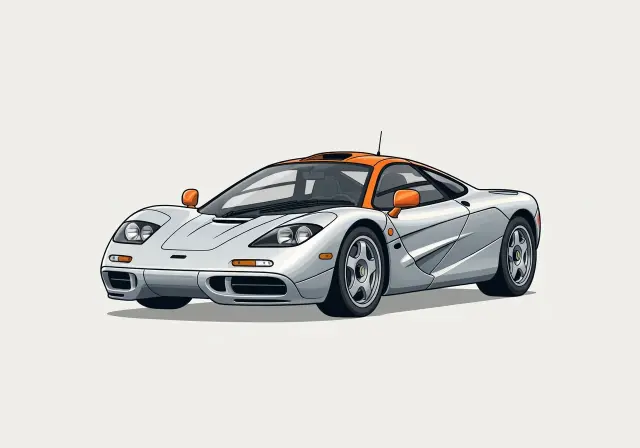 McLaren F1 3.20s
 - 2
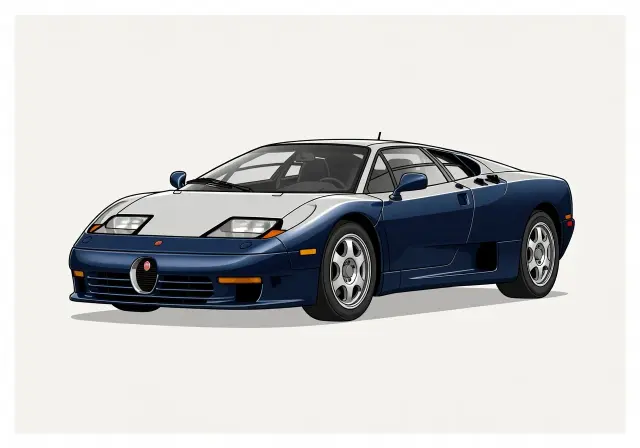 Bugatti EB 110 3.40s
 - 3
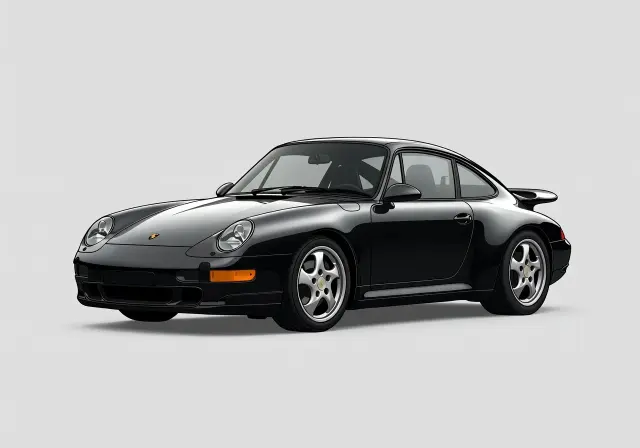 Porsche 911 3.60s
 - 4
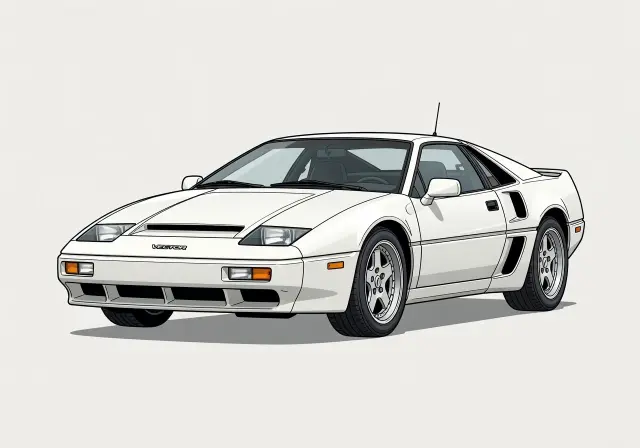 Vector W8 Twin Turbo 3.80s
 - 5
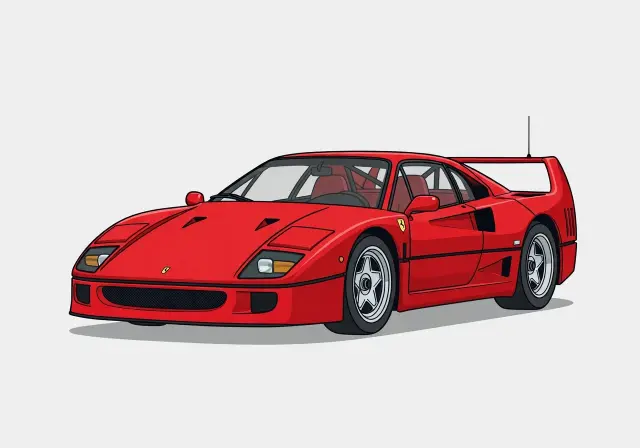 Ferrari F40 3.80s
 - 6
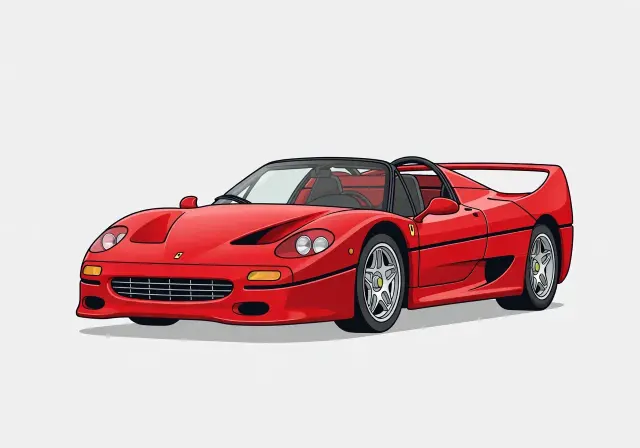 Ferrari F50 3.80s
 - 7
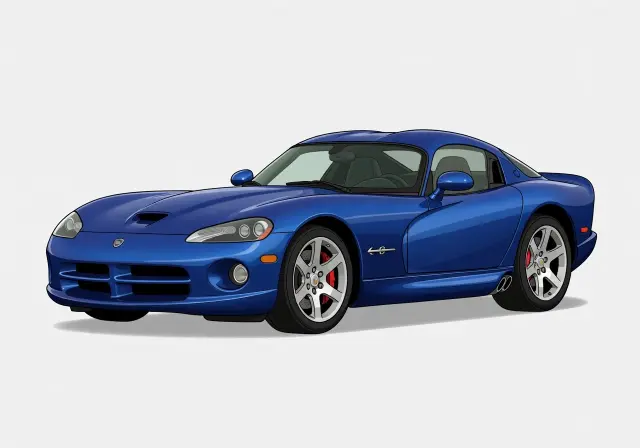 Dodge Viper 4.00s
 - 8
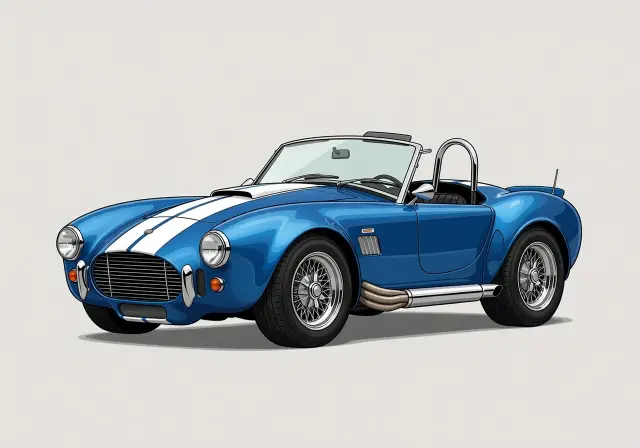 Shelby AC Cobra 4.10s
 - 9
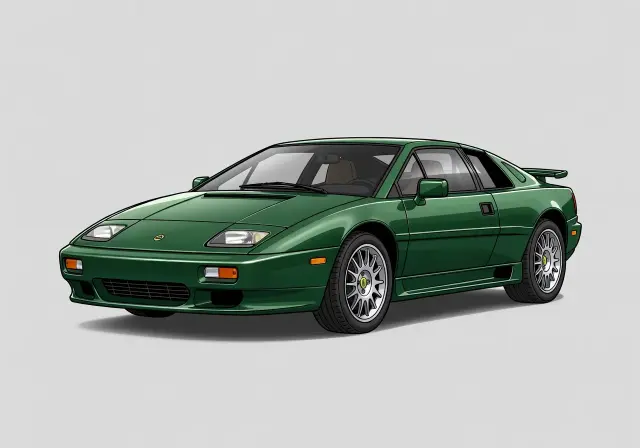 Lotus Esprit 4.10s
 - 10
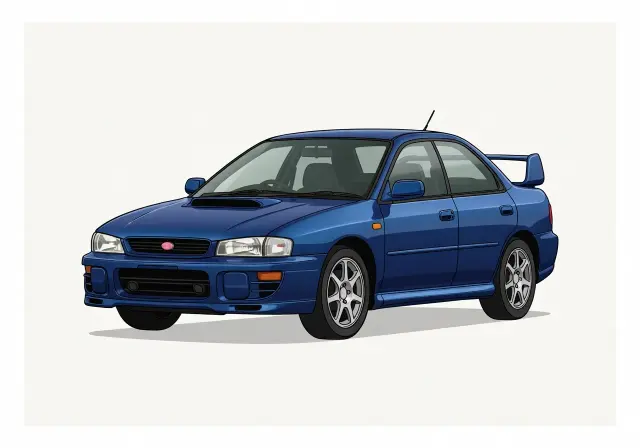 Subaru Impreza WRX 4.20s
02 /
Methodology & Eligibility
- Production-only by default. The canonical ranking counts factory-production vehicles. Use the toggle to include modified / tuner builds.
- One entry per model. Each model is represented by its single fastest verified result — repeated publication tests are collapsed.
- Ranked by 0–60 mph. Lower is faster; ties are broken by the earliest recorded test.
- Verified tests only. Every result comes from an independently published road test in our database.
03 /
Full Rankings
vehicles shown
04 /
Category Statistics
3.20sFastest 0–60 mph
7.50sMedian
7.63sAverage
16.60sSlowest qualifying
272Qualifying vehicles
Median is preferred over average — it is less influenced by a handful of exceptionally quick outliers. Statistics reflect production results only.
05 /
Common Traits Among the Fastest Cars of 1990's
This group spans 272 vehicles built from 1990 to 1999, with an average model year of 1995. Rear-wheel drive is the largest share at 42 percent, followed by front-wheel drive at 35 percent and all-wheel drive at 24 percent. Manual transmissions account for 44 percent of the field. Most are naturally aspirated at 81 percent, while 13 percent are turbocharged.
On average, these cars make 232 hp and 247 lb-ft, weigh 3561 lb, and sit at 15.4 lb per hp, or 66.1 hp per 1000 lb. The median weight is 3540 lb, which helps frame this set as a broad mix of mainstream and high-performance 1990s machines rather than a list made up only of low-volume exotics.
42%Rear-wheel drive
24%All-wheel drive
35%Front-wheel drive
232 hpAvg horsepower
247 lb-ftAvg torque
3,561 lbAvg curb weight
66.1 hp/1,000 lbPower-to-weight
44%Manual gearbox
13%Turbocharged
1995Avg model year
06 /
Why Horsepower Isn't Everything
Raw output matters, but it does not decide every launch on its own. In this field, the average car posts 232 hp, yet the more telling benchmark is the average power-to-weight ratio: 15.4 lb per hp, or 66.1 hp per 1000 lb. That is why lighter cars, or cars with shorter gearing, can outrun heavier rivals with bigger headline numbers.
Tires and traction also shape the result. A well-sorted all-wheel-drive car such as the 1993 Bugatti EB 110 can convert power cleanly, while a rear-drive car like the 1994 McLaren F1 shows how weight, gearing, and grip can let a naturally aspirated package punch above its output figure.
Horsepower vs 0–60 mph
One dot per vehicle · 271 plotted One dot per vehicle · 271 plotted
5s 10s 15s 0 200 400 600 Horsepower → 0–60 mph (seconds) →
5s 10s 15s 0 200 400 600 Horsepower → 0–60 mph (seconds) →
Top 10 ranked All other vehicles
Each dot is one vehicle at its fastest verified run. Exact figures for every point are in the full rankings.
07 /
Brands With the Most Cars of 1990's
08 /
Powertrain Breakdown
09 /
Cars of 1990's by Decade
Within this set, the decade median for the 1990s is 7.5 seconds across all 272 qualifying vehicles. That figure is the clearest snapshot of what typical performance looked like in the period, since it is less influenced by a few very quick halo cars at the top of the ranking.
Because only the 1990s are represented here, the main takeaway is internal rather than cross-era. Cars like the 1997 Porsche 911, 1991 Ferrari F40, and 1996 Subaru Impreza WRX sit well ahead of that 7.5-second midpoint, showing how far the decade's standout performers separated themselves from the broader market.
10 /
Records & Superlatives
The record cars show how different routes can arrive at quick 0-60 times. The naturally aspirated and rear-wheel-drive benchmark belongs to the 1994 McLaren F1 at 3.2 seconds, while the turbocharged and all-wheel-drive mark is the 1993 Bugatti EB 110 at 3.4. The automatic record is the 1991 Vector W8 Twin Turbo at 3.8.
Farther down the spread, the fastest front-wheel-drive entry is the 1997 Acura Integra at 6.2, and the electric record is the 1997 GM EV1 at 7.7. That range shows how layout and power delivery matter as much as aspiration type: the quickest combinations sit close together, while front-drive and early electric entries trail by a clear margin.
12 /
Frequently Asked Questions
What is the quickest car from the 1990s in this ranking?
The quickest entry is the 1994 McLaren F1, specifically the Coupe, with a 0–60 mph time of 3.2 seconds. It is also listed with 627 hp and comes from 1994, which puts it at the front of this 1990s field.
How many 1990s cars are included, and how wide is the performance spread?
This ranking includes 272 vehicles. The field runs from the class-leading 3.2 seconds at the top to 16.6 seconds at the bottom, so it captures both specialist performance models and much more typical road cars from the decade.
What is a typical 0-60 mph time for 1990s cars here?
A useful benchmark is the median of 7.5 seconds, which represents the middle of the ranking better than the most extreme results. The average is 7.63 seconds, giving another view of what overall acceleration looked like for Cars of 1990's in this group.
Why is the order based on 0-60 mph instead of horsepower?
The list is sorted by 0–60 mph because that measures real acceleration outcome, not just engine output. Weight, gearing, tire grip, and drivetrain all affect how quickly a car reaches 60 mph, so two vehicles with different power can finish very close together.
What qualifies a car for this 1990s ranking?
To appear here, a vehicle needs to fit the Cars of 1990's category and have a recorded 0–60 mph result. Once it qualifies, it is placed by acceleration time, from the quickest result to the slowest listed entry.