
Rankings are based on independently published 0–60 mph tests currently included in the 0–60 Specs database. Vehicles without a qualifying published test in our database are not included.
Fastest Cars of the 2000's from 0-60
Median 0–60 mph 6.10sec Average 6.31s
Qualifying Vehicles 431 2000–2009 model years
Verified Tests 2,906 Tests in this category
01 /
Top 10 Fastest by 0–60 mph
- 1
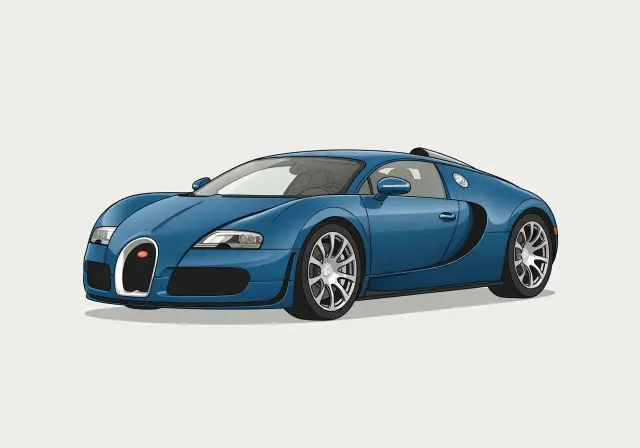 Bugatti Veyron 16.4 2.50s
 - 2
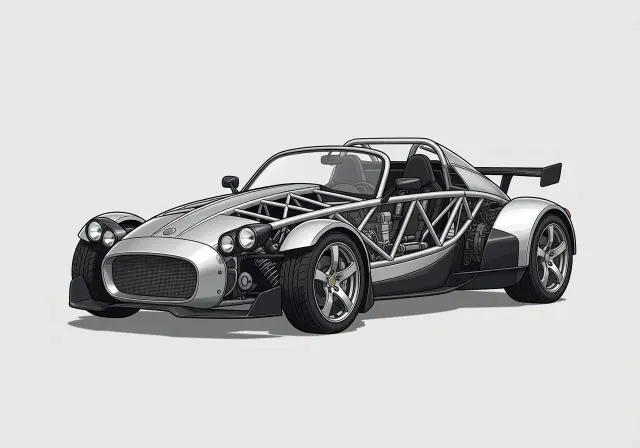 Ariel Atom 2.90s
 - 3
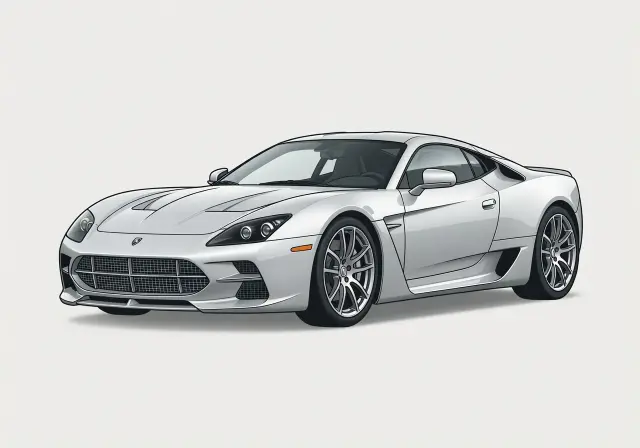 Mosler MT900 3.10s
 - 4
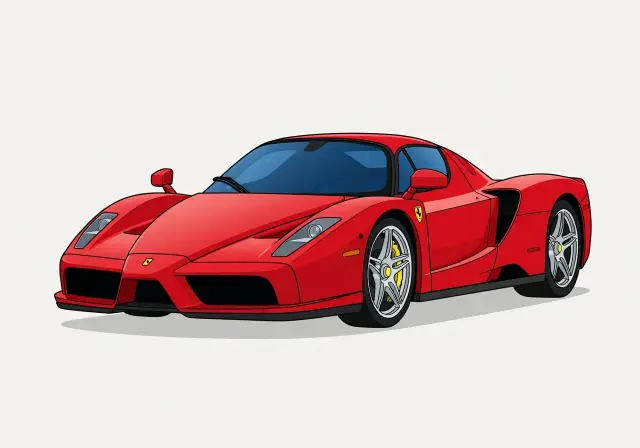 Ferrari Enzo 3.10s
 - 5
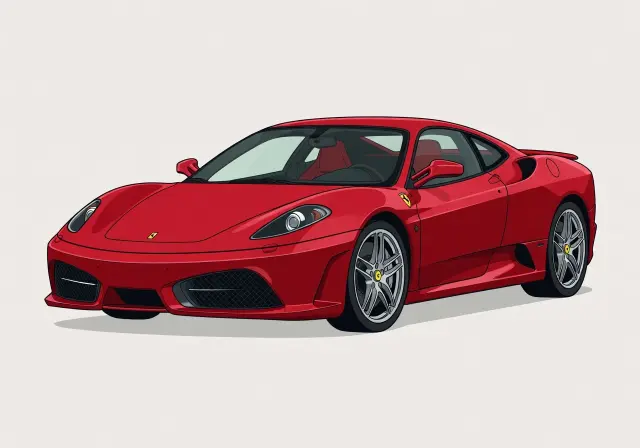 Ferrari 430 3.10s
 - 6
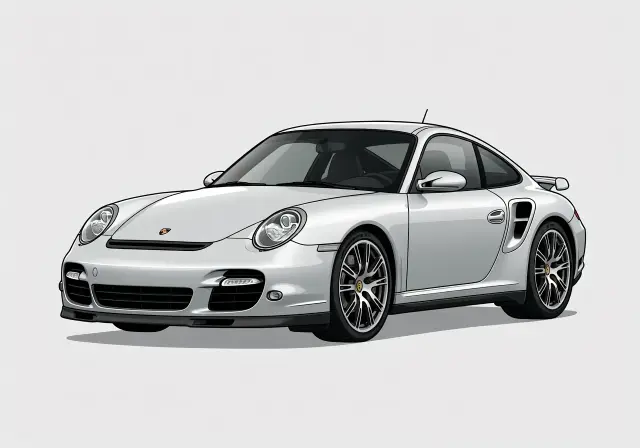 Porsche 911 3.20s
 - 7
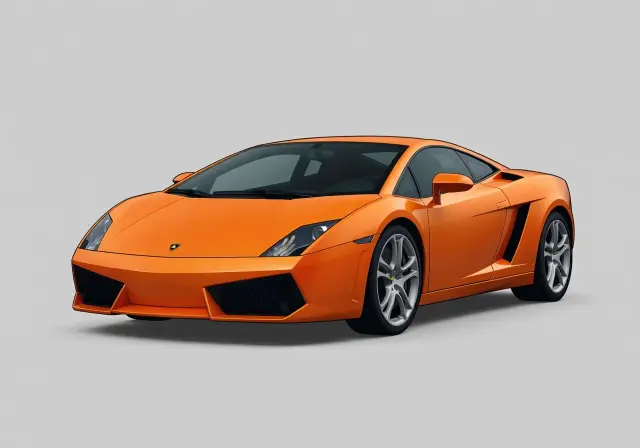 Lamborghini Gallardo 3.20s
 - 8
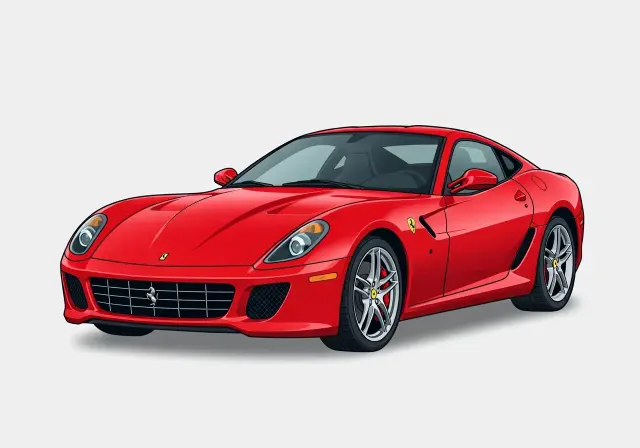 Ferrari 599 3.20s
 - 9
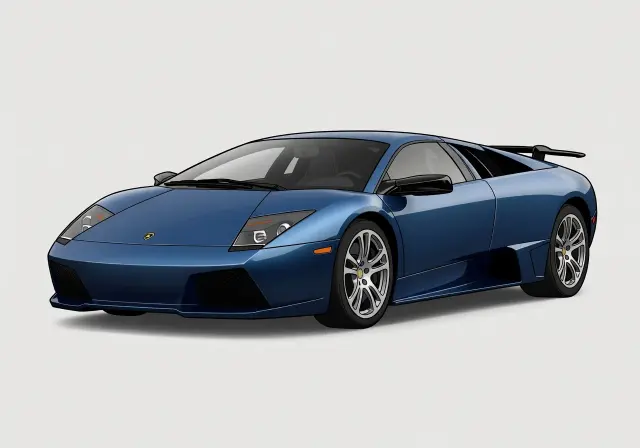 Lamborghini Murciélago 3.20s
 - 10
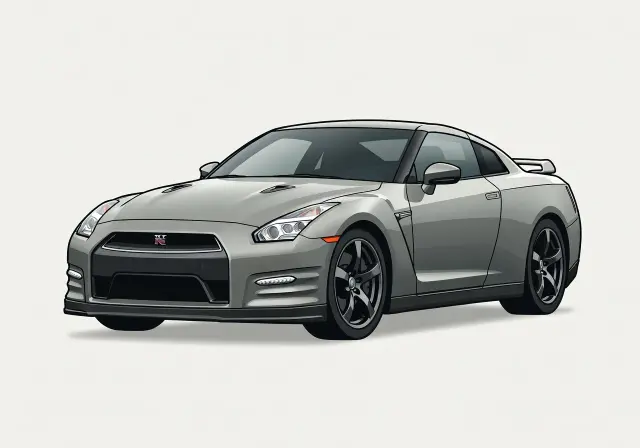 Nissan GT-R 3.20s
02 /
Methodology & Eligibility
- Production-only by default. The canonical ranking counts factory-production vehicles. Use the toggle to include modified / tuner builds.
- One entry per model. Each model is represented by its single fastest verified result — repeated publication tests are collapsed.
- Ranked by 0–60 mph. Lower is faster; ties are broken by the earliest recorded test.
- Verified tests only. Every result comes from an independently published road test in our database.
03 /
Full Rankings
vehicles shown
04 /
Category Statistics
2.50sFastest 0–60 mph
6.10sMedian
6.31sAverage
14.20sSlowest qualifying
431Qualifying vehicles
Median is preferred over average — it is less influenced by a handful of exceptionally quick outliers. Statistics reflect production results only.
05 /
Common Traits Among the Fastest Cars of 2000's
This group spans 431 vehicles from 2000 to 2009 and leans rear-drive, with RWD at 42%, AWD at 34%, and FWD at 25%. Average output is 310 hp and 309 lb-ft, while average weight is 3916 lb and median weight is 3850 lb. That leaves the class at 80.4 hp per 1000 lb, or 12.6 lb per hp.
Most entries are naturally aspirated, which account for 74%, while turbocharged models make up 16%. Manuals represent 32% of the field, so most cars here use something else. The quickest examples include the 2008 Bugatti Veyron 16.4, 2009 Ariel Atom, and 2003 Ferrari Enzo.
42%Rear-wheel drive
34%All-wheel drive
25%Front-wheel drive
310 hpAvg horsepower
309 lb-ftAvg torque
3,916 lbAvg curb weight
80.4 hp/1,000 lbPower-to-weight
32%Manual gearbox
16%Turbocharged
2006Avg model year
06 /
Why Horsepower Isn't Everything
Horsepower sets the ceiling, but it does not by itself decide a 0-60 result. This set averages 310 hp, yet it also averages 3916 lb, which is why the more telling group figure is 80.4 hp per 1000 lb, or 12.6 lb per hp. Weight changes how effectively a given output moves the car from rest.
Gearing, tire grip, and traction matter just as much. AWD cars can deploy power differently than FWD or RWD cars, and short gearing can make a modest-output car feel quicker in this test. That is why a light or well-geared car can outperform heavier rivals with more power, even within a field led by cars such as the Nissan GT-R and Porsche 911.
Horsepower vs 0–60 mph
One dot per vehicle · 430 plotted 320 of 430 vehicles, evenly sampled
2.5s 5s 7.5s 10s 12.5s 15s 0 200 400 600 800 1,000 Horsepower → 0–60 mph (seconds) →
2.5s 5s 7.5s 10s 12.5s 15s 0 200 400 600 800 1,000 Horsepower → 0–60 mph (seconds) →
Top 10 ranked All other vehicles
Each dot is one vehicle at its fastest verified run. Exact figures for every point are in the full rankings.
07 /
Brands With the Most Cars of 2000's
08 /
Powertrain Breakdown
09 /
Cars of 2000's by Decade
For this category, the decade view is focused entirely on the 2000s. Across all 431 entries from that period, the median 0-60 mph time is 6.1. That places the typical car well behind the very quickest outliers at the top, which cluster from 2.5 to 3.2.
Because only the 2000s are represented here, the decade comparison is less about change between eras and more about the performance center of this specific period. In other words, while a few models from Ferrari, Lamborghini, and Bugatti define the ceiling, 6.1 describes the middle of the pack.
10 /
Records & Superlatives
The record holders show how broad this class really is. Naturally aspirated honors go to the 2003 Ferrari Enzo at 3.1, turbocharged and AWD are both led by the 2008 Bugatti Veyron 16.4 at 2.5, and the electric benchmark is the 2009 Tesla Roadster at 4.
By layout and transmission, the spread remains wide. Rear-wheel drive and manual are led by the 2009 Ariel Atom at 2.9, front-wheel drive by the 2007 Mazda Mazdaspeed3 at 5.4, automatic by the Veyron at 2.5, and dual-clutch by the 2009 Porsche Boxster at 4.3. The gap between formats shows that drivetrain and transmission shape launch performance as much as engine type.
12 /
Frequently Asked Questions
What is the quickest car from the 2000s in this 0-60 mph ranking?
The quickest entry is 2008 Bugatti Veyron 16.4, specifically the Coupe from 2008. It reaches 60 mph in 2.5 seconds and is listed with 1,001 hp. That makes it the benchmark for this group when sorted by 0–60 mph.
How many 2000s cars are included, and how wide is the performance range?
This ranking includes 431 vehicles. The field runs from the leader at 2.5 seconds to the slowest qualifying result at 14.2 seconds, which shows a broad spread between specialized performance cars and more ordinary entries from the same decade.
What does a typical 2000s car run from 0-60 mph here?
The median result is 6.1 seconds, which is the clearest snapshot of typical performance in this set. The average is 6.31 seconds, and that can be pulled upward by a mix of very quick models at the top and slower cars deeper in the ranking.
Why is the order based on 0-60 mph instead of horsepower?
The ranking is ordered by 0–60 mph because it reflects the actual acceleration result, not just engine output. Weight, gearing, traction, and drivetrain all affect the final number, so cars with less power can still place ahead of stronger but less efficient rivals.
What qualifies a vehicle for this 2000s list?
A vehicle qualifies if it is one of the Cars of 2000's with a recorded 0–60 mph result in this database. The page then sorts those qualifying entries by quickest time, from the record holder down to the slowest listed example.