
Rankings are based on independently published 0–60 mph tests currently included in the 0–60 Specs database. Vehicles without a qualifying published test in our database are not included.
Fastest Cars of the 1980's from 0-60
Median 0–60 mph 8.90sec Average 9.11s
Qualifying Vehicles 150 1980–1989 model years
Verified Tests 455 Tests in this category
01 /
Top 10 Fastest by 0–60 mph
- 1
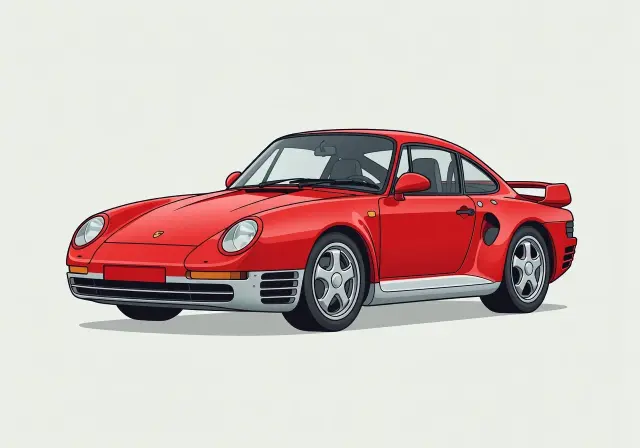 Porsche 959 3.60s
 - 2
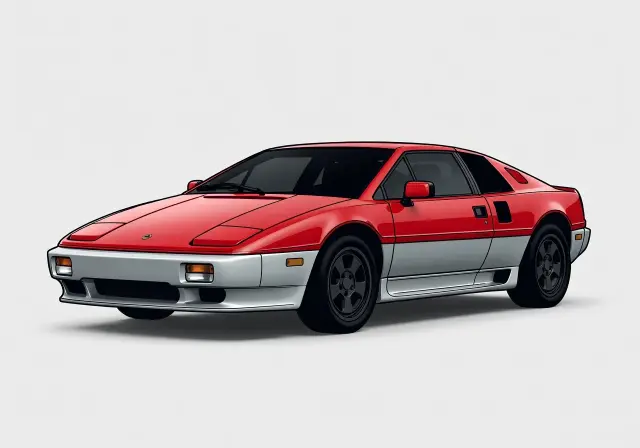 Lotus Esprit 4.50s
 - 3
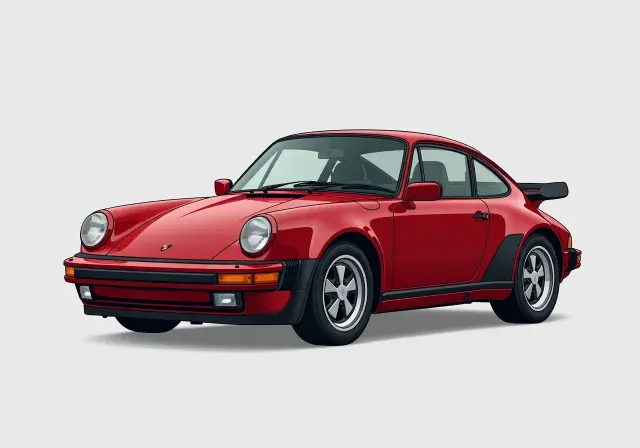 Porsche 911 4.60s
 - 4
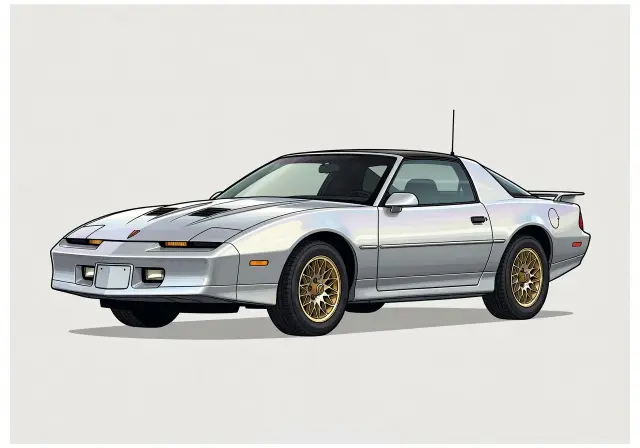 Pontiac Firebird 4.60s
 - 5
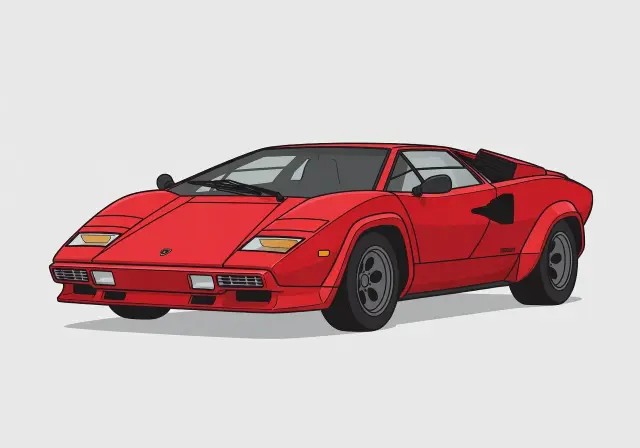 Lamborghini Countach 4.70s
 - 6
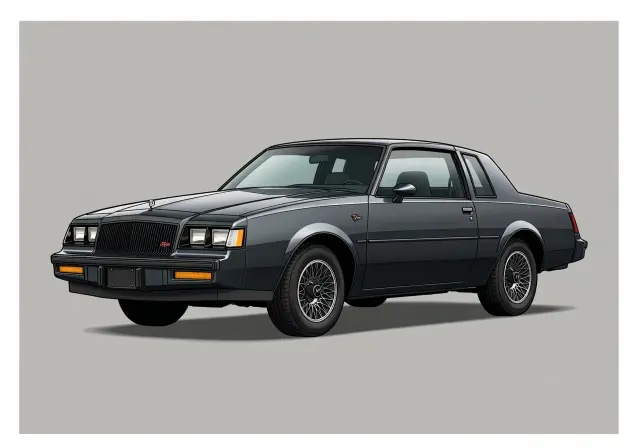 Buick Regal 4.70s
 - 7
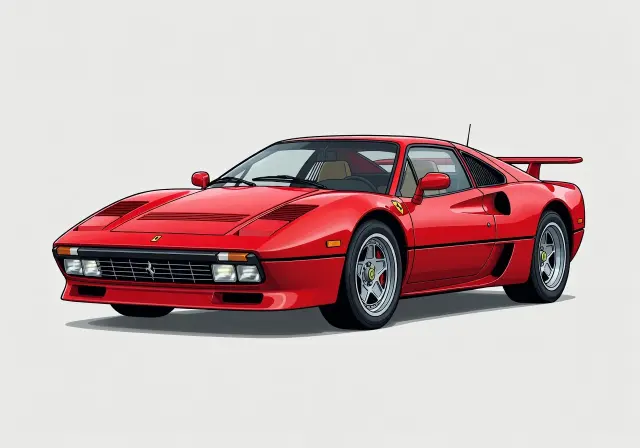 Ferrari 288 GTO 5.00s
 - 8
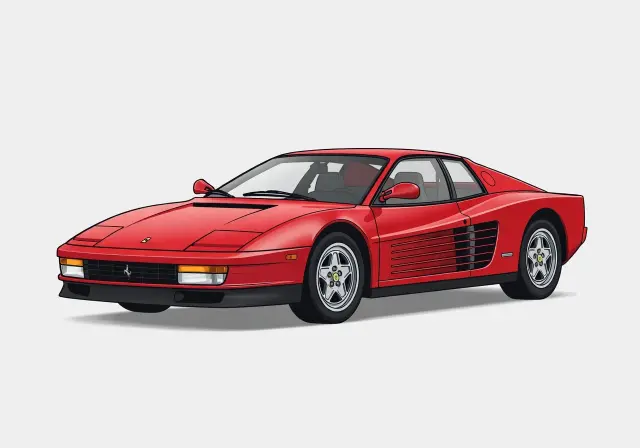 Ferrari Testarossa 5.00s
 - 9
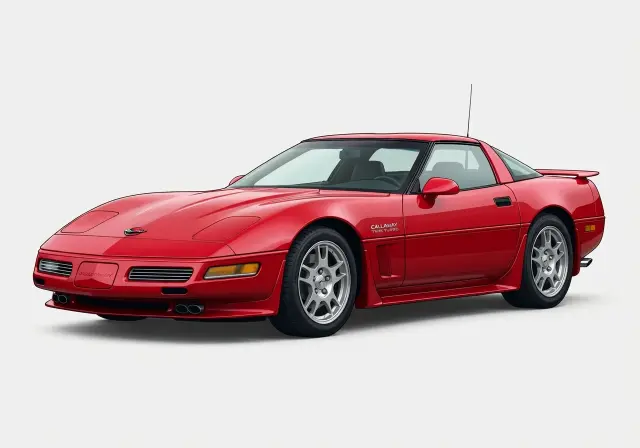 Chevrolet Corvette 5.10s
 - 10
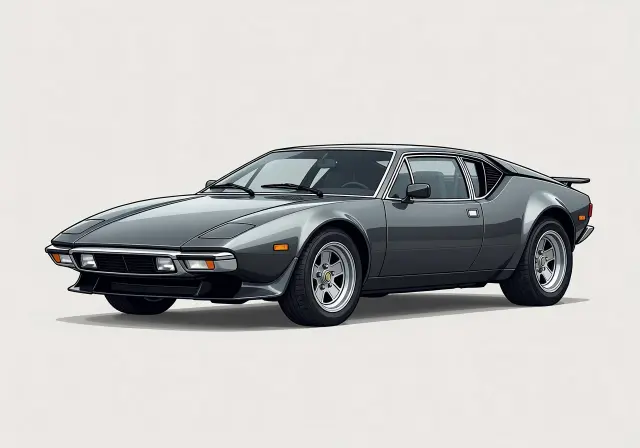 De Tomaso Pantera 5.20s
02 /
Methodology & Eligibility
- Production-only by default. The canonical ranking counts factory-production vehicles. Use the toggle to include modified / tuner builds.
- One entry per model. Each model is represented by its single fastest verified result — repeated publication tests are collapsed.
- Ranked by 0–60 mph. Lower is faster; ties are broken by the earliest recorded test.
- Verified tests only. Every result comes from an independently published road test in our database.
03 /
Full Rankings
vehicles shown
04 /
Category Statistics
3.60sFastest 0–60 mph
8.90sMedian
9.11sAverage
21.13sSlowest qualifying
150Qualifying vehicles
Median is preferred over average — it is less influenced by a handful of exceptionally quick outliers. Statistics reflect production results only.
05 /
Common Traits Among the Fastest Cars of 1980's
This group is weighted toward rear-wheel drive, with 76 cars and 51 percent of the field, followed by 54 front-wheel-drive cars at 36 percent and 19 all-wheel-drive cars at 13 percent. Manuals account for 71 percent, showing how closely this era's quickest runs were tied to driver-controlled gearboxes.
On average, these cars make 170 hp and 194 lb-ft while weighing 3144 lb, which works out to 53.7 hp per 1000 lb and 18.5 lb per hp. Naturally aspirated setups dominate at 79 percent, while turbocharged models make up 20 percent, so the mix leans more on straightforward engine layouts than boost.
51%Rear-wheel drive
13%All-wheel drive
36%Front-wheel drive
170 hpAvg horsepower
194 lb-ftAvg torque
3,144 lbAvg curb weight
53.7 hp/1,000 lbPower-to-weight
71%Manual gearbox
20%Turbocharged
1986Avg model year
06 /
Why Horsepower Isn't Everything
Raw output alone does not settle a 0-60 mph result. Across this field, the average is 170 hp, yet the more useful context is 53.7 hp per 1000 lb and 18.5 lb per hp, because acceleration depends on how much mass that power has to move. A lighter car can turn modest output into a stronger launch than a heavier rival.
Gearing, tire grip, and drivetrain traction matter just as much once the stopwatch starts. That is why an all-wheel-drive 1987 Porsche 959 leads the list, and why well-geared or lighter cars such as the 1989 Lotus Esprit can run near more powerful machinery. The ranking reflects the whole package, not just peak hp.
Horsepower vs 0–60 mph
One dot per vehicle · 149 plotted One dot per vehicle · 149 plotted
5s 10s 15s 20s 100 200 300 400 Horsepower → 0–60 mph (seconds) →
5s 10s 15s 20s 100 200 300 400 Horsepower → 0–60 mph (seconds) →
Top 10 ranked All other vehicles
Each dot is one vehicle at its fastest verified run. Exact figures for every point are in the full rankings.
07 /
Brands With the Most Cars of 1980's
08 /
Powertrain Breakdown
09 /
Cars of 1980's by Decade
Within this set, the time span runs from 1980 to 1989, with an average model year of 1986. The decade-level median for the 1980s is 8.9, which gives a clear snapshot of what typical 0-60 mph performance looked like across the period rather than only at the very top end.
Because the available decade breakdown here includes only the 1980s, the main takeaway is not a cross-decade comparison but the gap between the class median and the leading cars. That contrast shows how a few standout models, including the 1987 Porsche 959, pushed well ahead of the broader market during the decade.
10 /
Records & Superlatives
The record holders show how much configuration shapes the result. The fastest naturally aspirated entry is the 1987 Lamborghini Countach at 4.7, while the turbocharged benchmark is the 1987 Porsche 959 at 3.6. By drivetrain, rear-wheel drive bottoms out at 4.5 in the 1989 Lotus Esprit, front-wheel drive at 6.7 in the Ford Taurus, and all-wheel drive again at 3.6 in the Porsche 959.
Transmission records point the same way. The quickest manual is the Porsche 959 at 3.6, while the quickest automatic is the 1989 Pontiac Firebird at 4.6. The spread shows that forced induction and traction had a larger effect at the top of this decade than drivetrain simplicity alone.
12 /
Frequently Asked Questions
What is the quickest car from the 1980s in this 0-60 mph ranking?
The quickest entry is 1987 Porsche 959, which posts 3.6 seconds. It sits at the top of the field for this measure, making it the benchmark for how fast the best-performing 1980s examples reached 60 mph.
How many cars are included, and what is the overall performance range?
This ranking includes 150 vehicles. The field runs from the class-leading 3.6 seconds at the top to 21.13 seconds at the bottom, which gives a broad view of how much 0-60 mph performance varied across Cars of 1980's.
What does a typical 1980s car in this ranking do from 0-60 mph?
The median result is 8.9 seconds, which is the clearest picture of a typical entry in this group. The average comes out to 9.11 seconds, but the median is often more useful because it is less affected by the quickest outliers.
Why is the order based on 0-60 mph time instead of horsepower?
The ranking is ordered by 0–60 mph, so the lower time places higher. That matters because horsepower alone does not capture weight, traction, gearing, or launch efficiency, all of which directly affect how quickly a car reaches 60 mph.
What qualifies a vehicle for this list of 1980s cars?
A vehicle qualifies if it is one of the Cars of 1980's with a recorded 0–60 mph result in this group. The list is then sorted by that measured time, so inclusion depends on having a valid acceleration figure rather than a specific engine size or body style.