
Rankings are based on independently published 0–60 mph tests currently included in the 0–60 Specs database. Vehicles without a qualifying published test in our database are not included.
Fastest Cars of the 1960's from 0-60
Median 0–60 mph 8.00sec Average 9.63s
Qualifying Vehicles 59 1960–1969 model years
Verified Tests 173 Tests in this category
01 /
Top 10 Fastest by 0–60 mph
- 1
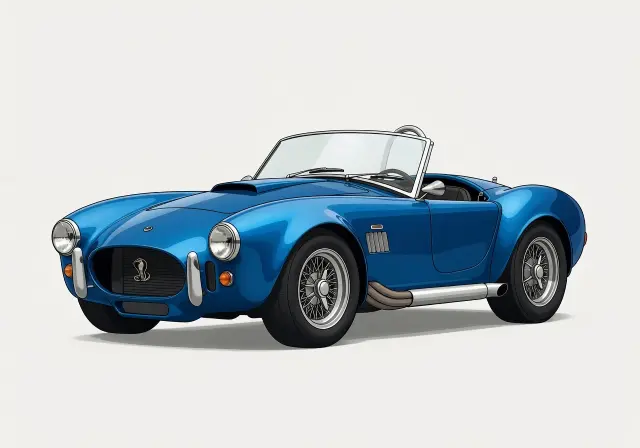 Shelby AC Cobra 4.20s
 - 2
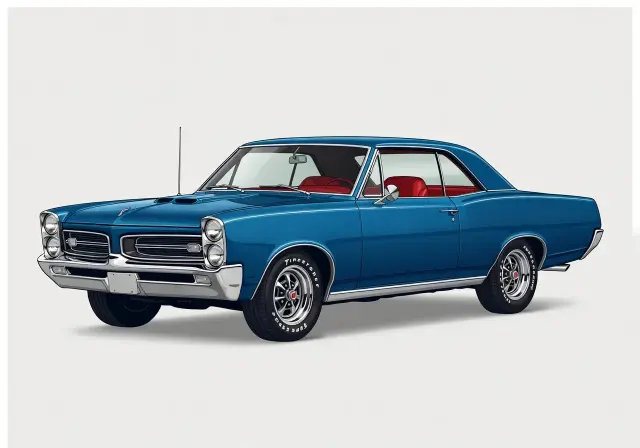 Pontiac Tempest 4.60s
 - 3
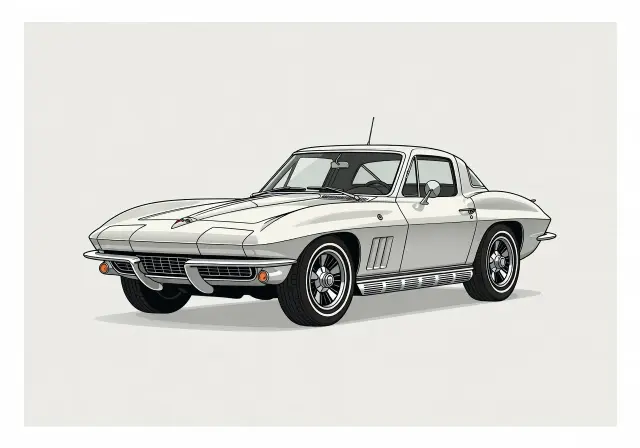 Chevrolet Corvette 4.70s
 - 4
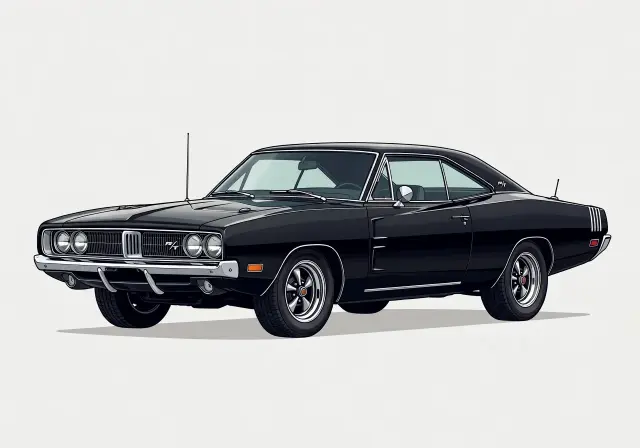 Dodge Charger 4.80s
 - 5
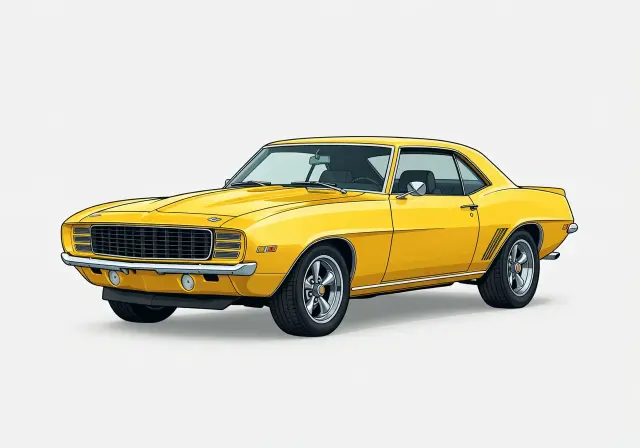 Chevrolet Camaro 5.30s
 - 6
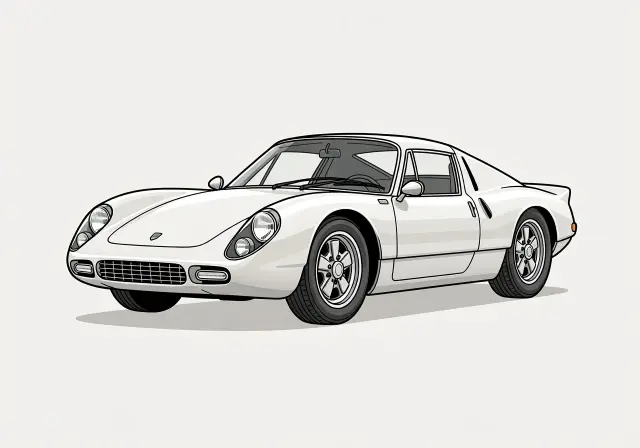 Porsche 904 5.30s
 - 7
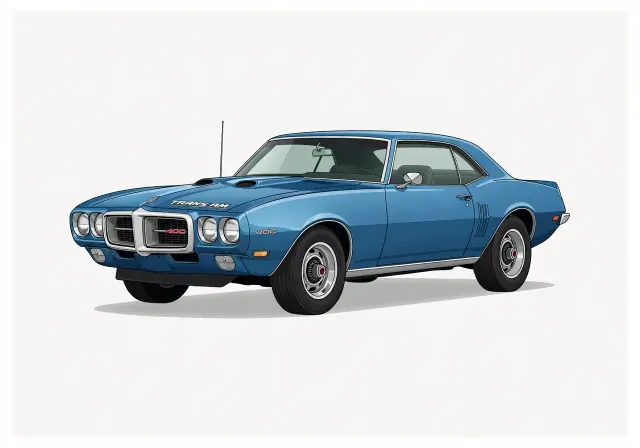 Pontiac Firebird 5.50s
 - 8
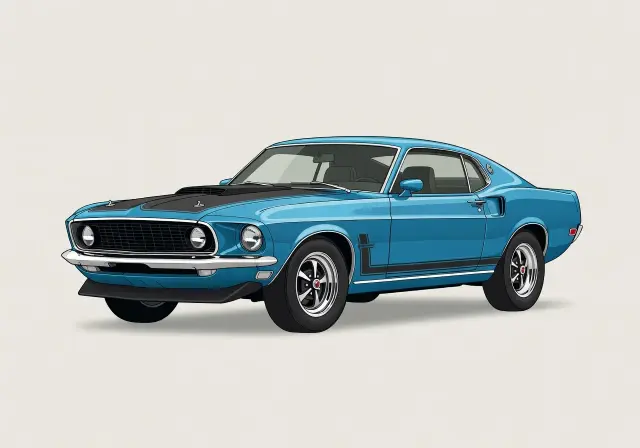 Ford Mustang 5.70s
 - 9
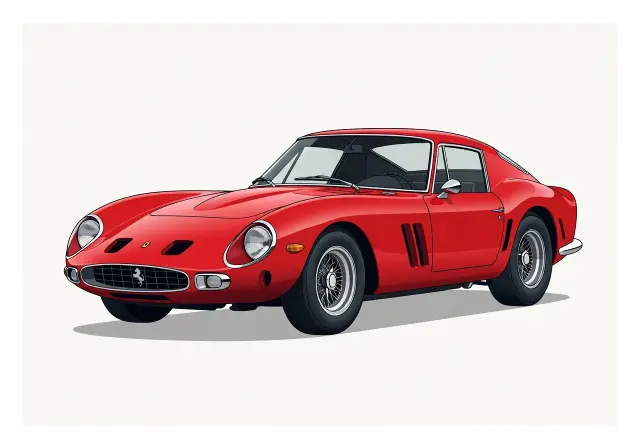 Ferrari 250 5.80s
 - 10
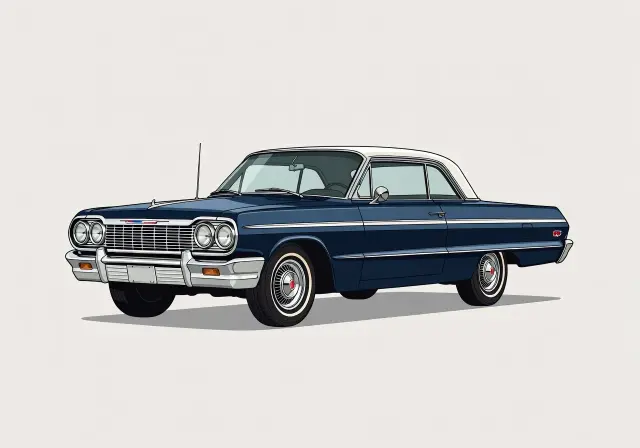 Chevrolet Impala 6.30s
02 /
Methodology & Eligibility
- Production-only by default. The canonical ranking counts factory-production vehicles. Use the toggle to include modified / tuner builds.
- One entry per model. Each model is represented by its single fastest verified result — repeated publication tests are collapsed.
- Ranked by 0–60 mph. Lower is faster; ties are broken by the earliest recorded test.
- Verified tests only. Every result comes from an independently published road test in our database.
03 /
Full Rankings
vehicles shown
04 /
Category Statistics
4.20sFastest 0–60 mph
8.00sMedian
9.63sAverage
21.70sSlowest qualifying
59Qualifying vehicles
Median is preferred over average — it is less influenced by a handful of exceptionally quick outliers. Statistics reflect production results only.
05 /
Common Traits Among the Fastest Cars of 1960's
This group is overwhelmingly rear-wheel drive: 56 cars, or 95 percent, versus 2 front-wheel-drive entries at 3 percent and 1 all-wheel-drive entry at 2 percent. Manuals make up 69 percent of the field. Every qualifying car is gasoline-powered and naturally aspirated, with 0 percent turbocharged and 100 percent naturally aspirated.
Output and mass cluster around classic grand touring and muscle-era norms. Average horsepower is 243, average torque is 267, average weight is 3029 pounds, and median weight is 3200 pounds. That leaves the group at 76.7 horsepower per 1000 pounds, or 12.4 pounds per horsepower, across model years from 1960 to 1969.
95%Rear-wheel drive
2%All-wheel drive
3%Front-wheel drive
243 hpAvg horsepower
267 lb-ftAvg torque
3,029 lbAvg curb weight
76.7 hp/1,000 lbPower-to-weight
69%Manual gearbox
0%Turbocharged
1966Avg model year
06 /
Why Horsepower Isn't Everything
Raw output helps, but this ranking shows why it is only part of the launch equation. The average car here makes 243 horsepower, yet the more useful summary for acceleration is the group's 76.7 horsepower per 1000 pounds, along with its 12.4 pounds per horsepower. Weight changes how effectively horsepower turns into 0-60 mph time.
Gearing, tire grip, and drivetrain layout matter too, especially off the line. A lighter car or one with shorter gearing can outrun a heavier rival with more power, while traction can limit how much of that power reaches the road. That is why some focused entries such as the 1962 Shelby AC Cobra and 1964 Porsche 904 stand out.
Horsepower vs 0–60 mph
One dot per vehicle · 59 plotted One dot per vehicle · 59 plotted
5s 10s 15s 20s 0 100 200 300 400 500 Horsepower → 0–60 mph (seconds) →
5s 10s 15s 20s 0 100 200 300 400 500 Horsepower → 0–60 mph (seconds) →
Top 10 ranked All other vehicles
Each dot is one vehicle at its fastest verified run. Exact figures for every point are in the full rankings.
07 /
Brands With the Most Cars of 1960's
08 /
Powertrain Breakdown
09 /
Cars of 1960's by Decade
Within this set, the time span is limited to model years 1960 through 1969, so there is only one decade-level benchmark rather than a multi-decade progression. For the 1960s slice, covering all 59 qualifying cars, the median 0-60 mph time is 8 seconds.
That single median is useful because it describes the center of the era better than a few standout cars at the top. It shows that while the quickest examples from Chevrolet, Pontiac, and Ferrari were much quicker, the typical 1960s entry still sat at 8 seconds to 60 mph.
10 /
Records & Superlatives
The record holders are tightly concentrated around naturally aspirated rear-wheel-drive cars, which reflects the makeup of the list itself. The fastest naturally aspirated, rear-wheel-drive, and manual car is the 1962 Shelby AC Cobra at 4.2 seconds, while the quickest automatic is the 1968 Dodge Charger at 4.8 seconds.
Across drivetrains, the spread is much wider. The all-wheel-drive record belongs to the 1963 Jeep Wagoneer at 16.1 seconds, and the front-wheel-drive mark goes to the 1968 Cadillac Eldorado at 8.6 seconds. There are no turbocharged or electric entries here, so the contrast is really between layout, transmission, and vehicle mission rather than powertrain technology.
12 /
Frequently Asked Questions
Which car is quickest in this 1960s ranking?
The quickest entry is 1962 Shelby AC Cobra, specifically the 260 Roadster, with a verified 0–60 mph time of 4.2 seconds. It represents the benchmark for this group and sets the pace for every other qualifying model from the decade.
How many 1960s cars are included, and how wide is the performance spread?
This ranking includes 59 vehicles. The field runs from the class-leading 4.2 seconds set by 1962 Shelby AC Cobra to the slowest qualifying run of 21.7 seconds, which gives a clear sense of how broad 1960s straight-line performance could be.
What is a typical 0-60 mph time for these cars?
A typical result is best judged by the median, which is 8 seconds. The average across the full ranking is 9.63 seconds, so most readers can use those two figures together to understand what the middle of the field looks like, not just the quickest outlier.
Why is the order based on 0-60 mph instead of horsepower?
Because 0–60 mph measures what the car actually does on the road. Horsepower matters, but launch traction, gearing, drivetrain layout, and weight all affect the result, so the ranking is sorted by recorded acceleration rather than engine output alone.
What qualifies a vehicle for this list?
To appear here, a model has to be one of the Cars of 1960's and have a recorded 0–60 mph result. Once it qualifies, placement is determined by quickest time first, so readers can compare the entire decade on one consistent acceleration measure.