
Rankings are based on independently published 0–60 mph tests currently included in the 0–60 Specs database. Vehicles without a qualifying published test in our database are not included.
Fastest Cars of the 2023 from 0-60
Median 0–60 mph 5.20sec Average 5.25s
Qualifying Vehicles 159 2023–2023 model years
Verified Tests 407 Tests in this category
01 /
Top 10 Fastest by 0–60 mph
- 1
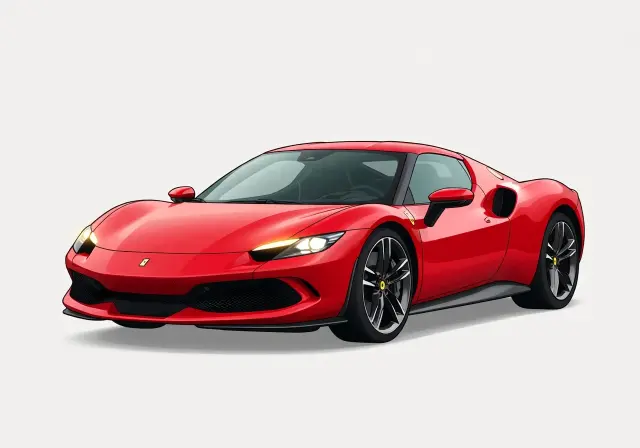 Ferrari 296 GTB 2.30s
 - 2
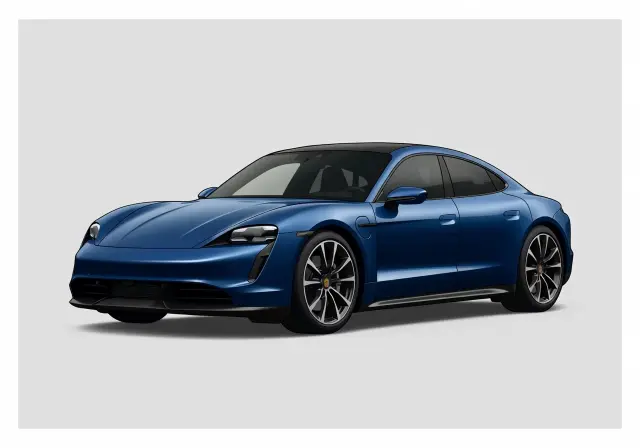 Porsche Taycan 2.40s
 - 3
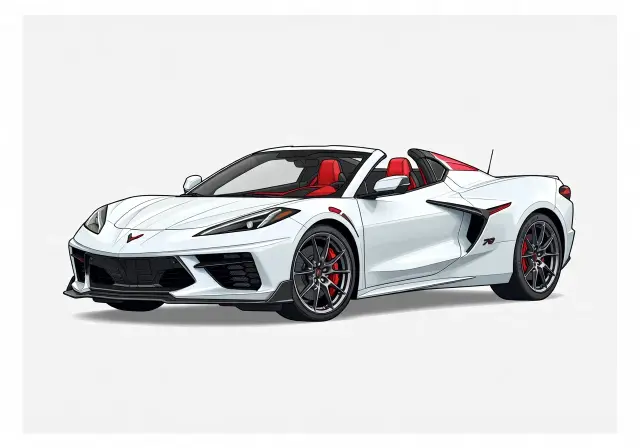 Chevrolet Corvette 2.60s
 - 4
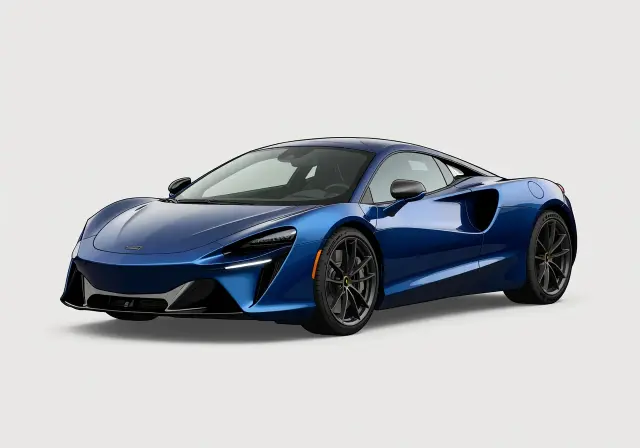 McLaren Artura 2.60s
 - 5
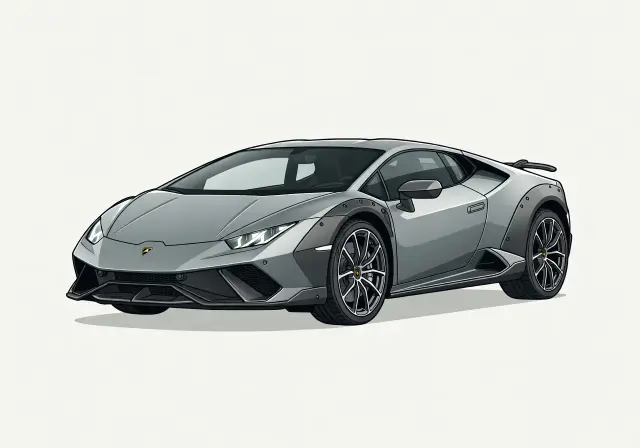 Lamborghini Huracán 2.60s
 - 6
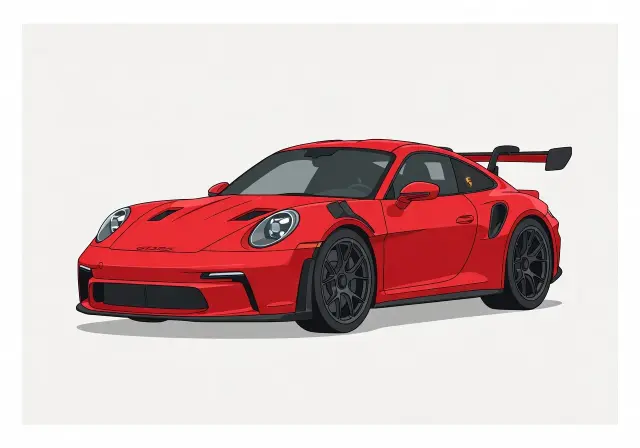 Porsche 911 2.70s
 - 7
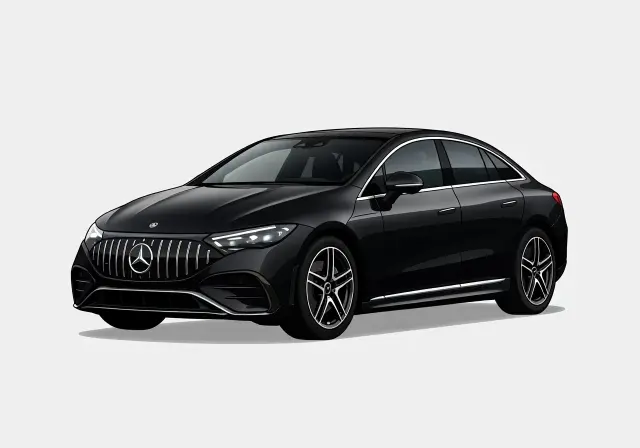 Mercedes-AMG EQE 2.80s
 - 8
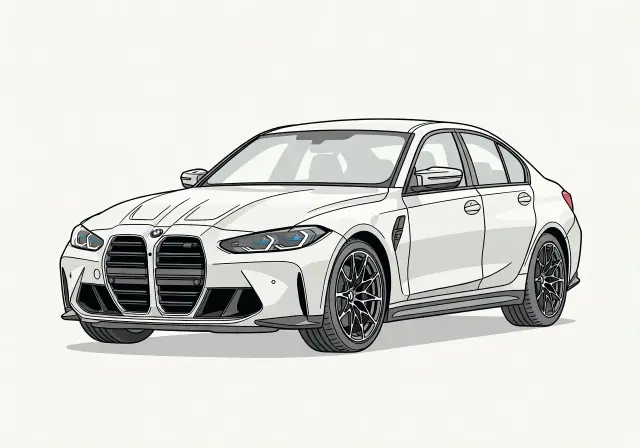 BMW M3 2.80s
 - 9
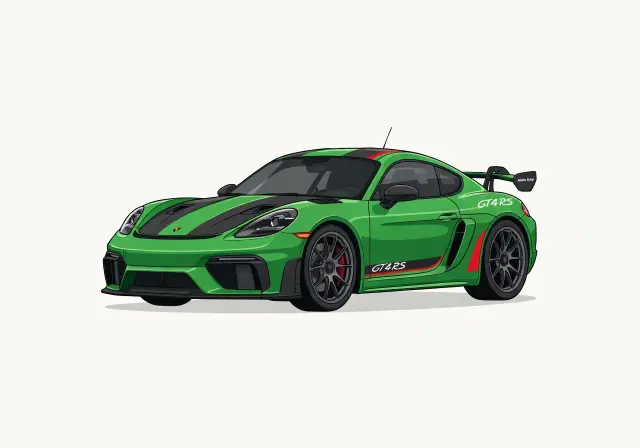 Porsche 718 Cayman 2.80s
 - 10
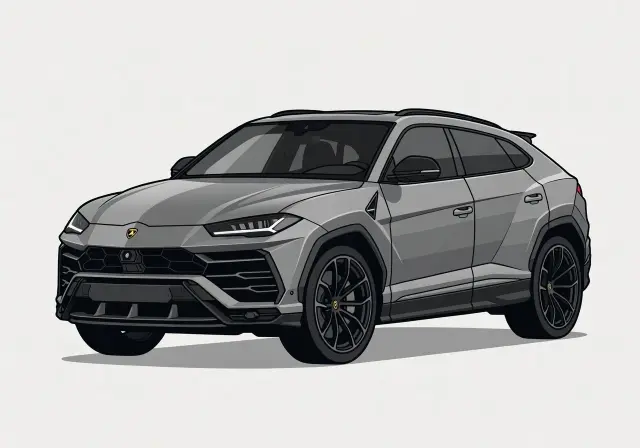 Lamborghini Urus 3.00s
02 /
Methodology & Eligibility
- Production-only by default. The canonical ranking counts factory-production vehicles. Use the toggle to include modified / tuner builds.
- One entry per model. Each model is represented by its single fastest verified result — repeated publication tests are collapsed.
- Ranked by 0–60 mph. Lower is faster; ties are broken by the earliest recorded test.
- Verified tests only. Every result comes from an independently published road test in our database.
03 /
Full Rankings
vehicles shown
04 /
Category Statistics
2.30sFastest 0–60 mph
5.20sMedian
5.25sAverage
9.50sSlowest qualifying
159Qualifying vehicles
Median is preferred over average — it is less influenced by a handful of exceptionally quick outliers. Statistics reflect production results only.
05 /
Common Traits Among the Fastest Cars of 2023
This 2023 group is defined by traction-heavy layouts and relatively high output. All-wheel drive accounts for 75 percent of the field, compared with 14 percent rear-wheel drive and 11 percent front-wheel drive. Average output is 385 hp with 411 torque, while average weight is 4501 lb and median weight is 4430.5 lb.
On a power-to-weight basis, these vehicles average 85.9 hp per 1000 lb, or 11.7 lb per hp. The aspiration mix leans toward forced induction, with 35 percent turbocharged and 17 percent naturally aspirated. Manuals are rare here, making up just 5 percent of the lineup.
14%Rear-wheel drive
75%All-wheel drive
11%Front-wheel drive
385 hpAvg horsepower
411 lb-ftAvg torque
4,501 lbAvg curb weight
85.9 hp/1,000 lbPower-to-weight
5%Manual gearbox
35%Turbocharged
2023Avg model year
06 /
Why Horsepower Isn't Everything
Raw horsepower alone does not settle a 0-60 result. This field averages 385 hp, yet the more useful group measure is 85.9 hp per 1000 lb, because mass changes how effectively that output moves the car. At an average 4501 lb, weight remains a major part of the story.
Gearing, tire grip, and drivetrain traction also shape launch performance. That helps explain why some lighter or better-geared entries can outperform more powerful ones, especially when all-wheel drive can deploy power more cleanly than rear-wheel drive or front-wheel drive from a stop.
Horsepower vs 0–60 mph
One dot per vehicle · 158 plotted One dot per vehicle · 158 plotted
2s 4s 6s 8s 10s 200 400 600 800 1,000 Horsepower → 0–60 mph (seconds) →
2s 4s 6s 8s 10s 200 400 600 800 1,000 Horsepower → 0–60 mph (seconds) →
Top 10 ranked All other vehicles
Each dot is one vehicle at its fastest verified run. Exact figures for every point are in the full rankings.
07 /
Brands With the Most Cars of 2023
08 /
Powertrain Breakdown
09 /
Cars of 2023 by Decade
For this set, the decade view is necessarily narrow because every qualifying vehicle is from 2023. The only decade represented is the 2020s, with all 159 entries falling there and a median 0-60 mph time of 5.2.
That means there is no cross-decade progression to compare within this page. Instead, the snapshot shows where 2023 cars sit as a group: a 2020s field centered on a 5.2 median, with current performance shaped by the strong presence of all-wheel drive, electrification, and high average output.
10 /
Records & Superlatives
The category records show how different solutions reach similar territory while still leaving clear gaps. The fastest naturally aspirated entry is the 2023 Chevrolet Corvette at 2.6, the fastest turbocharged is the 2023 BMW M3 at 2.8, and the fastest electric is the 2023 Porsche Taycan at 2.4.
By drivetrain and transmission, the rear-wheel-drive and automatic benchmark is the 2023 Ferrari 296 GTB at 2.3, all-wheel drive is the Taycan at 2.4, front-wheel drive is the 2023 Hyundai Elantra at 4.8, manual is the 2023 Toyota GR Supra at 3.9, dual-clutch is the 2023 Porsche 911 at 2.7, and CVT is the 2023 Toyota RAV4 at 5.5. The spread shows how launch traction and transmission type still separate the quickest combinations from the rest.
12 /
Frequently Asked Questions
Which 2023 car is quickest here?
The quickest entry is 2023 Ferrari 296 GTB, and its listed 0-60 mph time is 2.3 seconds. It is also the category benchmark readers usually compare against when they want to see how the rest of this 2023 field stacks up.
How many 2023 cars are included, and how wide is the performance range?
This ranking includes 159 vehicles. The field runs from the leading time of 2.3 seconds to the slowest qualifying result of 9.5 seconds, which gives a clear sense of how broad 2023 performance is within the same model-year pool.
What is a typical 0-60 mph time for 2023 cars on this page?
A typical result is best understood through the middle and average of the field. The median is 5.2 seconds, while the average is 5.25 seconds. Looking at both helps show where most entries sit without focusing only on the single quickest example.
Why is the ranking ordered by 0-60 mph instead of horsepower?
The page is sorted by 0–60 mph because that measures actual launch performance, not just engine output. Two vehicles with very different specs can post similar times, while traction, gearing, tire grip, and curb weight often change the order more than peak power alone.
What qualifies a vehicle for this 2023 list?
To appear here, a vehicle must be one of the Cars of 2023 and have a documented 0–60 mph result. Once it qualifies, it is placed by acceleration time so readers can compare the full field, from 2023 Ferrari 296 GTB at the top to entries nearer 9.5 seconds.