
Rankings are based on independently published 0–60 mph tests currently included in the 0–60 Specs database. Vehicles without a qualifying published test in our database are not included.
Fastest Cars of the 2024 from 0-60
Median 0–60 mph 5.40sec Average 5.41s
Qualifying Vehicles 168 2024–2024 model years
Verified Tests 433 Tests in this category
01 /
Top 10 Fastest by 0–60 mph
- 1
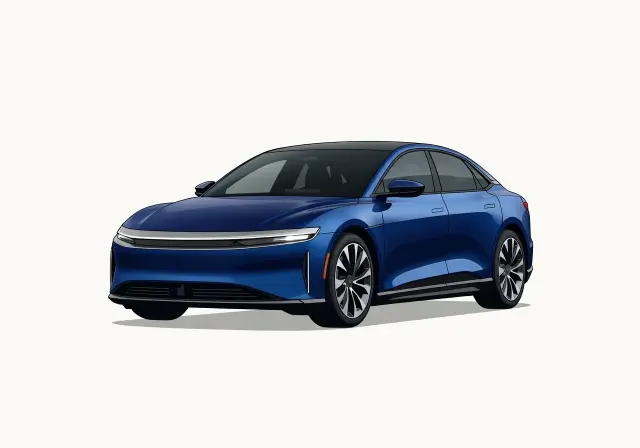 Lucid Air 2.10s
 - 2
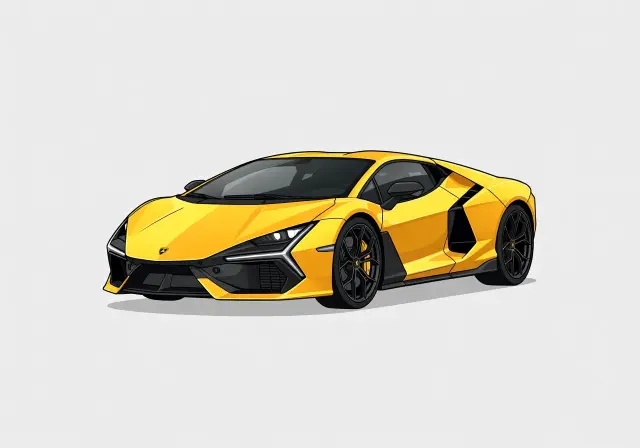 Lamborghini Revuelto 2.20s
 - 3
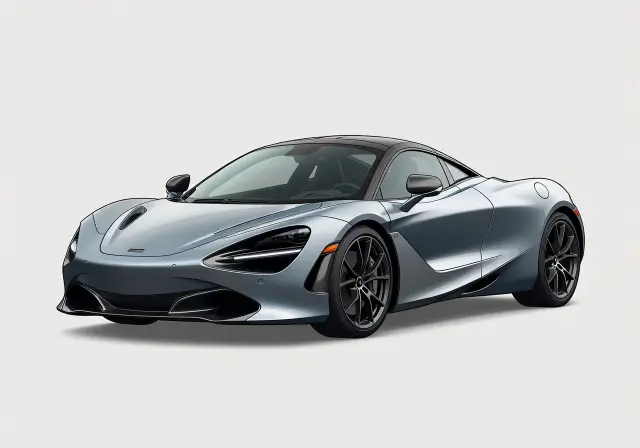 McLaren 750S 2.30s
 - 4
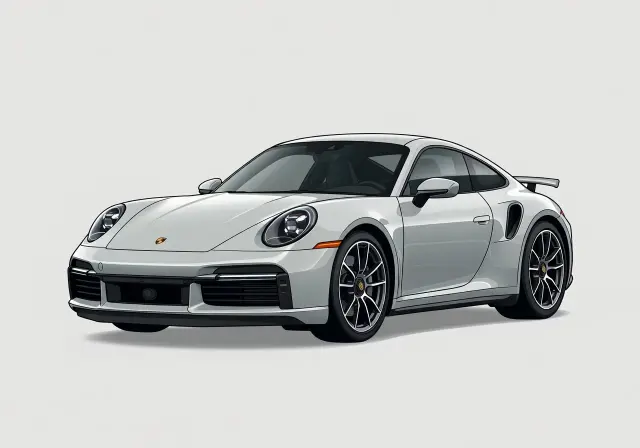 Porsche 911 2.30s
 - 5
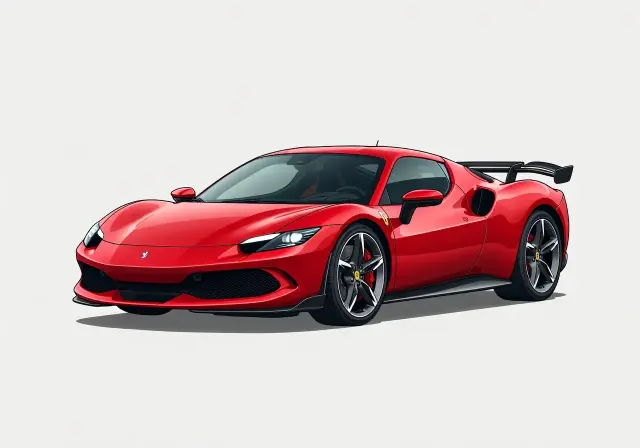 Ferrari 296 GTB 2.40s
 - 6
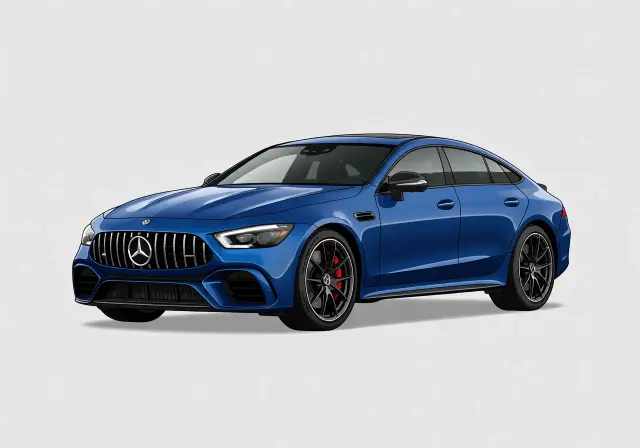 Mercedes-AMG GT63 2.40s
 - 7
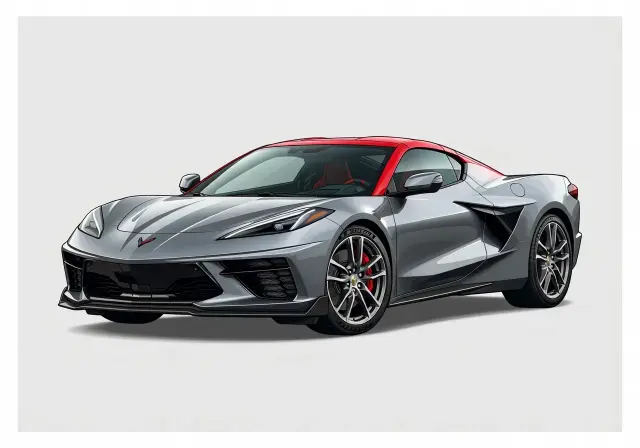 Chevrolet Corvette 2.50s
 - 8
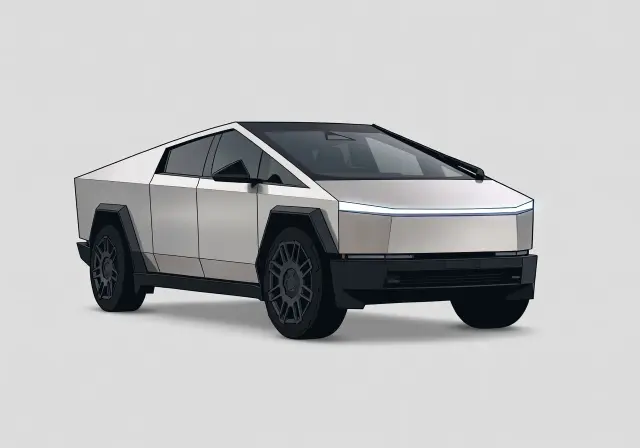 Tesla Cybertruck 2.50s
 - 9
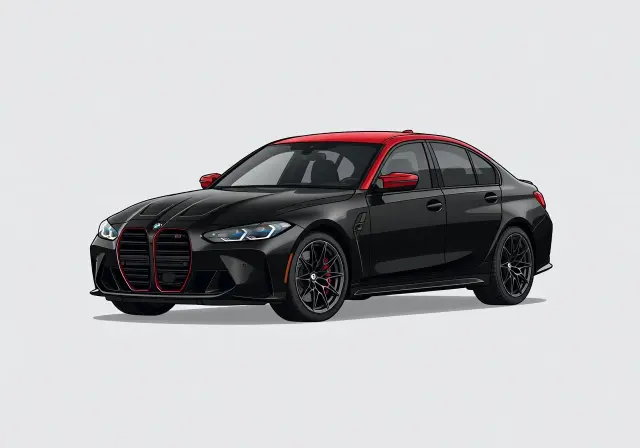 BMW M3 2.70s
 - 10
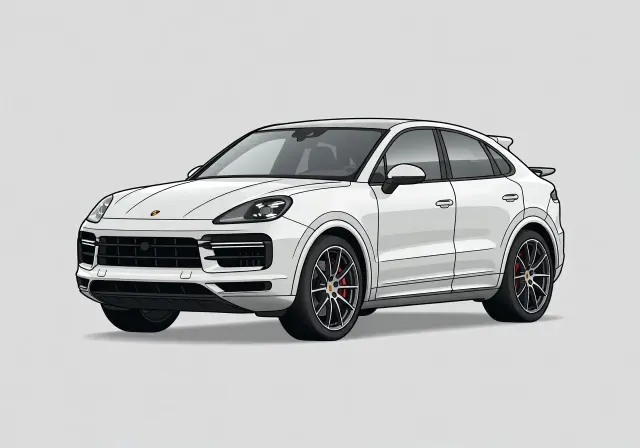 Porsche Cayenne 2.80s
02 /
Methodology & Eligibility
- Production-only by default. The canonical ranking counts factory-production vehicles. Use the toggle to include modified / tuner builds.
- One entry per model. Each model is represented by its single fastest verified result — repeated publication tests are collapsed.
- Ranked by 0–60 mph. Lower is faster; ties are broken by the earliest recorded test.
- Verified tests only. Every result comes from an independently published road test in our database.
03 /
Full Rankings
vehicles shown
04 /
Category Statistics
2.10sFastest 0–60 mph
5.40sMedian
5.41sAverage
11.80sSlowest qualifying
168Qualifying vehicles
Median is preferred over average — it is less influenced by a handful of exceptionally quick outliers. Statistics reflect production results only.
05 /
Common Traits Among the Fastest Cars of 2024
This group is defined by all-wheel drive dominance: AWD accounts for 135 cars, or 80 percent, versus 18 FWD cars at 11 percent and 15 RWD cars at 9 percent. Output is substantial on average, at 392 horsepower and 413 torque, but so is mass, with an average weight of 4563 and a median weight of 4440.
The power-to-weight picture helps explain the results, at 84.6 horsepower per 1000 lb and 11.6 lb per hp. Forced induction is common, with 36 percent turbocharged, while 13 percent are naturally aspirated. Manual transmissions are rare in this set, appearing in 5 percent of entries.
9%Rear-wheel drive
80%All-wheel drive
11%Front-wheel drive
392 hpAvg horsepower
413 lb-ftAvg torque
4,563 lbAvg curb weight
84.6 hp/1,000 lbPower-to-weight
5%Manual gearbox
36%Turbocharged
2024Avg model year
06 /
Why Horsepower Isn't Everything
Raw output alone does not settle 0-60 results. In this field, the average sits at 392 horsepower, yet the group also carries an average weight of 4563, which is why the more useful summary is 84.6 horsepower per 1000 lb or 11.6 lb per hp. A powerful but heavy car can give back much of its advantage off the line.
Gearing, tire grip, and drivetrain traction matter just as much in the first launch phase. The AWD share of 80 percent shows how important traction is here. That is also why lighter or especially well-geared models, including cars such as the McLaren 750S and Porsche 911, can outperform less optimized rivals.
Horsepower vs 0–60 mph
One dot per vehicle · 167 plotted One dot per vehicle · 167 plotted
2s 4s 6s 8s 10s 12s 0 250 500 750 1,000 1,250 Horsepower → 0–60 mph (seconds) →
2s 4s 6s 8s 10s 12s 0 250 500 750 1,000 1,250 Horsepower → 0–60 mph (seconds) →
Top 10 ranked All other vehicles
Each dot is one vehicle at its fastest verified run. Exact figures for every point are in the full rankings.
07 /
Brands With the Most Cars of 2024
08 /
Powertrain Breakdown
09 /
Cars of 2024 by Decade
Within this ranking, every qualifying vehicle is from 2024, so the decade view is concentrated in a single period rather than spread across eras. The 2020s contain all 168 entries, and the median 0-60 time for that decade is 5.4.
Because there are no earlier decades represented here, this page does not show a cross-decade progression inside the category. What it does show is the current baseline: in the 2020s, a median of 5.4 means quick acceleration is no longer limited to a few halo models, but common across a broad 2024 field.
10 /
Records & Superlatives
The record holders show how varied the quickest approaches are in this set. The fastest electric and AWD model is the Lucid Air at 2.1, while the fastest hybrid and automatic is the Lamborghini Revuelto at 2.2. Among turbocharged and RWD entries, the McLaren 750S leads at 2.3.
Other records widen the picture. The quickest naturally aspirated car is the Porsche 718 Boxster at 2.8, the quickest manual is the Lotus Emira at 4.2, and the quickest FWD car is the Acura Integra at 5.1. That spread shows how launch traction, transmission type, and power delivery shape the gap within one model year.
12 /
Frequently Asked Questions
Which 2024 car is quickest to 60 mph on this page?
The quickest entry is the 2024 Lucid Air, and its best listed 0-60 mph time is 2.1 seconds. It is the benchmark for this category in model year 2024, setting the pace for every other qualifying vehicle on the page.
How many 2024 cars are included, and how wide is the performance range?
This ranking includes 168 vehicles. The field runs from the category-leading 2.1 seconds at the top to 11.8 seconds at the back, which shows how broad the spread is even within the same model year and measurement.
What is a typical 0-60 mph time for 2024 cars here?
A useful snapshot is the median of 5.4 seconds, which reflects the middle of the pack better than the single fastest result. The average is 5.41 seconds, so most qualifying Cars of 2024 cluster well away from the record-setting end of the ranking.
Why is the ranking ordered by 0-60 mph instead of horsepower?
Because the page is comparing real acceleration results, it is sorted by 0–60 mph. Horsepower helps, but launch traction, gearing, transmission behavior, and vehicle weight can change the order, so the quickest car is the one with the best measured run, not simply the biggest output.
What qualifies a vehicle for this 2024 ranking?
To appear here, a vehicle has to be a model year 2024 entry within Cars of 2024 and have a recorded 0–60 mph result. Once it qualifies, placement is straightforward: lower times rank higher, and ties sit alongside other vehicles with the same result.