Rankings are based on independently published 0–60 mph tests currently included in the 0–60 Specs database. Vehicles without a qualifying published test in our database are not included.
Fastest Cars of the 2022 from 0-60
Median 0–60 mph 5.35sec Average 5.28s
Qualifying Vehicles 148 2022–2022 model years
Verified Tests 430 Tests in this category
01 /
Top 10 Fastest by 0–60 mph
- 1
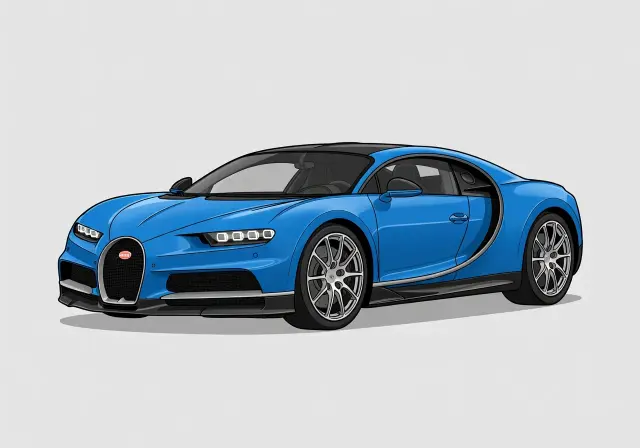 Bugatti Chiron 2.20s
 - 2
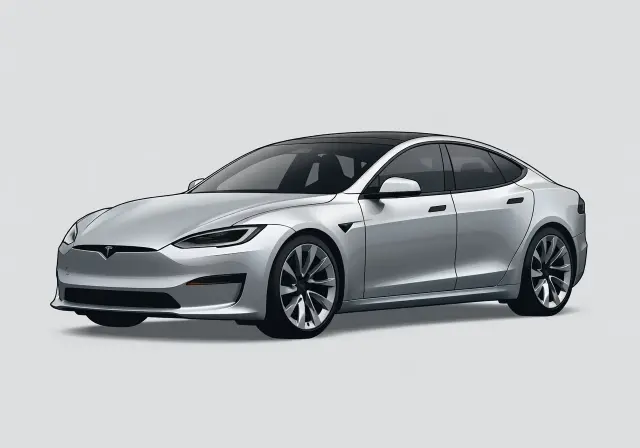 Tesla Model S 2.20s
 - 3
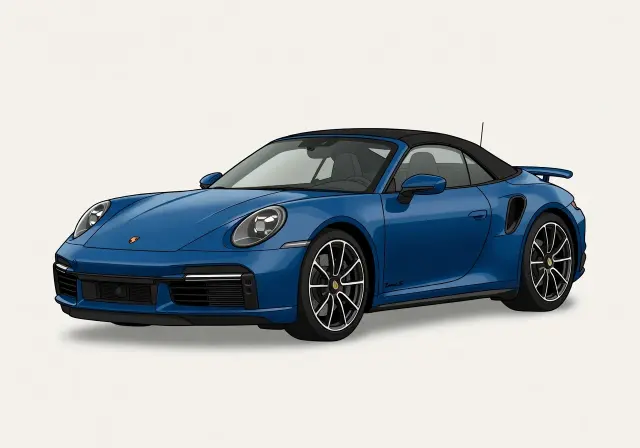 Porsche 911 2.40s
 - 4
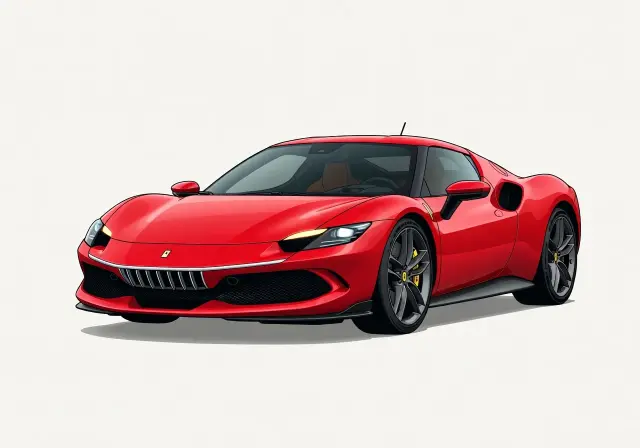 Ferrari 296 GTB 2.40s
 - 5
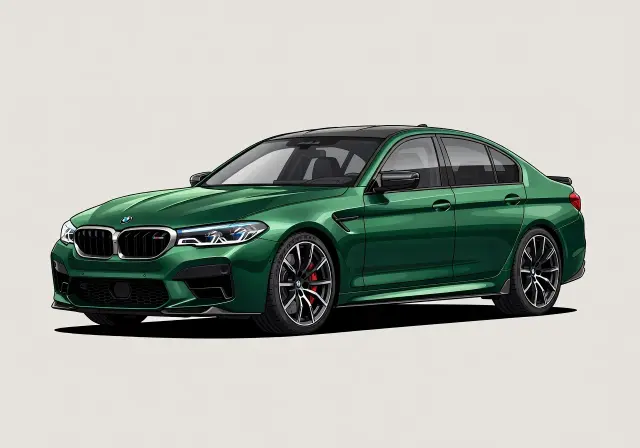 BMW M5 2.60s
 - 6
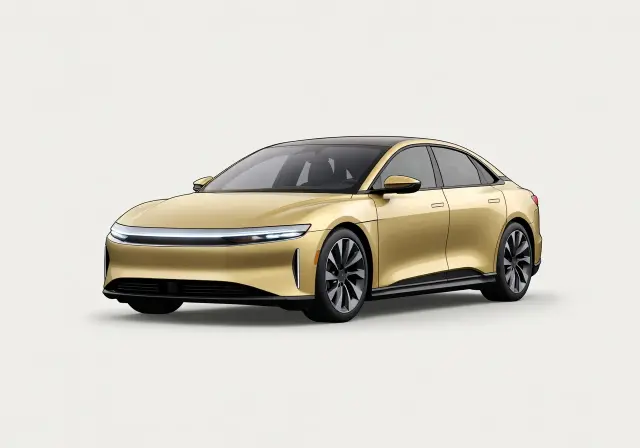 Lucid Air 2.60s
 - 7
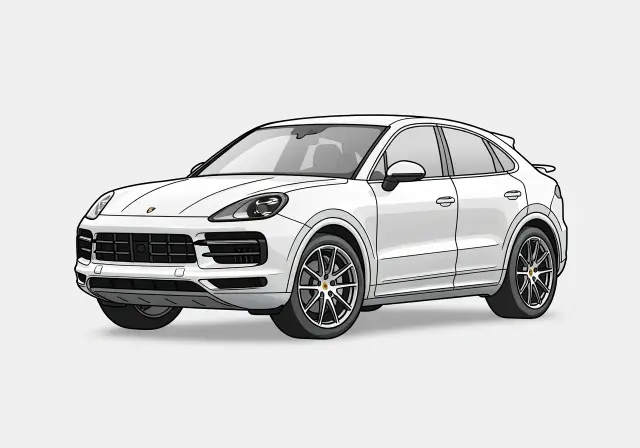 Porsche Cayenne 2.80s
 - 8
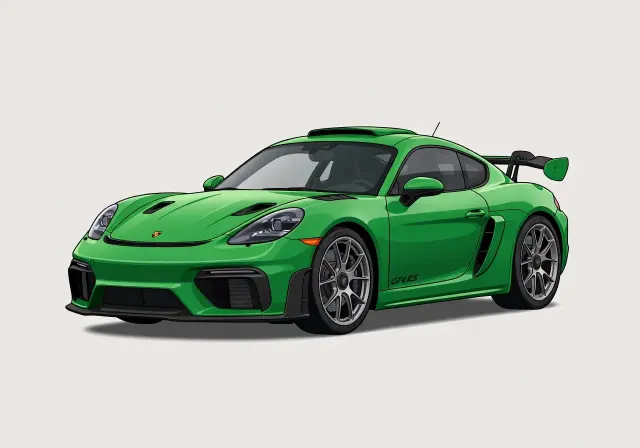 Porsche 718 Cayman 2.80s
 - 9
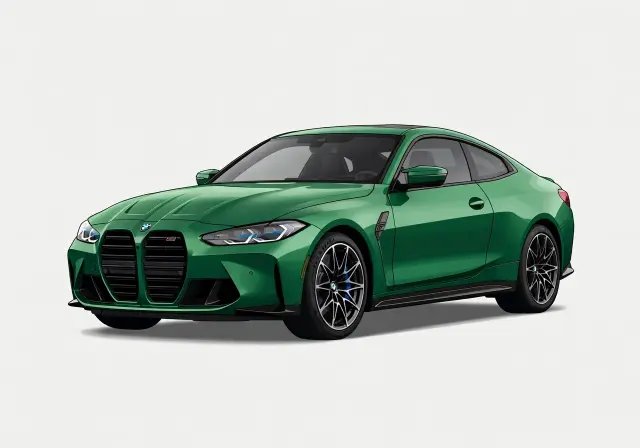 BMW M4 2.80s
 - 10
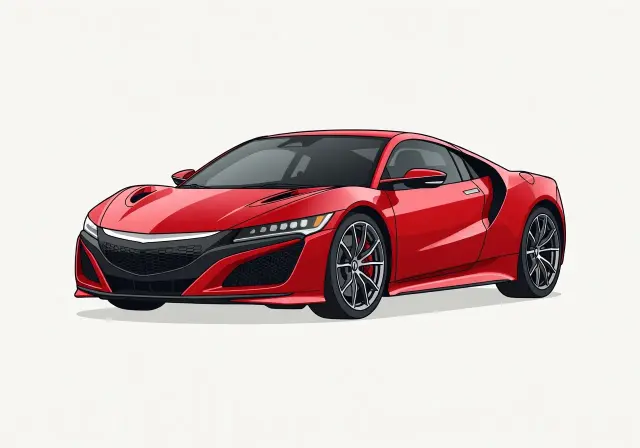 Acura NSX 2.90s
02 /
Methodology & Eligibility
- Production-only by default. The canonical ranking counts factory-production vehicles. Use the toggle to include modified / tuner builds.
- One entry per model. Each model is represented by its single fastest verified result — repeated publication tests are collapsed.
- Ranked by 0–60 mph. Lower is faster; ties are broken by the earliest recorded test.
- Verified tests only. Every result comes from an independently published road test in our database.
03 /
Full Rankings
vehicles shown
04 /
Category Statistics
2.20sFastest 0–60 mph
5.35sMedian
5.28sAverage
10.30sSlowest qualifying
148Qualifying vehicles
Median is preferred over average — it is less influenced by a handful of exceptionally quick outliers. Statistics reflect production results only.
05 /
Common Traits Among the Fastest Cars of 2022
This group is defined by traction-first layouts and relatively high output. All-wheel drive accounts for 76% of the field, while rear-wheel drive and front-wheel drive each represent 12%. The average vehicle makes 390 hp and 395 lb-ft, with an average weight of 4422 lb and a median weight of 4317.5 lb.
On average, that works out to 88.1 hp per 1000 lb, or 11.3 lb per hp. Aspiration is mixed rather than uniform: 43% are turbocharged and 21% are naturally aspirated. Manuals are a small minority at 5%, which helps explain why quick-shifting automatics and traction-focused setups dominate this set.
12%Rear-wheel drive
76%All-wheel drive
12%Front-wheel drive
390 hpAvg horsepower
395 lb-ftAvg torque
4,422 lbAvg curb weight
88.1 hp/1,000 lbPower-to-weight
5%Manual gearbox
43%Turbocharged
2022Avg model year
06 /
Why Horsepower Isn't Everything
High output matters, but it is only one part of quick 0-60 mph performance. This field averages 390 hp, yet the more telling group figure is 88.1 hp per 1000 lb, alongside an average weight of 4422 lb. That pairing shows why mass can dilute raw power, while a stronger power-to-weight ratio can sharpen real acceleration.
Gearing, tire grip, and drivetrain layout also shape launch performance. With 76% of the field using all-wheel drive, traction is a major advantage off the line. That is why some lighter or better-geared cars can outperform rivals with bigger horsepower numbers, especially in a short sprint where the launch matters more than peak output alone.
Horsepower vs 0–60 mph
One dot per vehicle · 148 plotted One dot per vehicle · 148 plotted
2s 4s 6s 8s 10s 0 500 1,000 1,500 Horsepower → 0–60 mph (seconds) →
2s 4s 6s 8s 10s 0 500 1,000 1,500 Horsepower → 0–60 mph (seconds) →
Top 10 ranked All other vehicles
Each dot is one vehicle at its fastest verified run. Exact figures for every point are in the full rankings.
07 /
Brands With the Most Cars of 2022
08 /
Powertrain Breakdown
09 /
Cars of 2022 by Decade
Because every qualifying vehicle here is from 2022, the decade view is concentrated in a single slice rather than spread across multiple eras. The 2020s median stands at 5.4, which serves as the clearest benchmark for where this model-year group sits in the broader timeline.
That also means this page is best read as a snapshot of current-era performance rather than a long historical progression. Within this set, the decade median of 5.4 captures the middle of the field, balancing very quick halo cars such as the 2022 Bugatti Chiron and 2022 Tesla Model S against mainstream entries.
10 /
Records & Superlatives
The record holders show how different paths can reach similar results at the top. The naturally aspirated leader is the 2022 Porsche 718 Cayman at 2.8, while the turbocharged and all-wheel-drive benchmark is the 2022 Bugatti Chiron at 2.2. The electric leader, the 2022 Tesla Model S, matches that 2.2 figure.
The spread across layouts and transmissions is even more revealing. Rear-wheel drive reaches 2.4 with the 2022 Ferrari 296 GTB, but front-wheel drive trails at 4.8 with the 2022 Hyundai Kona. Among gearboxes, the best manual is the Cadillac CT4-V at 4, versus 2.2 for the quickest automatic, showing how launch traction and shift speed define the extremes.
12 /
Frequently Asked Questions
What is the quickest 2022 car here from 0-60 mph?
The quickest entry is the 2022 Bugatti Chiron, and it reaches 60 mph in 2.2 seconds. It is the benchmark for this ranking and sets the pace for every other 2022 vehicle in the field.
How many 2022 cars are included, and how wide is the performance range?
This ranking includes 148 vehicles. The field runs from the category leader at 2.2 seconds to the slowest qualifying result at 10.3 seconds, so it covers both top-end performance models and much more ordinary quickness.
What does a typical 2022 car in this ranking run from 0-60 mph?
A typical result is best understood by the middle and average of the group. The median is 5.35 seconds, while the mean is 5.28 seconds, which helps show whether the fastest outliers pull the overall average quicker than the center of the pack.
Why are some 2022 cars with less power ranked ahead of stronger ones?
This page is ordered by 0–60 mph, not by output. Launch traction, gearing, weight, and tire grip all affect the final time, so a lighter or better-matched setup can place ahead of a more powerful car that cannot use its power as effectively.
What qualifies a vehicle for this 2022 ranking?
A vehicle qualifies if it is a Cars of 2022 entry with a recorded 0–60 mph time in this model year. Once listed, it is sorted by quickest to slowest using that acceleration result rather than horsepower, price, or body style.