
Rankings are based on independently published 0–60 mph tests currently included in the 0–60 Specs database. Vehicles without a qualifying published test in our database are not included.
Fastest Cars of the 2026 from 0-60
Median 0–60 mph 5.30sec Average 5.32s
Qualifying Vehicles 116 2026–2026 model years
Verified Tests 214 Tests in this category
01 /
Top 10 Fastest by 0–60 mph
- 1
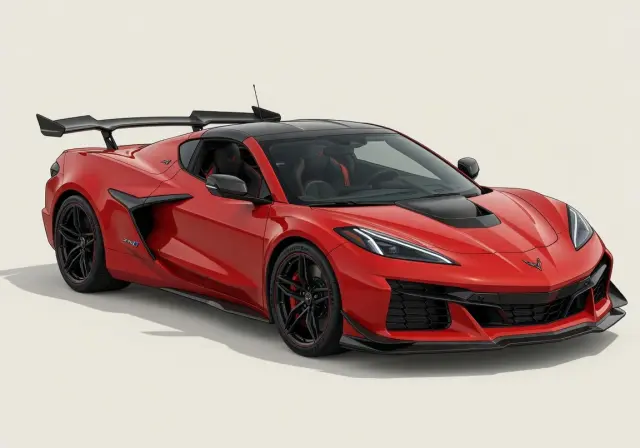 Chevrolet Corvette 1.80s
 - 2
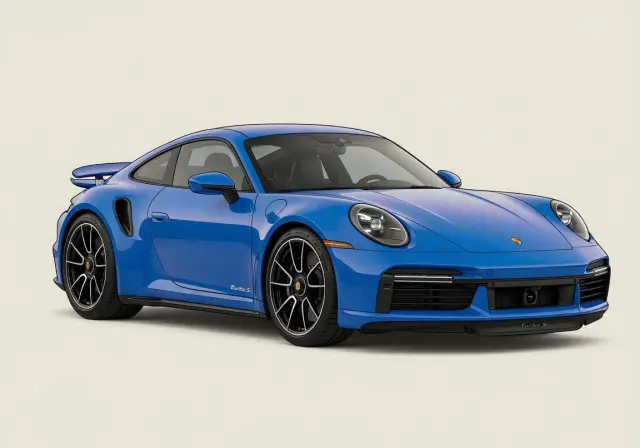 Porsche 911 2.00s
 - 3
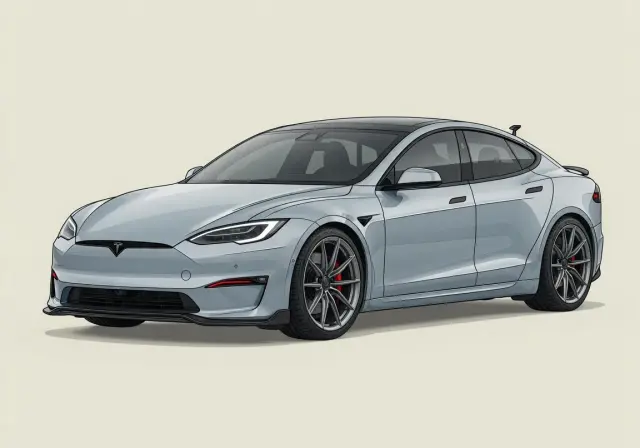 Tesla Model S 2.10s
 - 4
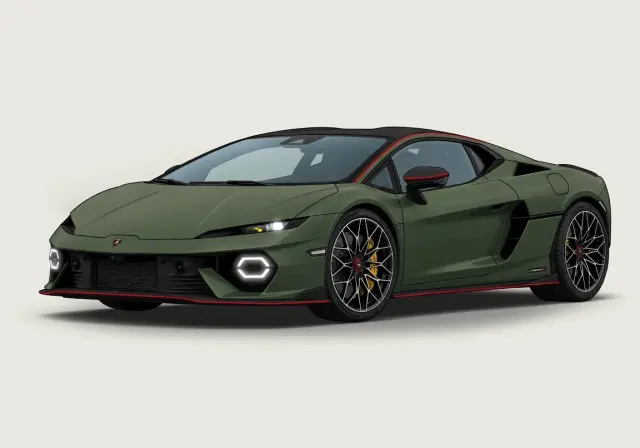 Lamborghini Temerario 2.10s
 - 5
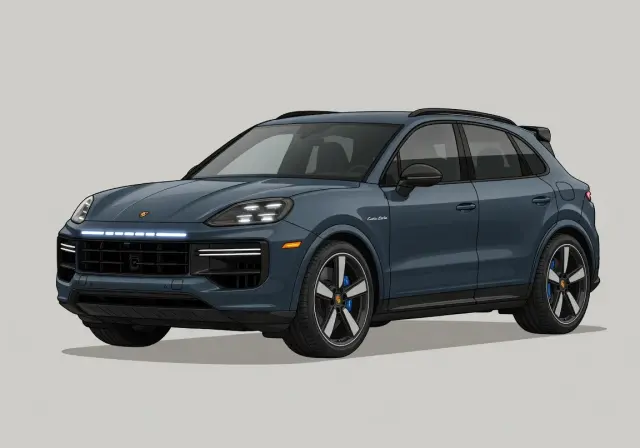 Porsche Cayenne 2.10s
 - 6
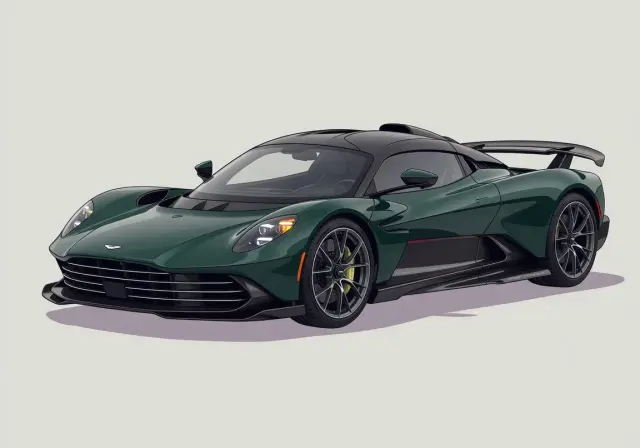 Aston Martin Valhalla 2.30s
 - 7
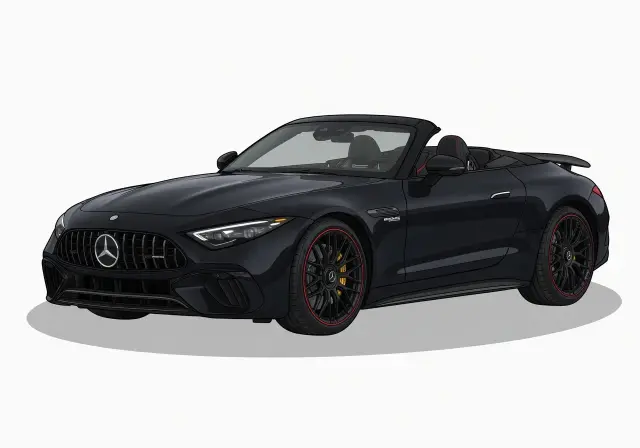 Mercedes-AMG SL63 2.50s
 - 8
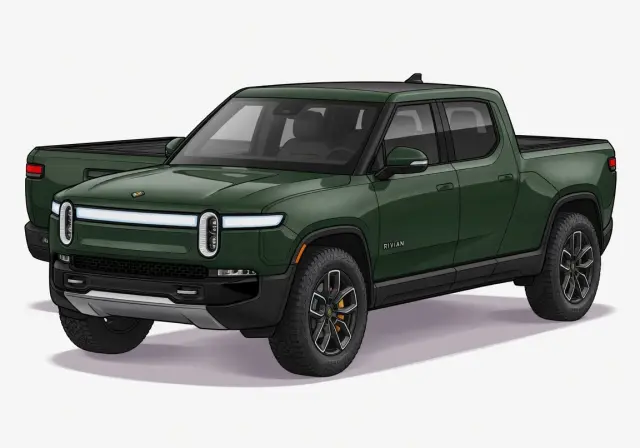 Rivian R1T 2.60s
 - 9
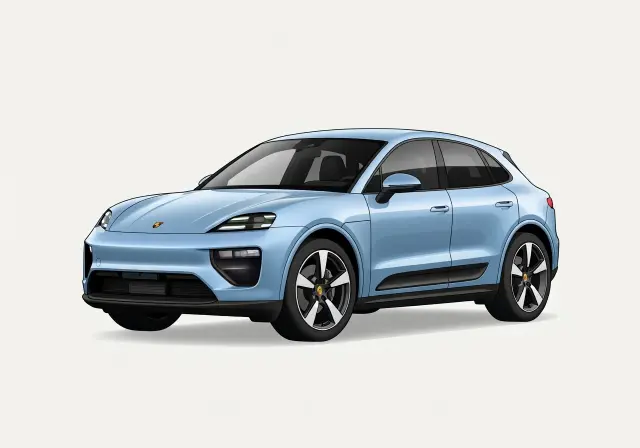 Porsche Macan 2.80s
 - 10
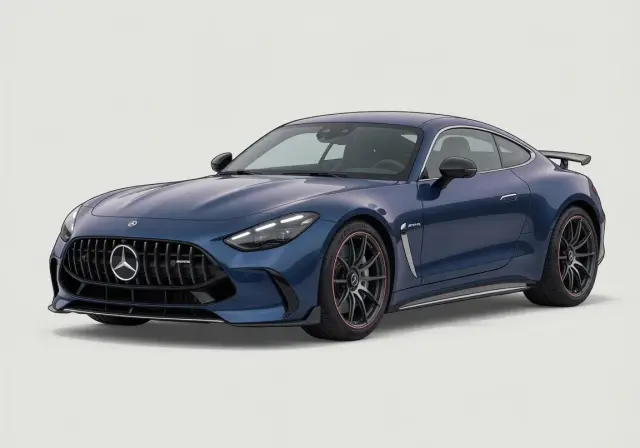 Mercedes-AMG GT63 2.80s
02 /
Methodology & Eligibility
- Production-only by default. The canonical ranking counts factory-production vehicles. Use the toggle to include modified / tuner builds.
- One entry per model. Each model is represented by its single fastest verified result — repeated publication tests are collapsed.
- Ranked by 0–60 mph. Lower is faster; ties are broken by the earliest recorded test.
- Verified tests only. Every result comes from an independently published road test in our database.
03 /
Full Rankings
vehicles shown
04 /
Category Statistics
1.80sFastest 0–60 mph
5.30sMedian
5.32sAverage
10.70sSlowest qualifying
116Qualifying vehicles
Median is preferred over average — it is less influenced by a handful of exceptionally quick outliers. Statistics reflect production results only.
05 /
Common Traits Among the Fastest Cars of 2026
This group is defined by traction-first layouts and substantial output. All-wheel drive accounts for 85 percent of the field, compared with 12 percent front-wheel drive and 2 percent rear-wheel drive. Average output sits at 433 horsepower, while average weight is 4865 pounds, giving the group an average 90.6 horsepower per 1000 pounds and 11.2 pounds per horsepower.
The engine mix also shows how broad this class is. Turbocharged models make up 27 percent, naturally aspirated entries account for 10 percent, and manuals are absent at 0 percent. Among the most visible nameplates are Chevrolet Corvette, Porsche 911, and Tesla Model S.
6%Rear-wheel drive
84%All-wheel drive
9%Front-wheel drive
416 hpAvg horsepower
497 lb-ftAvg torque
4,800 lbAvg curb weight
87.7 hp/1,000 lbPower-to-weight
0%Manual gearbox
27%Turbocharged
2026Avg model year
06 /
Why Horsepower Isn't Everything
Raw output helps, but it does not settle a 0-60 result by itself. This set averages 433 horsepower, yet the average vehicle also weighs 4865 pounds, which is why the more useful context is the group's 90.6 horsepower per 1000 pounds and 11.2 pounds per horsepower. A stronger power-to-weight figure can matter more than a bigger headline horsepower number.
Acceleration also depends on gearing, tire grip, and how effectively the drivetrain applies torque at launch. With 85 percent of the field using all-wheel drive, traction is clearly a major factor here. That is why lighter cars or models with especially effective gearing can outperform more powerful rivals that carry more mass or struggle to put power down cleanly.
Horsepower vs 0–60 mph
One dot per vehicle · 111 plotted One dot per vehicle · 111 plotted
2s 4s 6s 8s 10s 0 250 500 750 1,000 1,250 Horsepower → 0–60 mph (seconds) →
2s 4s 6s 8s 10s 0 250 500 750 1,000 1,250 Horsepower → 0–60 mph (seconds) →
Top 10 ranked All other vehicles
Each dot is one vehicle at its fastest verified run. Exact figures for every point are in the full rankings.
07 /
Brands With the Most Cars of 2026
08 /
Powertrain Breakdown
09 /
Cars of 2026 by Decade
Within this set, every qualifying vehicle is from 2026, so the decade view is concentrated entirely in one period. The 2020s contain all 82 entries, and the median 0-60 mph time for that decade is 5.3. That gives a clean snapshot of where current models in this year cluster, rather than a comparison across multiple eras.
Because no earlier decades are represented here, the trend line is really a present-day benchmark. In other words, this ranking shows how quick the current field has become in the 2020s, with a 5.3 median defining the middle of the pack for 2026 cars.
10 /
Records & Superlatives
The record holders show how much configuration changes the outcome. The quickest naturally aspirated entry is the Ford Mustang at 3.7, the quickest turbocharged model is the Mercedes-AMG GT63 at 2.8, and the quickest electric model is the Tesla Model S at 2.1.
By layout and transmission, the spread widens further. The all-wheel-drive and hybrid benchmark is the Chevrolet Corvette at 1.8, rear-wheel drive is 3.7, front-wheel drive is 5.6, automatic is 2.5, and CVT is 6.0. Together, those figures show that launch traction and drivetrain type shape this ranking as much as engine format does.
12 /
Frequently Asked Questions
Which 2026 car is quickest to 60 mph here?
The current leader is 2026 Chevrolet Corvette, and its best recorded run is 1.8 seconds. On this page, the ranking is ordered by verified 0–60 mph performance, so the top position goes to the model with the shortest time.
How many 2026 cars are included, and how wide is the performance spread?
This ranking includes 116 vehicles. The field runs from 1.8 seconds at the front to 10.7 seconds at the back, which shows a broad mix of high-performance models, mainstream quick cars, and heavier vehicles with strong straight-line pace.
What is a typical 0-60 mph time for 2026 cars on this list?
The median result is 5.3 seconds, and the average is 5.32 seconds. Together, those figures give a more useful picture of typical performance than the single fastest entry, especially in a category that includes several very quick outliers.
Why is the order based on 0-60 mph instead of horsepower?
Because horsepower alone does not predict launch performance. This list is sorted by 0–60 mph, which captures how weight, gearing, tire grip, and drivetrain traction work together. A car with less output can still rank higher if it puts power down more effectively.
What qualifies a vehicle for this 2026 ranking?
A vehicle appears here if it is a 2026 model-year entry within Cars of 2026 and has a recorded 0–60 mph result on 0-60 Specs. The page then ranks qualifying models from quickest to slowest using that measured acceleration time.