
Rankings are based on independently published 0–60 mph tests currently included in the 0–60 Specs database. Vehicles without a qualifying published test in our database are not included.
Fastest Front-Wheel Drive Cars From 0-60 MPH
Median 0–60 mph 7.40sec Average 7.77s
Qualifying Vehicles 305 1969–2026 model years
Verified Tests 3,194 Tests in this category
01 /
Top 10 Fastest by 0–60 mph
- 1
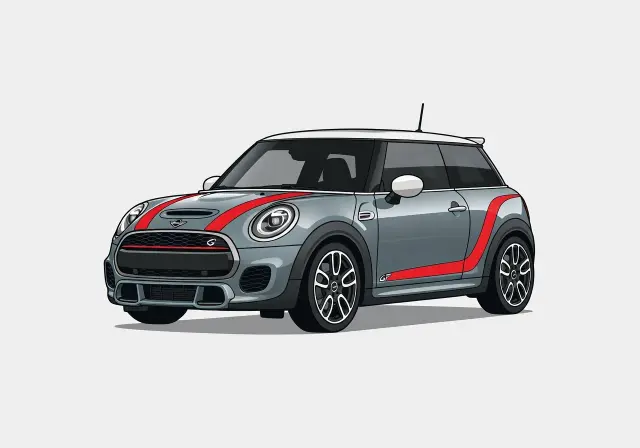 MINI Cooper 4.70s
 - 2
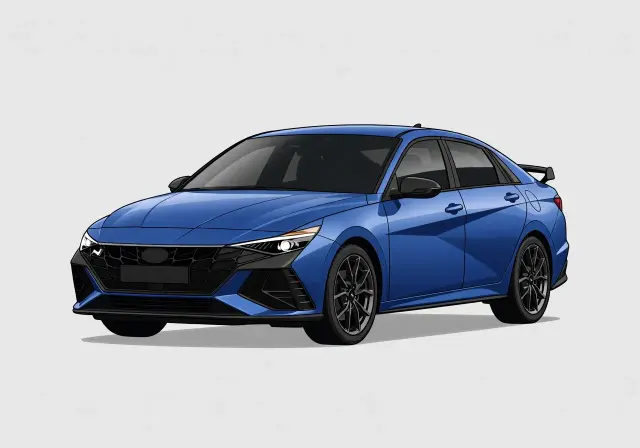 Hyundai Elantra 4.70s
 - 3
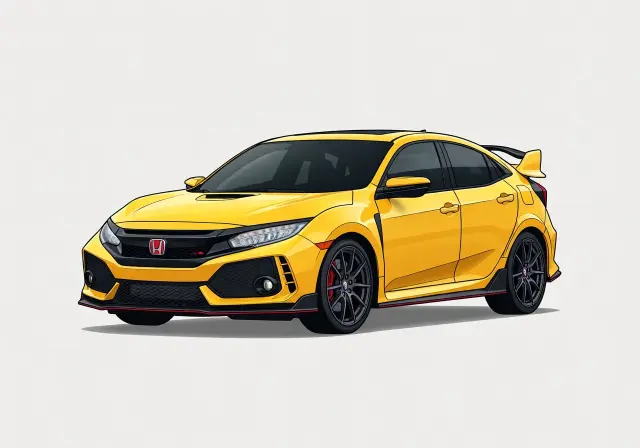 Honda Civic 4.80s
 - 4
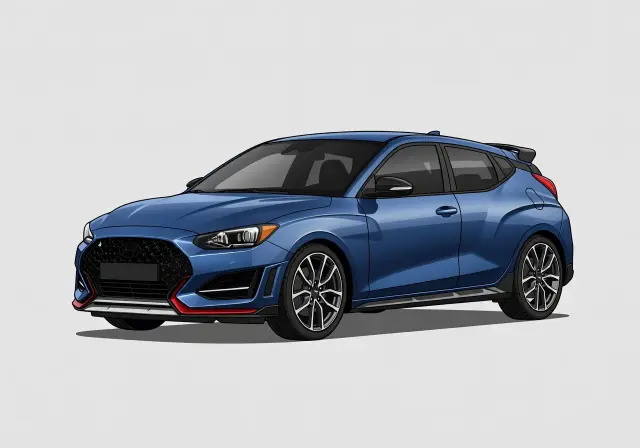 Hyundai Veloster 4.80s
 - 5
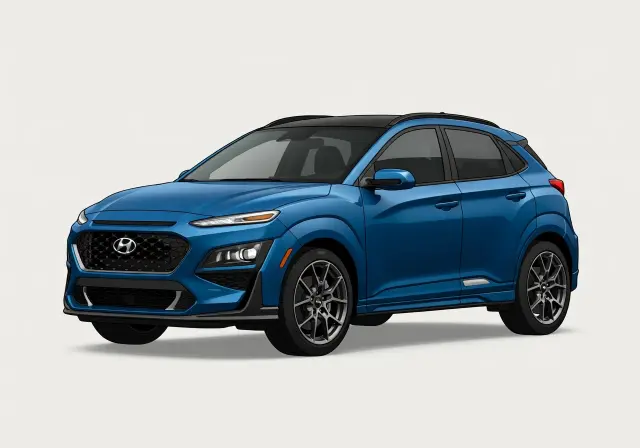 Hyundai Kona 4.80s
 - 6
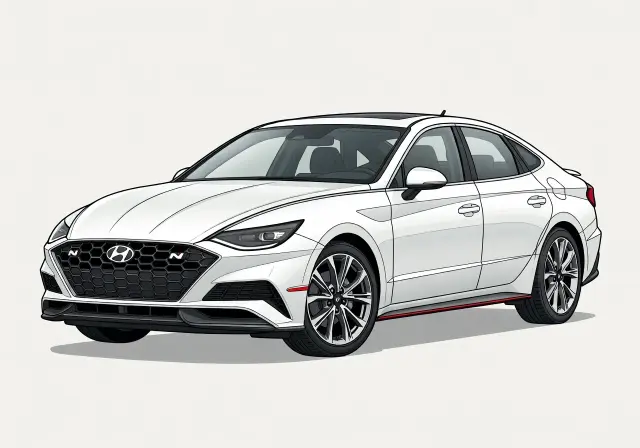 Hyundai Sonata 5.00s
 - 7
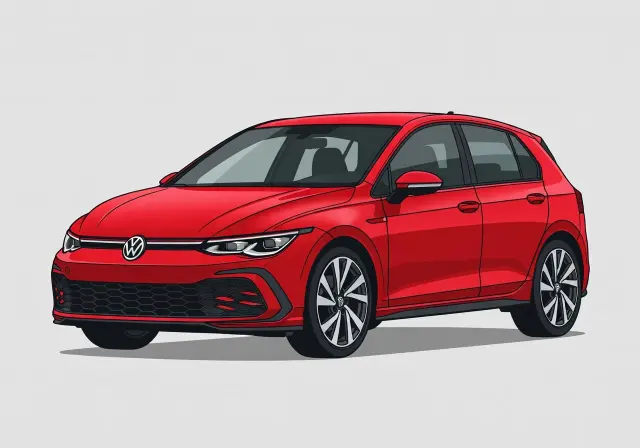 Volkswagen GTI 5.10s
 - 8
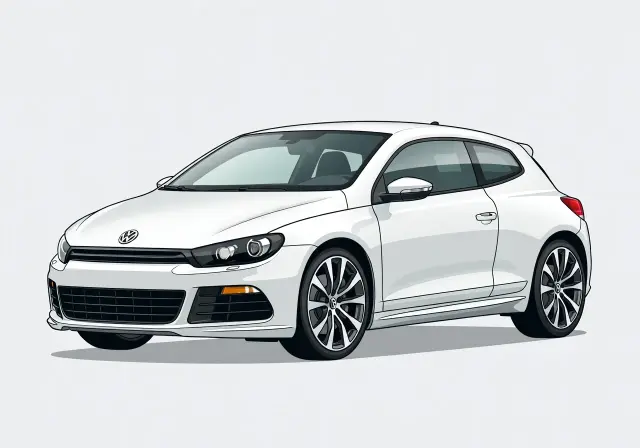 Volkswagen Scirocco 5.10s
 - 9
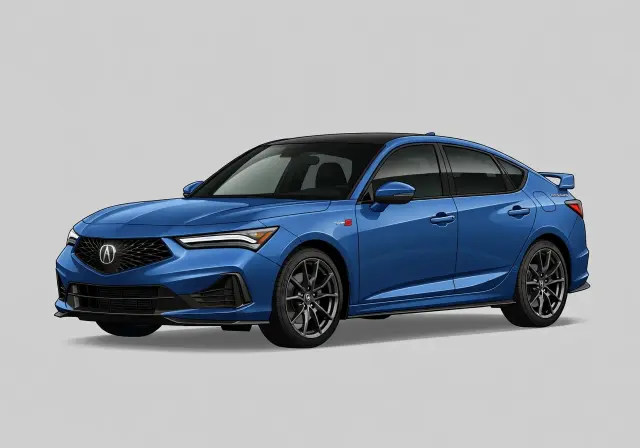 Acura Integra 5.10s
 - 10
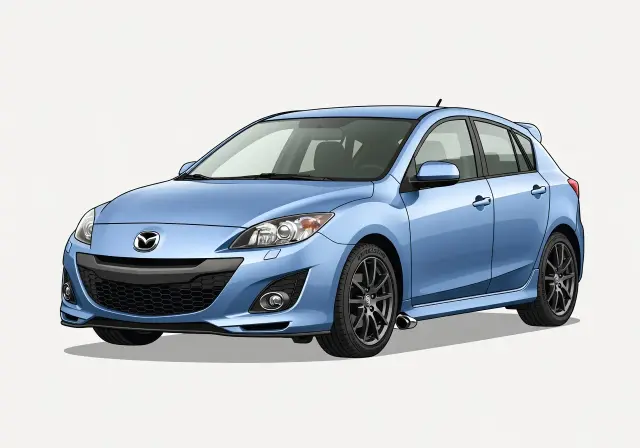 Mazda Mazdaspeed3 5.20s
02 /
Methodology & Eligibility
- Production-only by default. The canonical ranking counts factory-production vehicles. Use the toggle to include modified / tuner builds.
- One entry per model. Each model is represented by its single fastest verified result — repeated publication tests are collapsed.
- Ranked by 0–60 mph. Lower is faster; ties are broken by the earliest recorded test.
- Verified tests only. Every result comes from an independently published road test in our database.
03 /
Full Rankings
vehicles shown
04 /
Category Statistics
4.70sFastest 0–60 mph
7.40sMedian
7.77sAverage
20.80sSlowest qualifying
305Qualifying vehicles
Median is preferred over average — it is less influenced by a handful of exceptionally quick outliers. Statistics reflect production results only.
05 /
Common Traits Among the Fastest FWD Cars
This group is entirely front-wheel drive: 100 percent of the 302 entries send power to the front axle, with 0 percent rear-wheel drive and 0 percent all-wheel drive. Across the field, average output is 197 hp and 204 lb-ft, while average weight is 3334 lb and median weight is 3400 lb. The average power-to-weight figures are 58 hp per 1000 lb and 16.9 lb per hp.
The mix also shows how broad the category is. Naturally aspirated models make up 59 percent, turbocharged cars account for 28 percent, and 35 percent are manual. Gasoline dominates at 89 percent, but electric, hybrid, plug-in hybrid, and hydrogen entries show that front-drive performance is not limited to one powertrain formula.
0%Rear-wheel drive
0%All-wheel drive
100%Front-wheel drive
196 hpAvg horsepower
203 lb-ftAvg torque
3,337 lbAvg curb weight
57.9 hp/1,000 lbPower-to-weight
35%Manual gearbox
28%Turbocharged
2007Avg model year
06 /
Why Horsepower Isn't Everything
Raw output only tells part of the story. This field averages 197 hp, yet acceleration also depends on how much mass that power has to move: average weight is 3334 lb, with 58 hp per 1000 lb and 16.9 lb per hp across the group. That is why a lighter or better-matched setup can outrun a heavier car with a larger headline number.
Gearing, tire grip, and how a front-wheel-drive car manages traction off the line matter just as much. Models such as the 2021 MINI Cooper, 2021 Honda Civic, and 2022 Volkswagen GTI show how strong calibration and drivetrain setup can let modestly sized cars punch above their power.
Horsepower vs 0–60 mph
One dot per vehicle · 305 plotted One dot per vehicle · 305 plotted
5s 10s 15s 20s 0 100 200 300 Horsepower → 0–60 mph (seconds) →
5s 10s 15s 20s 0 100 200 300 Horsepower → 0–60 mph (seconds) →
Top 10 ranked All other vehicles
Each dot is one vehicle at its fastest verified run. Exact figures for every point are in the full rankings.
07 /
Brands With the Most FWD Cars
08 /
Powertrain Breakdown
09 /
FWD Cars by Decade
The decade medians trace a clear improvement in front-drive straight-line performance. The 1960s sit at 11.5 seconds, the 1970s at 12, and the 1980s at 9.6. By the 1990s the median drops to 7.9, then to 7.2 in the 2000s and 7.1 in the 2010s.
The 2020s push the median to 6.7, the quickest decade in this set. That progression suggests the biggest gains came between the 1970s and 1990s, while more recent improvements are smaller but steady. Cars like the 2025 Hyundai Elantra and 2021 Hyundai Veloster sit at the sharp end of that trend.
10 /
Records & Superlatives
The record holders show several distinct paths to quick front-drive launches. The fastest naturally aspirated entry is the 2008 Acura TL at 5.5 seconds, while the turbocharged and overall front-drive benchmark is the 2021 MINI Cooper at 4.7. Among electrics, the 2020 Kia Niro leads at 6.2 seconds.
Transmission records reinforce the same pattern. The quickest manual is the 2021 Honda Civic at 4.8, the quickest automatic matches the MINI at 4.7, and the fastest CVT is the 2017 Nissan Maxima at 5.7. The spread shows that forced induction and transmission tuning currently set the pace more often than aspiration alone.
12 /
Frequently Asked Questions
What is the quickest car in this front-wheel-drive ranking?
The quickest entry is the 2021 MINI Cooper, and it reaches 60 mph in 4.7 seconds. That sets the current benchmark for FWD Cars on this list and gives you the reference point for every other model in the ranking.
How many vehicles are included, and how wide is the performance spread?
This ranking includes 305 vehicles. The field runs from the category leader at 4.7 seconds to the slowest qualifying result at 20.8 seconds, which shows how broad the front-wheel-drive market is across years, sizes, and powertrain types.
What does typical 0-60 mph performance look like for these cars?
A typical result sits around the 7.4 seconds median, while the overall average is 7.77 seconds. Together, those two numbers give a better sense of normal real-world pace in this class than focusing only on the single quickest car.
Why are some lower-power front-drive cars ranked ahead of stronger ones?
Because this page is ordered strictly by 0–60 mph time, not by horsepower. A lighter car, shorter gearing, stronger launch traction, or a more effective transmission calibration can post a quicker run even if another model has a bigger output figure.
What qualifies a vehicle for this list?
To appear here, a model has to be one of the FWD Cars and have a recorded 0–60 mph result in the database. The ranking then sorts qualifying vehicles by quickest time first, regardless of brand, body style, or powertrain type.