
Rankings are based on independently published 0–60 mph tests currently included in the 0–60 Specs database. Vehicles without a qualifying published test in our database are not included.
Fastest Supercharged Cars From 0–60 MPH
Median 0–60 mph
4.50sec
Average 4.85s
Qualifying Vehicles
83
1988–2025 model years
Verified Tests
593
Tests in this category
01 /
Top 10 Fastest by 0–60 mph
-
1
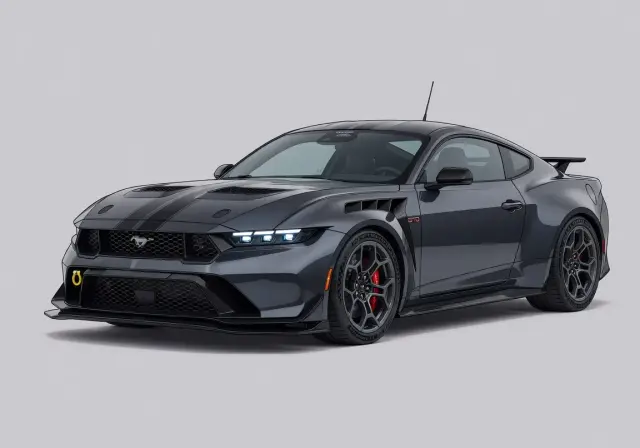 Ford Mustang
2.80s
Ford Mustang
2.80s
-
2
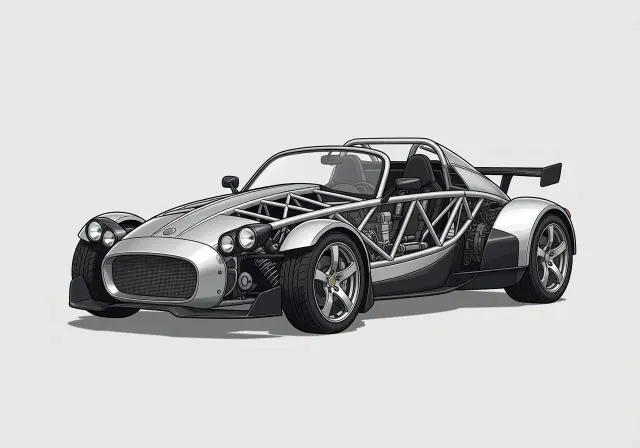 Ariel Atom
2.90s
Ariel Atom
2.90s
-
3
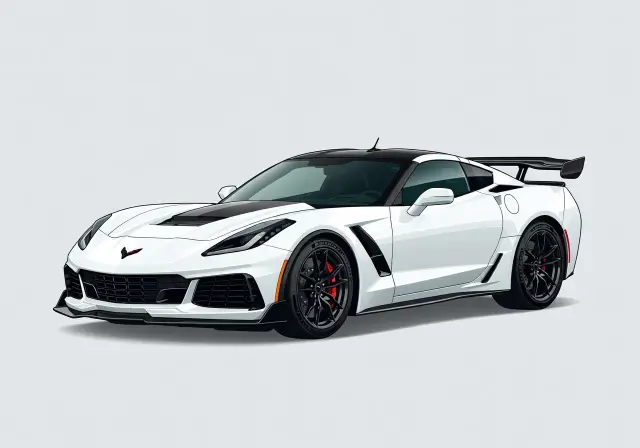 Chevrolet Corvette
3.00s
Chevrolet Corvette
3.00s
-
4
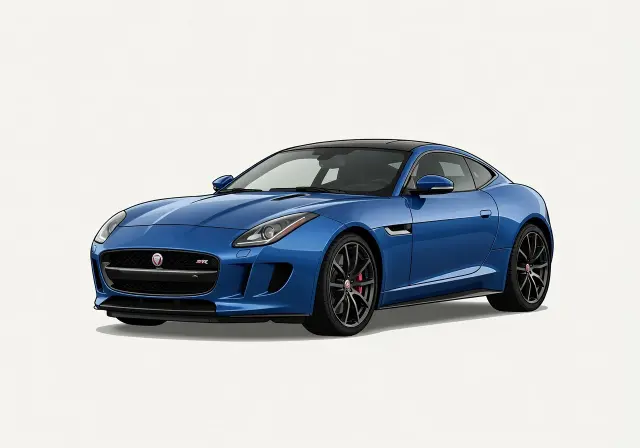 Jaguar F-Type
3.00s
Jaguar F-Type
3.00s
-
5
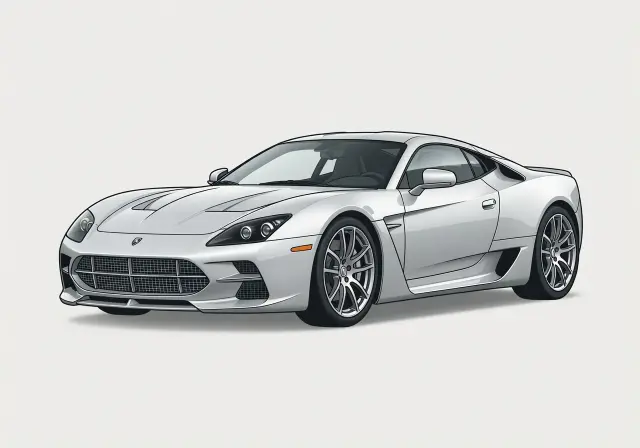 Mosler MT900
3.10s
Mosler MT900
3.10s
-
6
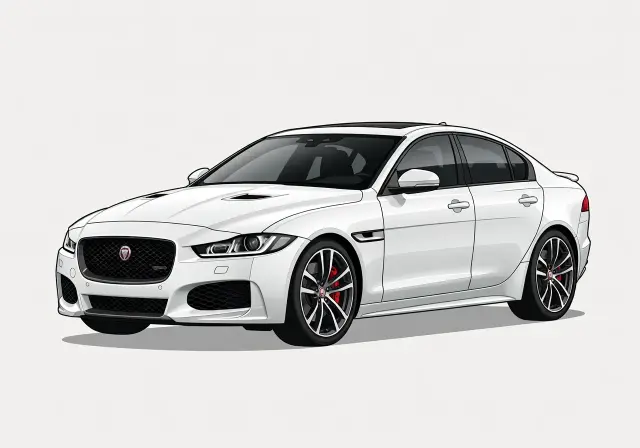 Jaguar XE
3.20s
Jaguar XE
3.20s
-
7
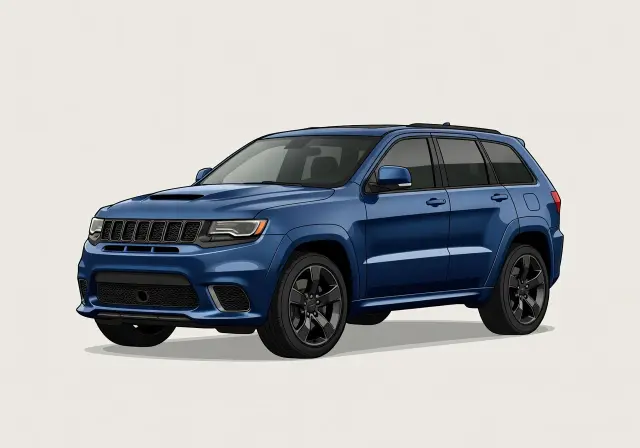 Jeep Grand Cherokee
3.30s
Jeep Grand Cherokee
3.30s
-
8
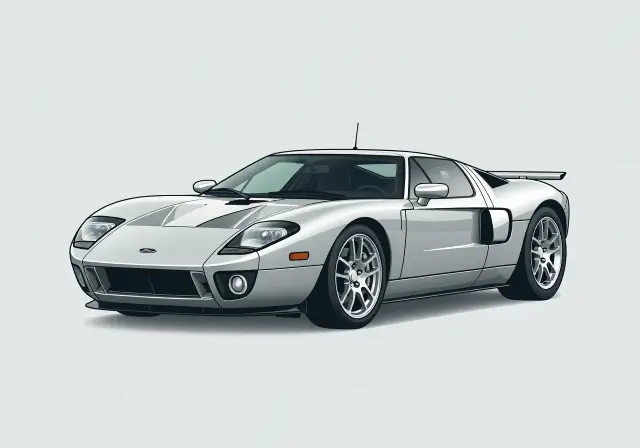 Ford GT
3.30s
Ford GT
3.30s
-
9
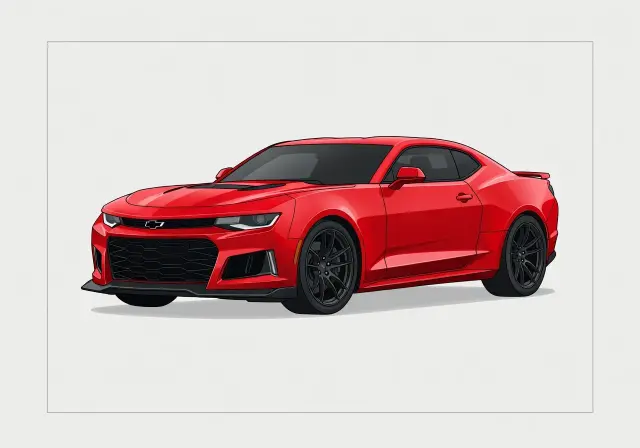 Chevrolet Camaro
3.40s
Chevrolet Camaro
3.40s
-
10
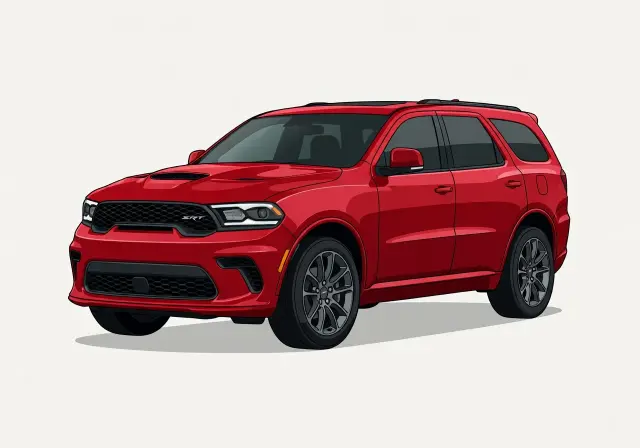 Dodge Durango
3.40s
Dodge Durango
3.40s
02 /
Methodology & Eligibility
- Production-only by default. The canonical ranking counts factory-production vehicles. Use the toggle to include modified / tuner builds.
- One entry per model. Each model is represented by its single fastest verified result — repeated publication tests are collapsed.
- Ranked by 0–60 mph. Lower is faster; ties are broken by the earliest recorded test.
- Verified tests only. Every result comes from an independently published road test in our database.
03 /
Full Rankings
vehicles shown
04 /
Category Statistics
2.80sFastest 0–60 mph
4.50sMedian
4.85sAverage
9.00sSlowest qualifying
83Qualifying vehicles
Median is preferred over average — it is less influenced by a handful of exceptionally quick outliers. Statistics reflect production results only.
05 /
Common Traits Among the Fastest Supercharged Cars
This group is defined by supercharging, with 0 percent turbocharged and 0 percent naturally aspirated entries. Rear-wheel drive is the largest share at 49 percent, followed by all-wheel drive at 36 percent and front-wheel drive at 14 percent. Manuals make up 24 percent of the field, showing that automatics still dominate even in a performance-focused set.
On average, these cars produce 419 hp and 399 lb-ft while weighing 4019 lb, with a median weight of 3957 lb. That yields an average 105.2 hp per 1000 lb, or 9.6 lb per hp. The field also skews modern, averaging model year 2010 and spanning 1988 to 2025.
49%Rear-wheel drive
36%All-wheel drive
14%Front-wheel drive
419 hpAvg horsepower
399 lb-ftAvg torque
4,019 lbAvg curb weight
105.2 hp/1,000 lbPower-to-weight
24%Manual gearbox
0%Turbocharged
2010Avg model year
06 /
Why Horsepower Isn't Everything
Horsepower matters here, but it does not act alone. This field averages 419 hp, yet acceleration also depends on how much mass that power must move. With an average weight of 4019 lb and an average 105.2 hp per 1000 lb, the more useful picture is power relative to weight rather than output by itself.
Gearing, tire grip, and drivetrain layout also shape launch performance. The split between 49 percent rear-wheel drive, 36 percent all-wheel drive, and 14 percent front-wheel drive shows how traction changes the result. That is why lightweight or well-geared cars such as the Ariel Atom can run with, or ahead of, heavier high-horsepower models.
Horsepower vs 0–60 mph
One dot per vehicle · 83 plotted
One dot per vehicle · 83 plotted
2s
4s
6s
8s
200
400
600
800
Horsepower →
0–60 mph (seconds) →
2s
4s
6s
8s
200
400
600
800
Horsepower →
0–60 mph (seconds) →
Top 10 ranked
All other vehicles
Each dot is one vehicle at its fastest verified run. Exact figures for every point are in the full rankings.
07 /
Brands With the Most Supercharged Cars
08 /
Powertrain Breakdown
09 /
Supercharged Cars by Decade
The decade medians show a clear long-term improvement. The 1980s group posted a 6.3-second median, followed by 7.1 in the 1990s. From there the category moved sharply quicker, dropping to 4.5 in the 2000s and 4.4 in the 2010s.
The 2020s push the median down again to 3.8 seconds, the quickest decade in the set. Even with only 13 entries so far, that progression from the earlier decades points to better traction, transmissions, and power delivery across newer supercharged models from brands such as Ford, Jaguar, and Chevrolet.
10 /
Records & Superlatives
The category leader is the Ford Mustang at 2.8 seconds, which also stands as the quickest automatic, rear-wheel-drive, and electric entry in the record set. The quickest manual is the Ariel Atom at 2.9, while the quickest all-wheel-drive model is the Jaguar F-Type at 3.0.
At the other end of the drivetrain spread, the front-wheel-drive record belongs to the Toyota Camry at 5.6, and the hybrid record is the Genesis G90 at 4.9. That gap shows how much launch traction, transmission choice, and platform intent can matter even within one aspiration type.
12 /
Frequently Asked Questions
What is the quickest model in this supercharged ranking?
The quickest entry is the 2025 Ford Mustang, and it reaches 60 mph in 2.8 seconds. That result sets the pace for this group and shows how far the top end now sits from the category median.
How many vehicles are included, and what kind of performance range does the list cover?
This ranking includes 83 vehicles. Across that field, the center of the category sits at 4.5 seconds, the average is 4.85 seconds, and the slowest qualifying result is 9 seconds, so the spread runs from very quick launches to much more moderate performers.
What is a typical 0-60 mph time for supercharged cars?
A typical result is best understood by the middle of the field: the median is 4.5 seconds. The average comes in at 4.85 seconds, which helps show whether a handful of especially quick models are pulling the overall figure downward.
Why are some lower-powered supercharged cars quicker than stronger ones?
Because this ranking is ordered by 0–60 mph, not output alone. Launch traction, drivetrain layout, transmission gearing, and vehicle mass all affect the clock, so some lighter or better-geared Supercharged Cars can outrun more powerful but heavier alternatives.
What qualifies a car for this ranking?
To appear here, a vehicle must be one of the Supercharged Cars and have a recorded 0–60 mph time on file. The list is then sorted by quickest to slowest, with the current benchmark held by the 2025 Ford Mustang at 2.8 seconds.