
Rankings are based on independently published 0–60 mph tests currently included in the 0–60 Specs database. Vehicles without a qualifying published test in our database are not included.
Fastest Twin-Turbo Cars From 0–60 MPH
Median 0–60 mph
4.10sec
Average 4.18s
Qualifying Vehicles
208
1985–2025 model years
Verified Tests
1,356
Tests in this category
01 /
Top 10 Fastest by 0–60 mph
-
1
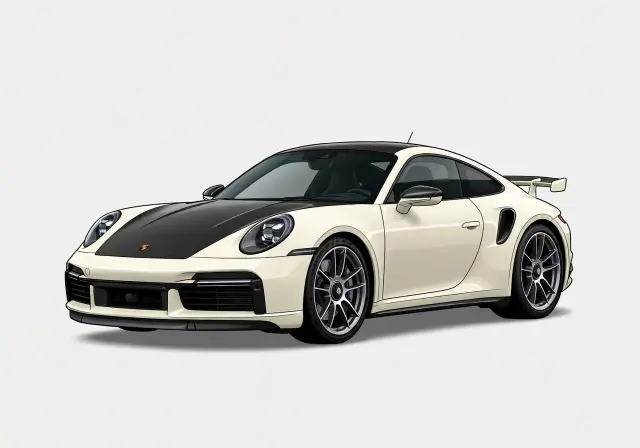 Porsche 911
2.10s
Porsche 911
2.10s
-
2
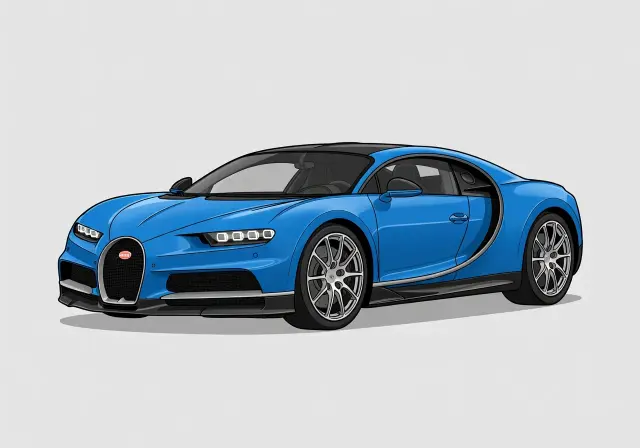 Bugatti Chiron
2.20s
Bugatti Chiron
2.20s
-
3
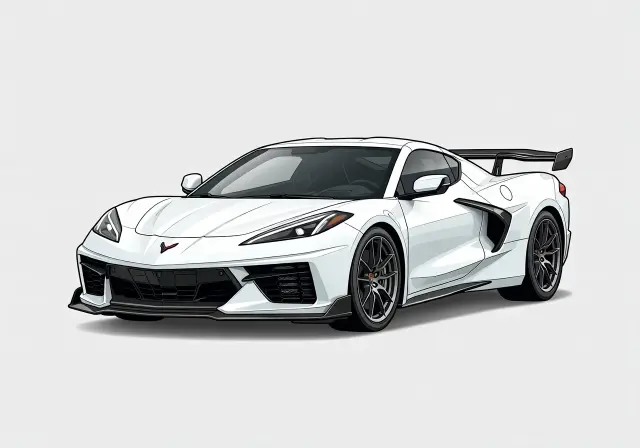 Chevrolet Corvette
2.20s
Chevrolet Corvette
2.20s
-
4
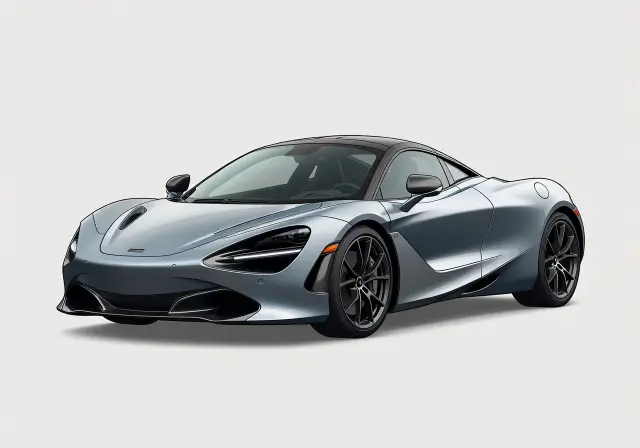 McLaren 750S
2.30s
McLaren 750S
2.30s
-
5
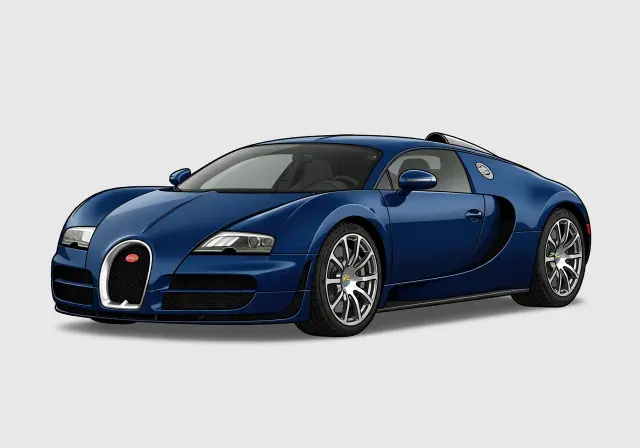 Bugatti Veyron 16.4
2.50s
Bugatti Veyron 16.4
2.50s
-
6
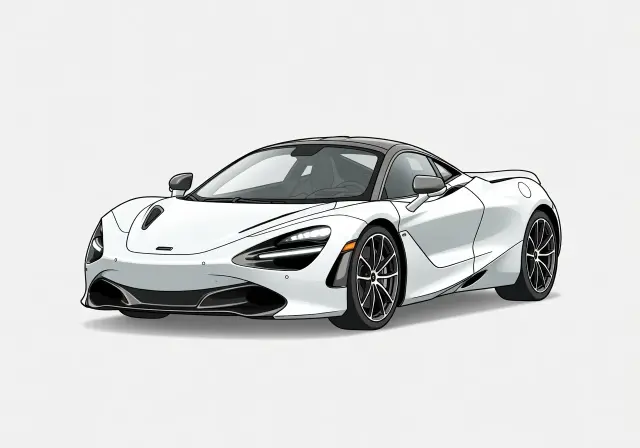 McLaren 720S
2.50s
McLaren 720S
2.50s
-
7
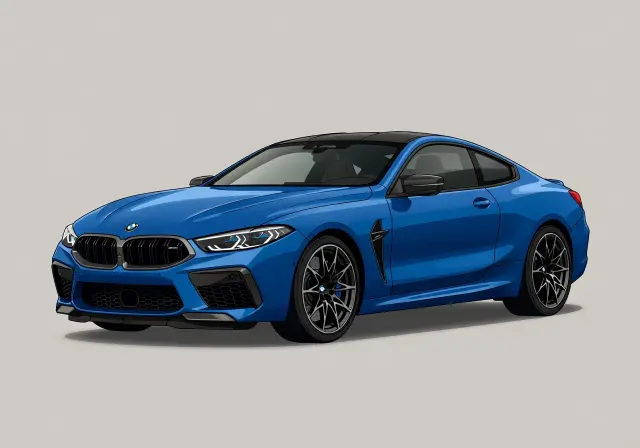 BMW M8
2.50s
BMW M8
2.50s
-
8
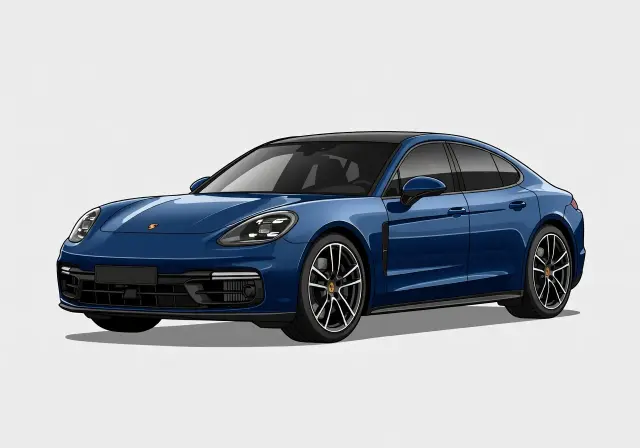 Porsche Panamera
2.60s
Porsche Panamera
2.60s
-
9
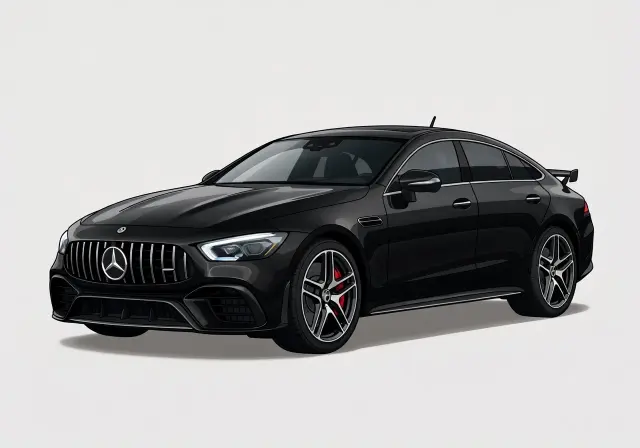 Mercedes-AMG GT63
2.60s
Mercedes-AMG GT63
2.60s
-
10
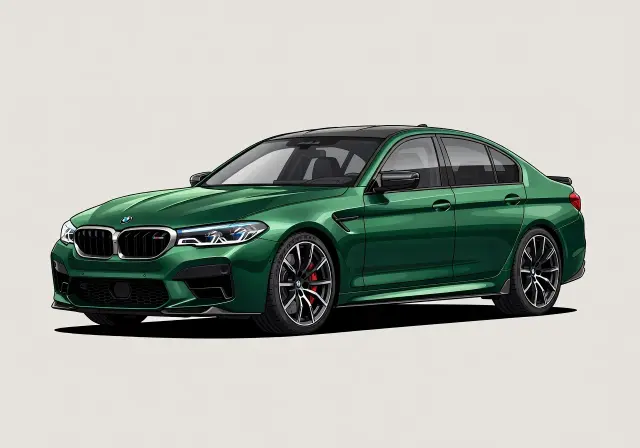 BMW M5
2.60s
BMW M5
2.60s
02 /
Methodology & Eligibility
- Production-only by default. The canonical ranking counts factory-production vehicles. Use the toggle to include modified / tuner builds.
- One entry per model. Each model is represented by its single fastest verified result — repeated publication tests are collapsed.
- Ranked by 0–60 mph. Lower is faster; ties are broken by the earliest recorded test.
- Verified tests only. Every result comes from an independently published road test in our database.
03 /
Full Rankings
vehicles shown
04 /
Category Statistics
2.10sFastest 0–60 mph
4.10sMedian
4.18sAverage
9.00sSlowest qualifying
208Qualifying vehicles
Median is preferred over average — it is less influenced by a handful of exceptionally quick outliers. Statistics reflect production results only.
05 /
Common Traits Among the Fastest Twin-Turbo Cars
This field is defined by forced induction: turbocharged accounts for 100 percent and naturally aspirated for 0 percent. Average output sits at 500 hp and 502 lb-ft, paired with an average weight of 4445 lb and a power-to-weight figure of 117 hp per 1000 lb, or 8.9 lb per hp.
Drivetrain choice leans toward traction, with AWD at 59 percent, RWD at 41 percent, and FWD effectively absent at 0 percent, with only 1 car in the group. Manuals are uncommon at 9 percent, which fits a category where quick-shifting automatics and launch-friendly AWD dominate the quickest results.
41%Rear-wheel drive
59%All-wheel drive
0%Front-wheel drive
500 hpAvg horsepower
502 lb-ftAvg torque
4,445 lbAvg curb weight
117 hp/1,000 lbPower-to-weight
9%Manual gearbox
100%Turbocharged
2015Avg model year
06 /
Why Horsepower Isn't Everything
Raw output helps, but it does not settle a 0-60 mph ranking by itself. This group averages 500 hp, yet it also averages 4445 lb, so acceleration depends on how that power is multiplied and delivered. The category-wide power-to-weight figure of 117 hp per 1000 lb, or 8.9 lb per hp, gives a clearer baseline than horsepower alone.
From there, gearing, tire grip, and drivetrain layout shape the launch. AWD's 59 percent share shows how important traction is, while a lighter or better-geared car can outperform heavier rivals with similar output. That is why some cars punch above their horsepower rating and others do not.
Horsepower vs 0–60 mph
One dot per vehicle · 208 plotted
One dot per vehicle · 208 plotted
2s
4s
6s
8s
0
500
1,000
1,500
Horsepower →
0–60 mph (seconds) →
2s
4s
6s
8s
0
500
1,000
1,500
Horsepower →
0–60 mph (seconds) →
Top 10 ranked
All other vehicles
Each dot is one vehicle at its fastest verified run. Exact figures for every point are in the full rankings.
07 /
Brands With the Most Twin-Turbo Cars
08 /
Powertrain Breakdown
09 /
Twin-Turbo Cars by Decade
Over time, this group has become much quicker to 60 mph. The 1980s median stands at 5.0 seconds, the 1990s improve to 4.5, the 2000s move back to 5.1, and the 2010s drop to 4.2. By the 2020s, the median reaches 3.5 seconds, the strongest decade in the set.
That progression points to better traction management, transmission calibration, and broader use of high-output AWD layouts, not just more power. It also reflects how modern twin-turbo performance has spread beyond a few halo models to a much larger share of the field, especially from the 2010s onward.
10 /
Records & Superlatives
The category leader among turbocharged entries is the 2021 Porsche 911 at 2.1 seconds, and it also sets the AWD and automatic marks. Rear-drive is close behind with the 2025 Chevrolet Corvette at 2.2, while the quickest dual-clutch result is the 2011 Bugatti Veyron 16.4 at 2.5.
Farther down the spread, the manual record belongs to the 2005 Noble M12 at 3.3, the hybrid mark to the 2021 Audi RS 6 at 3.1, and the lone FWD benchmark to the 2002 Volvo S80 at 6.3. The gap shows how much launch traction and transmission strategy matter inside the same twin-turbo theme.
12 /
Frequently Asked Questions
What is the quickest car in this twin-turbo ranking?
The quickest entry is the 2021 Porsche 911, and it reaches 60 mph in 2.1 seconds. It is a 2021 model with 640 hp, and it sets the pace for this group on the 0-60 mph measure.
How many twin-turbo cars are included, and how wide is the performance spread?
This ranking includes 208 vehicles. The field runs from the record-holding 2.1 seconds at the top to 9 seconds at the back, which shows how broad twin-turbo performance can be within the same category.
What does typical 0-60 mph performance look like for these cars?
The median result is 4.1 seconds, while the average is 4.18 seconds. Those two figures give a useful snapshot of the middle of the field and the overall pace across these Twin-Turbo Cars, not just the quickest examples.
Why is the ranking based on 0-60 mph instead of horsepower?
Because 0–60 mph captures the full launch result, not just engine output. Weight, gearing, tire grip, and drivetrain all affect how quickly a car reaches 60 mph, so the order reflects real acceleration rather than a single spec-sheet number.
What qualifies a vehicle for this category?
A vehicle needs to fit the Twin-Turbo Cars definition and have a recorded 0–60 mph time to appear here. Once it qualifies, placement is determined by the quickest run, with lower times ranking ahead of slower ones.