
Rankings are based on independently published quarter-mile tests currently included in the 0–60 Specs database. Vehicles without a qualifying published test in our database are not included.
Fastest Cars of the 2000s in the Quarter Mile
Median Quarter Mile 14.70sec Average 14.60s
Qualifying Vehicles 431 2000–2009 model years
Average Trap Speed 97.9mph Highest 142.0 mph · Bugatti Veyron 16.4
01 /
Top 10 Fastest by Quarter Mile
- 1
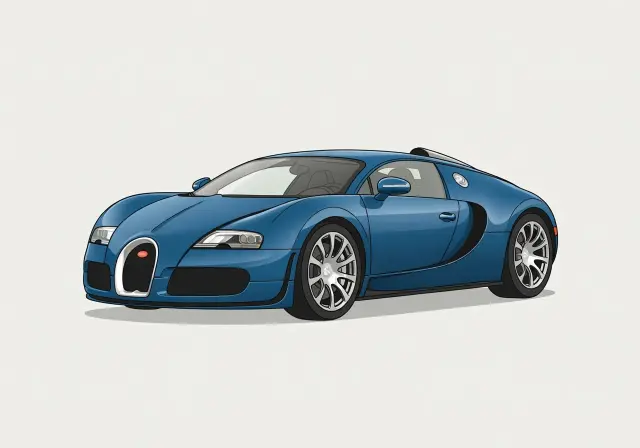 Bugatti Veyron 16.4 10.10s142.0 mph
- 2
 Saleen S7 10.60s139.8 mph
- 3
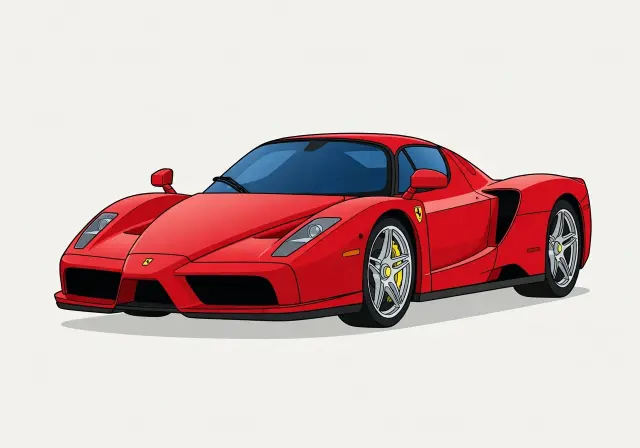 Ferrari Enzo 10.80s135.0 mph
- 4
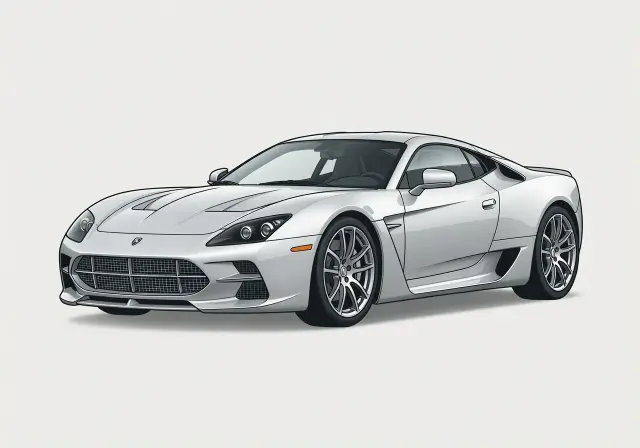 Mosler MT900 11.00s135.0 mph
- 5
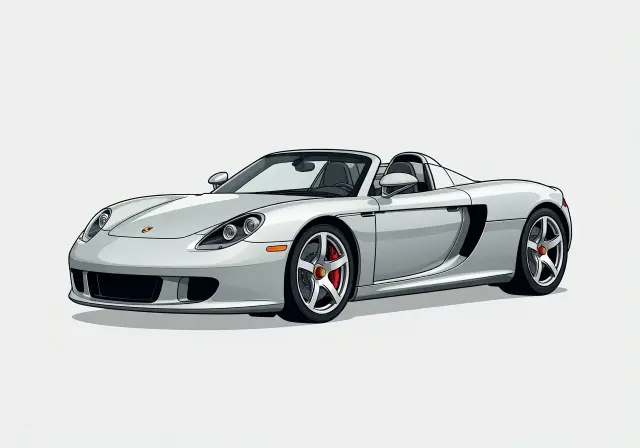 Porsche Carrera GT 11.10s133.4 mph
- 6
 Chevrolet Corvette 11.20s130.5 mph
- 7
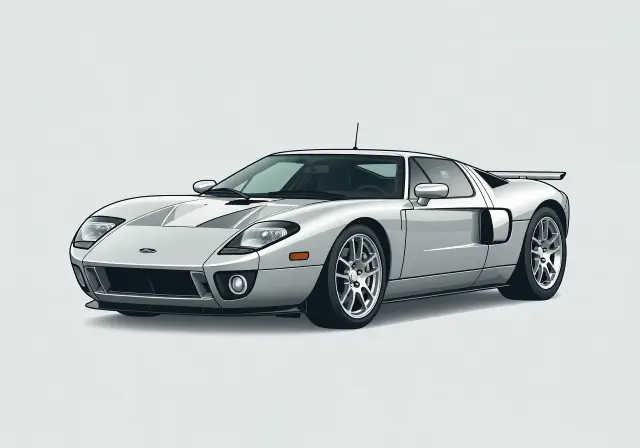 Ford GT 11.20s131.2 mph
- 8
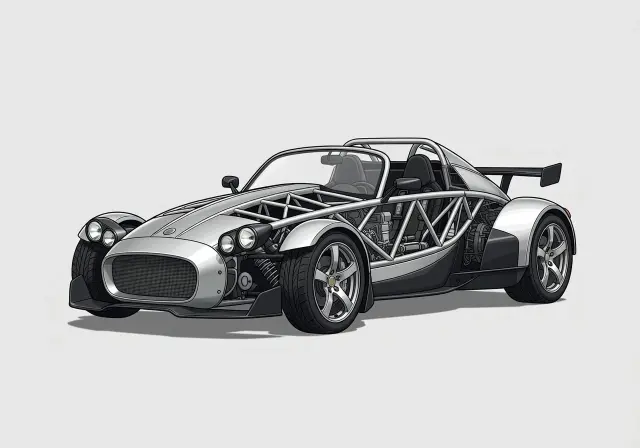 Ariel Atom 11.20s125.0 mph
- 9
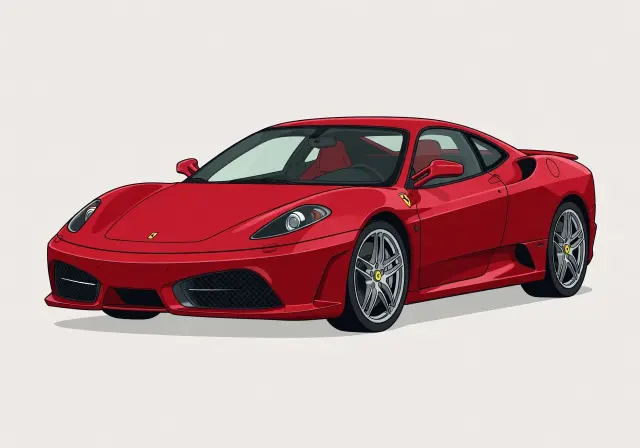 Ferrari 430 11.20s126.7 mph
- 10
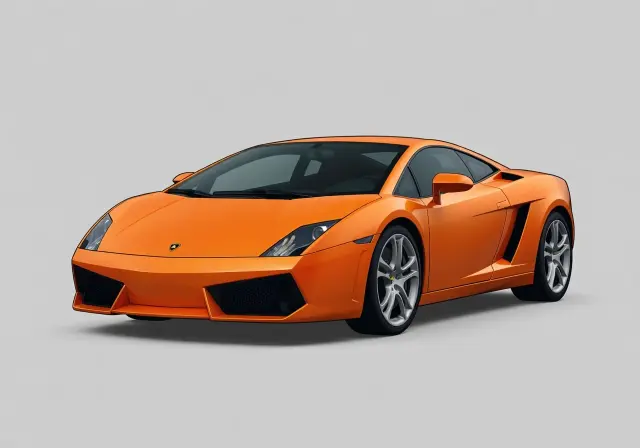 Lamborghini Gallardo 11.20s130.0 mph
02 /
Methodology & Eligibility
- Production-only by default. The canonical ranking counts factory-production vehicles. Use the toggle to include modified / tuner builds.
- One entry per model. Each model is represented by its single fastest verified result — repeated publication tests are collapsed.
- Ranked by Quarter Mile. Lower is faster; ties are broken by the earliest recorded test. Elapsed time from a standing start over a quarter mile — trap speed is shown alongside it but does not affect the order.
- Verified tests only. Every result comes from an independently published road test in our database.
03 /
Full Rankings
vehicles shown
04 /
Category Statistics
10.10sFastest Quarter Mile
14.70sMedian
14.60sAverage
19.50sSlowest qualifying
431Qualifying vehicles
97.9 mphAverage trap speed
142.0 mphHighest trap speed
Median is preferred over average — it is less influenced by a handful of exceptionally quick outliers. Statistics reflect production results only. Trap speed is recorded as the car crosses the quarter-mile stripe and is reported for 429 of the 431 qualifying vehicles.
05 /
Common Traits Among the Fastest Cars of the 2000s
This group spans 431 cars from 2000 to 2009 and leans rear-drive, with RWD at 42 percent, AWD at 33 percent, and FWD at 25 percent. Average output is 310 hp and 309 lb-ft, against an average weight of 3914 lb and a median weight of 3845 lb. That works out to 80.5 hp per 1000 lb, or 12.6 lb per hp, with an average quarter-mile trap speed of 98 mph.
Naturally aspirated cars dominate the mix at 74 percent, while turbocharged models account for 16 percent. Manuals make up 31 percent of the field. The roster is also overwhelmingly gasoline-powered at 97 percent, with only small hybrid and diesel shares and a single electric entry, the Tesla Roadster.
42%Rear-wheel drive
33%All-wheel drive
25%Front-wheel drive
310 hpAvg horsepower
309 lb-ftAvg torque
3,914 lbAvg curb weight
80.5 hp/1,000 lbPower-to-weight
31%Manual gearbox
16%Turbocharged
2006Avg model year
06 /
What Decides a Quarter-Mile Time
Quarter-mile elapsed time rewards power, but it does not reduce to power alone. In this field, the average car brings 310 hp, 12.6 lb per hp, and a 98 mph trap speed, so power-to-weight clearly matters because the car is still accelerating at the stripe. Trap speed is the cleaner read on that sustained pulling ability through the back half of the run.
Elapsed time also depends on how well the car leaves the line. Launch quality, gearing, traction, and weight shape the first 60 feet, and a weak start usually stays in the result all the way to the quarter-mile marker. That is why two cars can arrive with similar speed at the end but different ETs, and why this ranking is ordered by time rather than trap speed.
Horsepower vs Quarter Mile
One dot per vehicle · 430 plotted 320 of 430 vehicles, evenly sampled
10s 12s 14s 16s 18s 20s 0 200 400 600 800 1,000 Horsepower → Quarter Mile (seconds) →
10s 12s 14s 16s 18s 20s 0 200 400 600 800 1,000 Horsepower → Quarter Mile (seconds) →
Top 10 ranked All other vehicles
Each dot is one vehicle at its fastest verified run. Exact figures for every point are in the full rankings.
07 /
Brands With the Most Cars of the 2000s
08 /
Powertrain Breakdown
09 /
Cars of the 2000s by Decade
Within this category, the decade view is simple because the field is entirely made up of 2000s models. The median quarter-mile figure for the 2000s is 14.7, based on 431 qualifying cars. That places the typical entry in the mid-14-second range even though the quickest examples, led by the Bugatti Veyron 16.4, are much faster.
Because only the 2000s decade is represented here, there is no cross-decade median comparison to show earlier or later change inside this group. What this page does show clearly is the spread within one decade, from mass-market models to low-volume exotics such as the Ferrari Enzo and Saleen S7.
10 /
Records & Superlatives
The record set shows how different paths produce quarter-mile results. The turbocharged and AWD benchmark is the Bugatti Veyron 16.4 at 10.1 and 142 mph, while the naturally aspirated mark belongs to the Ferrari Enzo at 10.8 and 135 mph. The rear-drive and manual standard is the Saleen S7 at 10.6 and 139.8 mph, and the electric record is the Tesla Roadster at 12.7 and 105.3 mph.
The spread in both ET and trap speed shows that stronger terminal speed does not automatically mean the quicker run. In the top ten, the Ford GT trapped 131.2 mph yet matched the 11.2 ET of the Chevrolet Corvette at 130.5 mph and the Lamborghini Gallardo at 130 mph. The Ariel Atom also ran 11.2 despite a lower 125 mph trap, underscoring how launch and early-run efficiency affect ET.
12 /
Frequently Asked Questions
Which car is quickest here in the quarter mile?
The quickest is the 2008 Bugatti Veyron 16.4, which covered the quarter mile in 10.1 seconds and crossed at 142 mph. It is the benchmark for this set of Cars of the 2000s, and its result leads the ranking because this page is ordered by elapsed time, not by trap speed.
How many 2000s cars are included, and what is the performance spread?
This ranking includes 431 qualifying entries. The middle of the field sits at 14.7 seconds, the overall average is 14.6 seconds, and the slowest qualifying result is 19.5 seconds. That gives a useful sense of how broad quarter-mile performance was across Cars of the 2000s.
What is a typical trap speed for this group?
Across the full ranking, the average quarter-mile trap speed is 97.9 mph. That figure helps show the field's general power-to-weight level, while the elapsed-time order still depends heavily on how well each car launched and carried the first part of the run.
Why is the ranking sorted by quarter-mile time instead of trap speed?
Elapsed time is the primary result because it captures the whole pass from launch to finish. Trap speed is valuable, but it mainly reflects back-half acceleration and power-to-weight. A car can trap higher yet still place lower if it gave away time early in the run.
What counts as a qualifying result on this page?
Each vehicle is represented by its single fastest verified quarter mile result. In other words, every model is listed by the quickest run it recorded, and the ranking compares those best passes rather than averaging multiple tests or mixing slower runs.