
Rankings are based on independently published quarter-mile tests currently included in the 0–60 Specs database. Vehicles without a qualifying published test in our database are not included.
Fastest Cars of the 1990s in the Quarter Mile
Median Quarter Mile 15.70sec Average 15.69s
Qualifying Vehicles 272 1990–1999 model years
Average Trap Speed 89.8mph Highest 138.0 mph · McLaren F1
01 /
Top 10 Fastest by Quarter Mile
- 1
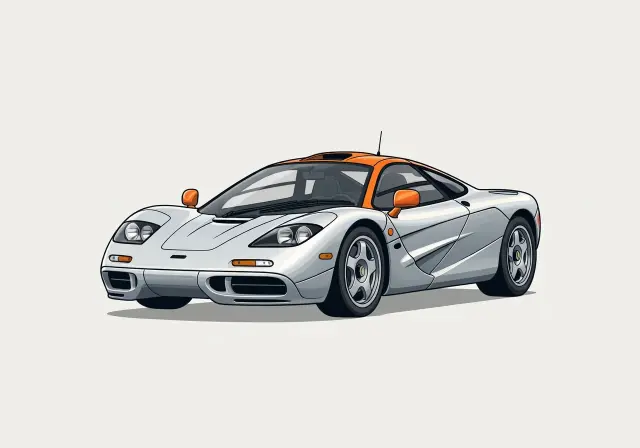 McLaren F1 11.10s138.0 mph
- 2
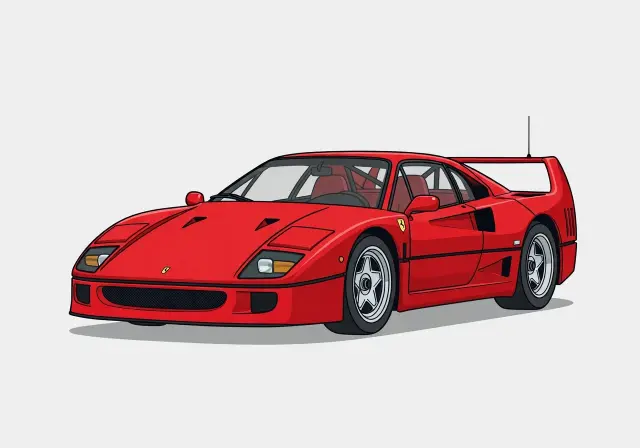 Ferrari F40 11.80s124.5 mph
- 3
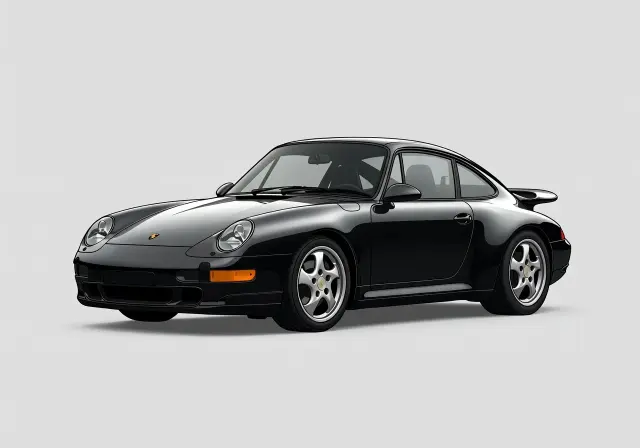 Porsche 911 11.90s116.6 mph
- 4
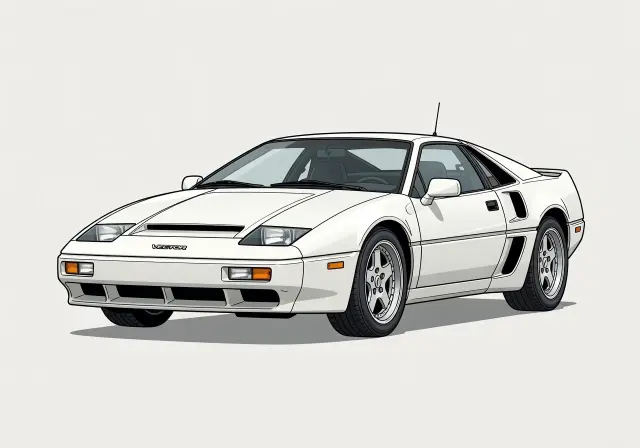 Vector W8 Twin Turbo 12.00s118.0 mph
- 5
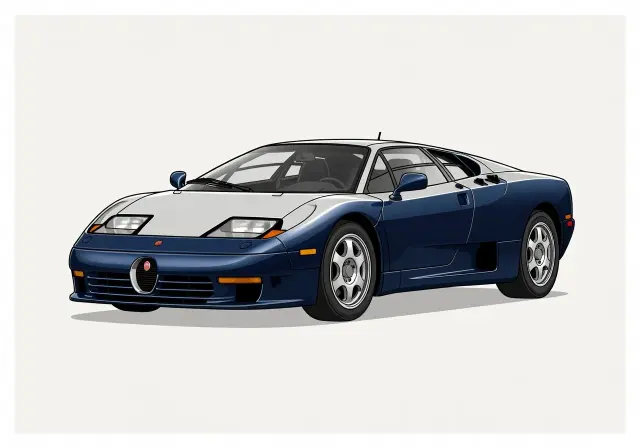 Bugatti EB 110 12.00s
- 6
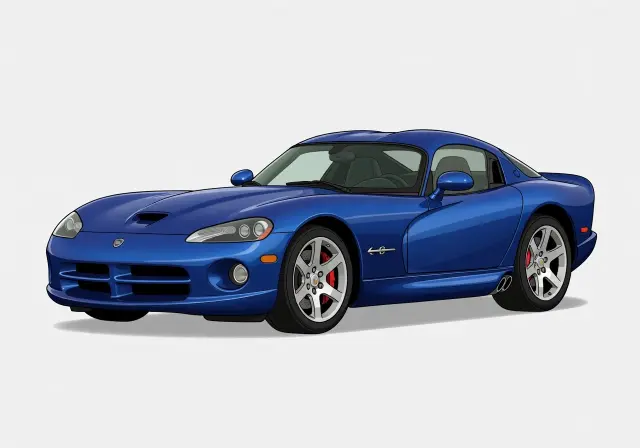 Dodge Viper 12.10s120.5 mph
- 7
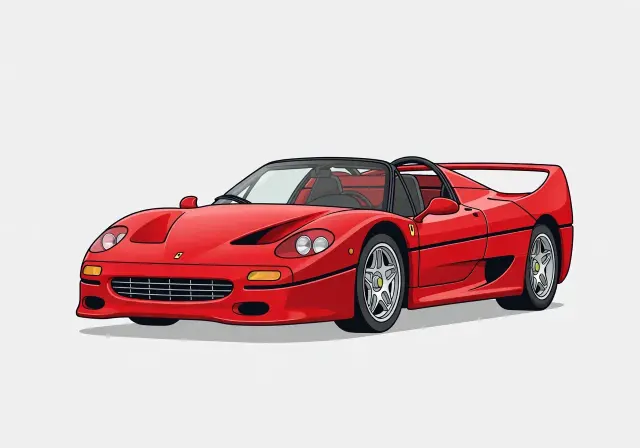 Ferrari F50 12.10s123.0 mph
- 8
 Jaguar XJ220 12.40s
- 9
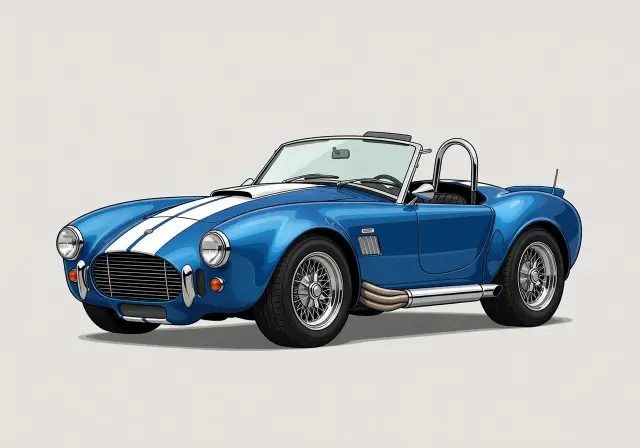 Shelby AC Cobra 12.60s110.0 mph
- 10
 Lamborghini Diablo 12.60s119.0 mph
02 /
Methodology & Eligibility
- Production-only by default. The canonical ranking counts factory-production vehicles. Use the toggle to include modified / tuner builds.
- One entry per model. Each model is represented by its single fastest verified result — repeated publication tests are collapsed.
- Ranked by Quarter Mile. Lower is faster; ties are broken by the earliest recorded test. Elapsed time from a standing start over a quarter mile — trap speed is shown alongside it but does not affect the order.
- Verified tests only. Every result comes from an independently published road test in our database.
03 /
Full Rankings
vehicles shown
04 /
Category Statistics
11.10sFastest Quarter Mile
15.70sMedian
15.69sAverage
20.30sSlowest qualifying
272Qualifying vehicles
89.8 mphAverage trap speed
138.0 mphHighest trap speed
Median is preferred over average — it is less influenced by a handful of exceptionally quick outliers. Statistics reflect production results only. Trap speed is recorded as the car crosses the quarter-mile stripe and is reported for 268 of the 272 qualifying vehicles.
05 /
Common Traits Among the Fastest Cars of the 1990s
This group centers on gasoline performance cars from 1990 to 1999, with rear-wheel drive the largest share at 42%, followed by front-wheel drive at 35% and all-wheel drive at 24%. Average output is 231 hp and 246 lb-ft, average weight is 3560 lb, and the typical power-to-weight figures are 66 hp per 1000 lb and 15.4 lb per hp.
The quarter-mile profile is shaped by an average trap speed of 90 mph, an 80% naturally aspirated mix, and 13% turbocharged. Manuals account for 45% of the field. At the front, cars such as the 1994 McLaren F1, 1991 Ferrari F40, and 1997 Porsche 911 show how varied the quickest combinations were.
42%Rear-wheel drive
24%All-wheel drive
35%Front-wheel drive
231 hpAvg horsepower
246 lb-ftAvg torque
3,560 lbAvg curb weight
66 hp/1,000 lbPower-to-weight
45%Manual gearbox
13%Turbocharged
1995Avg model year
06 /
What Decides a Quarter-Mile Time
Quarter-mile elapsed time depends on more than peak output. In this field, the averages of 231 hp, 15.4 lb per hp, and a 90 mph trap speed show that power matters because the car is still accelerating through the lights. Trap speed is the cleaner read on power-to-weight, while elapsed time also captures how effectively the run began.
That is why launch quality, gearing, traction, and weight matter so much. The first 60 feet shape the entire pass, and a poor start usually stays with the run. Two cars can arrive at different elapsed times even when their speed at the stripe suggests similar acceleration once moving, which is why this ranking is ordered by quarter-mile time rather than trap speed.
Horsepower vs Quarter Mile
One dot per vehicle · 271 plotted One dot per vehicle · 271 plotted
12s 14s 16s 18s 20s 0 200 400 600 Horsepower → Quarter Mile (seconds) →
12s 14s 16s 18s 20s 0 200 400 600 Horsepower → Quarter Mile (seconds) →
Top 10 ranked All other vehicles
Each dot is one vehicle at its fastest verified run. Exact figures for every point are in the full rankings.
07 /
Brands With the Most Cars of the 1990s
08 /
Powertrain Breakdown
09 /
Cars of the 1990s by Decade
Within this category, the decade snapshot is straightforward: the 1990s field contains 272 qualifying cars and carries a median quarter-mile time of 15.7. That places the middle of the pack firmly in the mid-15-second range, even though the leading edge reaches down to 11.1 with the 1994 McLaren F1.
Because the decade breakdown provided here includes only the 1990s, the broader cross-decade trend cannot be extended further on this page. What can be said is that the 1990s itself spans a wide performance range, from supercars near the front to much slower qualifiers deeper in the order, with the median at 15.7 anchoring the era's typical quarter-mile result.
10 /
Records & Superlatives
The record holders show how different paths produce different quarter-mile results. The naturally aspirated and rear-wheel-drive benchmark is the 1994 McLaren F1 at 11.1 and 138 mph, while the turbocharged leader is the 1991 Ferrari F40 at 11.8 and 124.5 mph. The all-wheel-drive leader, the 1997 Porsche 911, records 11.9 at 116.6 mph, and the automatic leader, the 1991 Vector W8 Twin Turbo, runs 12 at 118 mph.
The spread explains the difference between speed potential and elapsed-time execution. The 1997 Ferrari F50 shows 123 mph but posts 12.1, while the 1997 Porsche 911 is slower at 116.6 mph yet quicker at 11.9. That is the clearest reminder that a higher trap speed does not automatically mean the quicker quarter-mile time. At the other end, the electric 1997 GM EV1 sets 16.2 at 78.8 mph.
12 /
Frequently Asked Questions
Which 1990s car is quickest in the quarter mile?
The quickest is 1994 McLaren F1, which covered the quarter mile in 11.1 seconds and crossed at 138 mph. That run sets the benchmark for Cars of the 1990s on this page.
How many 1990s cars qualify, and how wide is the performance spread?
This ranking includes 272 vehicles. The middle result is 15.7 seconds, the average is 15.69 seconds, and the slowest qualifying entry covered the quarter mile in 20.3 seconds, so the field covers a broad range from the leader to the back of the list.
What is a typical quarter-mile trap speed for 1990s cars here?
The average trap speed across the ranking is 89.8 mph. That figure helps show the group's overall power-to-weight level, while quarter-mile elapsed time also reflects how well each car launched and used its traction early in the run.
Why is the ranking sorted by quarter-mile time instead of trap speed?
Quarter-mile time decides the order because it measures the whole pass, not just the speed at the finish. Trap speed is useful for showing power-to-weight, but ET also captures the launch, gearing, traction, and how cleanly a car put the run together.
What counts as a qualifying result for this 1990s quarter-mile list?
Each vehicle appears with its single fastest verified quarter-mile run. That means the ranking uses one best result per model entry, then orders Cars of the 1990s by who covered the quarter mile in quickest rather than by averages or multiple test runs.