
Rankings are based on independently published quarter-mile tests currently included in the 0–60 Specs database. Vehicles without a qualifying published test in our database are not included.
Fastest Electric Cars in the Quarter Mile
Median Quarter Mile 12.70sec Average 13.14s
Qualifying Vehicles 121 1997–2027 model years
Average Trap Speed 107.3mph Highest 154.8 mph · Lucid Air
01 /
Top 10 Fastest by Quarter Mile
- 1
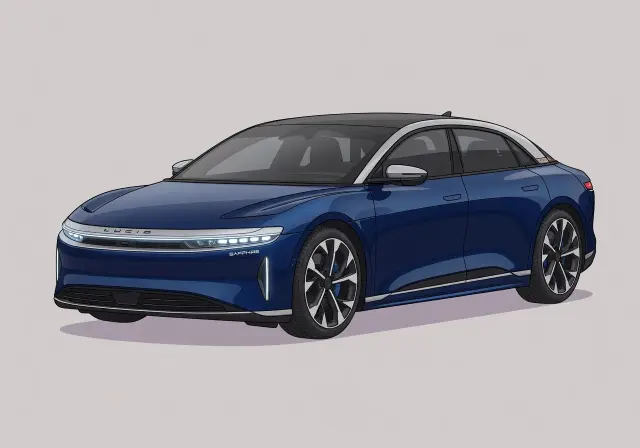 Lucid Air 9.00s154.8 mph
 - 2
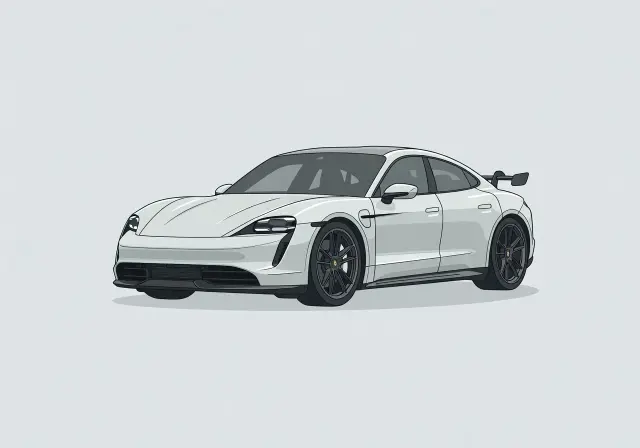 Porsche Taycan 9.20s150.1 mph
 - 3
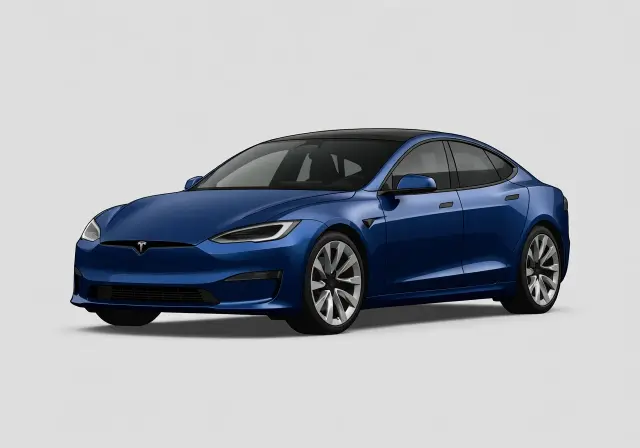 Tesla Model S 9.25s152.6 mph
 - 4
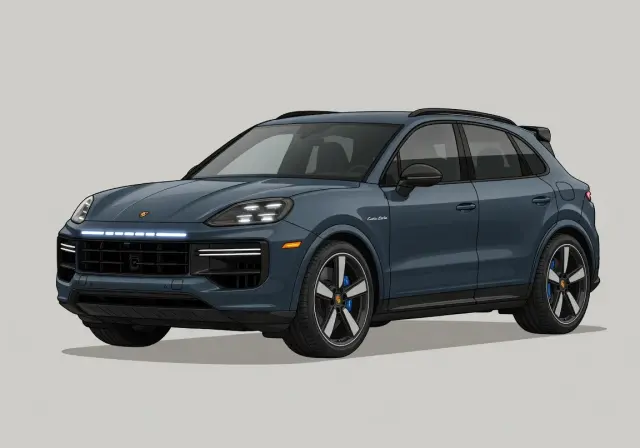 Porsche Cayenne 9.50s146.0 mph
 - 5
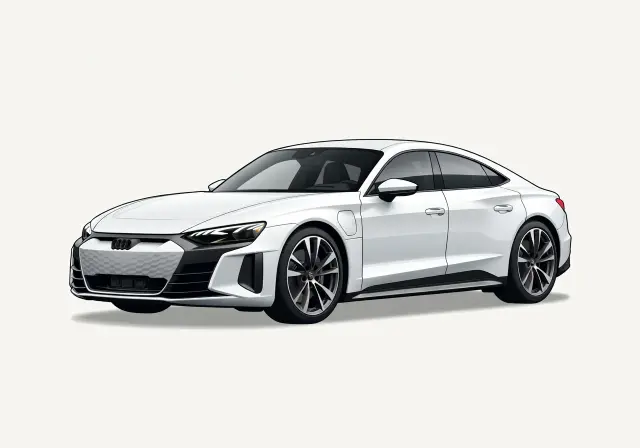 Audi RS e-tron GT 9.80s139.0 mph
 - 6
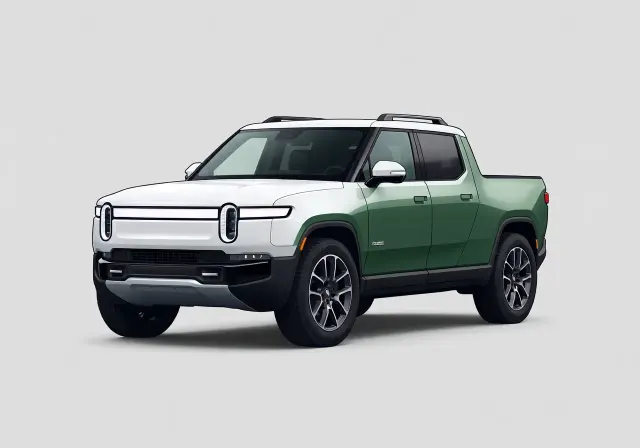 Rivian R1T 10.40s128.6 mph
 - 7
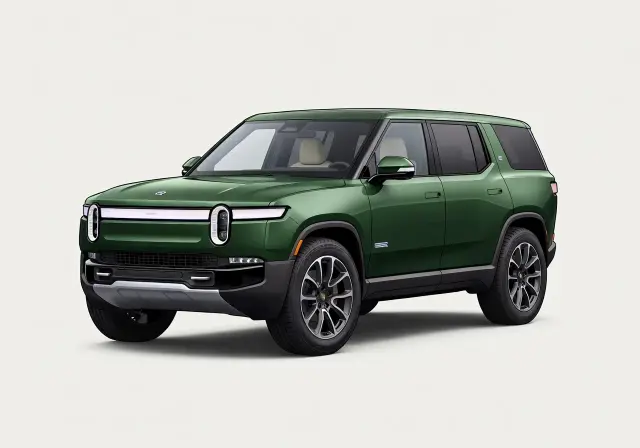 Rivian R1S 10.50s128.2 mph
 - 8
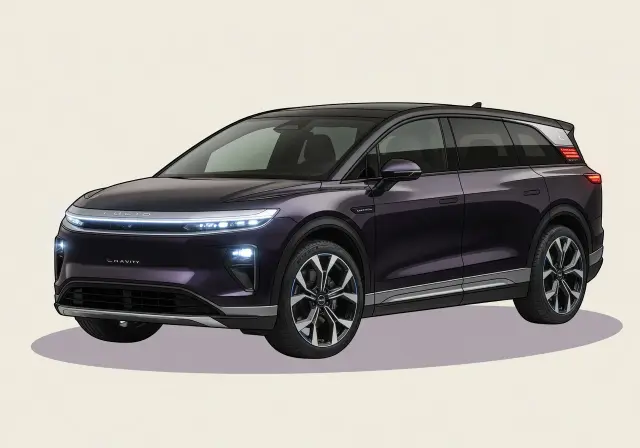 Lucid Gravity 10.60s140.0 mph
 - 9
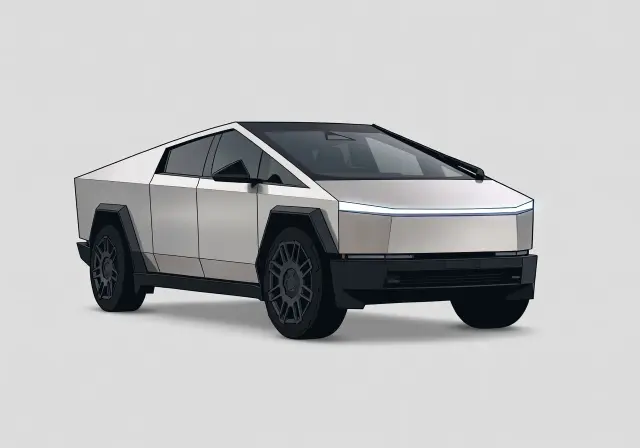 Tesla Cybertruck 11.00s119.0 mph
 - 10
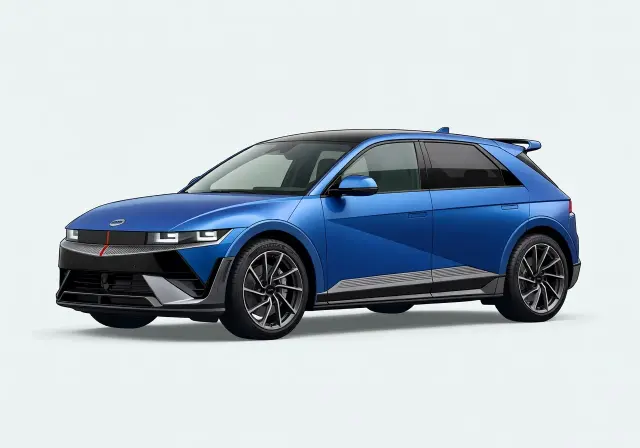 Hyundai Ioniq 5 11.00s124.9 mph
02 /
Methodology & Eligibility
- Production-only by default. The canonical ranking counts factory-production vehicles. Use the toggle to include modified / tuner builds.
- One entry per model. Each model is represented by its single fastest verified result — repeated publication tests are collapsed.
- Ranked by Quarter Mile. Lower is faster; ties are broken by the earliest recorded test. Elapsed time from a standing start over a quarter mile — trap speed is shown alongside it but does not affect the order.
- Verified tests only. Every result comes from an independently published road test in our database.
03 /
Full Rankings
vehicles shown
04 /
Category Statistics
9.00sFastest Quarter Mile
12.70sMedian
13.14sAverage
20.30sSlowest qualifying
121Qualifying vehicles
107.3 mphAverage trap speed
154.8 mphHighest trap speed
Median is preferred over average — it is less influenced by a handful of exceptionally quick outliers. Statistics reflect production results only. Trap speed is recorded as the car crosses the quarter-mile stripe and is reported for 121 of the 121 qualifying vehicles.
05 /
Common Traits Among the Fastest EVs
These EVs are overwhelmingly all-wheel drive: 76% AWD, 15% FWD, and 9% RWD. As a group they average 465 hp, 516 lb-ft, and 5,160 lb, with 86.2 hp per 1,000 lb and 11.1 lb per hp. The average quarter-mile trap speed is 108 mph, which frames the pace of the field beyond just elapsed time.
The mix is almost entirely pure electric, with 1% turbocharged and 0% naturally aspirated entries, while manuals account for 0%. The newest-heavy spread also matters: the average model year is 2023, with vehicles ranging from 1997 to 2027.
9%Rear-wheel drive
77%All-wheel drive
14%Front-wheel drive
461 hpAvg horsepower
516 lb-ftAvg torque
5,151 lbAvg curb weight
86 hp/1,000 lbPower-to-weight
0%Manual gearbox
1%Turbocharged
2023Avg model year
06 /
What Decides a Quarter-Mile Time
Quarter-mile elapsed time is not decided by output alone. This field averages 465 hp and 86.2 hp per 1,000 lb, and its average trap speed is 108 mph, so power-to-weight clearly matters because these cars are still accelerating at the stripe. Trap speed is the cleaner read on how much power a car carries relative to its mass.
But elapsed time also depends on what happened in the first 60 feet. Launch calibration, gearing, traction, and 5,160 lb average weight shape the leave, and a poor start is hard to recover from over a quarter mile. That is why two EVs can show similar speed at the end yet different elapsed times.
Horsepower vs Quarter Mile
One dot per vehicle · 118 plotted One dot per vehicle · 118 plotted
10s 12.5s 15s 17.5s 20s 0 250 500 750 1,000 1,250 Horsepower → Quarter Mile (seconds) →
10s 12.5s 15s 17.5s 20s 0 250 500 750 1,000 1,250 Horsepower → Quarter Mile (seconds) →
Top 10 ranked All other vehicles
Each dot is one vehicle at its fastest verified run. Exact figures for every point are in the full rankings.
07 /
Brands With the Most EVs
08 /
Powertrain Breakdown
09 /
EVs by Decade
The decade medians show a clear improvement in quarter-mile elapsed time. The 1990s group posts an 18.3-second median, the 2010s improve to 16 seconds, and the 2020s fall to 12.5 seconds. That progression captures how much quicker modern EVs have become over the full quarter mile, not only in short sprint metrics.
The shape of the field reinforces it: 100 of the 117 qualifying vehicles come from the 2020s, versus 15 from the 2010s and 2 from the 1990s. With an average model year of 2023, this is a modern set, and its quarter-mile results reflect rapid recent gains in traction, battery output, and drivetrain execution.
10 /
Records & Superlatives
The record set shows how quarter-mile time and trap speed do not always move in lockstep. The 2025 Lucid Air leads the electric and AWD marks at 9 seconds and 154.8 mph, while the 2025 Porsche Taycan holds the automatic mark at 9.2 seconds and 150.1 mph. The 2025 Ford Mustang is the quickest RWD car at 10.6 seconds and 133 mph, and the 2022 Hyundai Kona leads FWD at 14.7 seconds and 97 mph.
The spread also highlights that higher trap speed does not guarantee the quicker elapsed time. In the ranking, the 2021 Tesla Model S traps 152.6 mph but runs 9.25 seconds, while the Taycan is quicker at 9.2 seconds despite a lower 150.1 mph trap. That difference points back to the launch and early part of the run, not just top-end pull.
12 /
Frequently Asked Questions
Which EV is quickest in the quarter mile?
The quickest is the 2025 Lucid Air, which covered the quarter mile in 9 seconds and crossed at 154.8 mph. It is a 2025 model, and its result sets the pace for the entire EVs field on this page.
What trap speed does the fastest EV run in the quarter mile?
The leader, 2025 Lucid Air, posts a quarter-mile trap speed of 154.8 mph. That matters because trap speed says more about power-to-weight, while elapsed time also depends on how cleanly the car launched and how much time it gave away early.
What is a typical quarter-mile result for EVs here?
Across 121 qualifying EVs, the median result is 12.7 seconds and the average is 13.14 seconds. The field's average trap speed is 107.3 mph, which helps show the difference between a representative elapsed time and the speed cars are carrying at the finish.
How wide is the spread from quickest to slowest quarter-mile EV?
The range runs from the class-leading 9 seconds by 2025 Lucid Air to a slowest qualifying result of 20.3 seconds. That span shows how broad this EV set is, from top-end performance models to much slower entries that still meet the page criteria.
Why is this ranking ordered by quarter-mile time instead of trap speed?
This page is sorted by quarter mile elapsed time because the ranking asks which EVs covered the quarter mile in the quickest. Trap speed is still useful, but it measures finish-line speed more than the total run, so it can favor a car that did not post the best elapsed time.