
Ford F-150 0–60 Times
The Ford F-150 0–60 times and quarter-mile times below are from 118 verified production tests sourced from reputable automotive resources such as Car and Driver, Four Wheeler MT and Motor Trend and more. A further 7 modified or prototype runs are listed by year but kept out of every record and average, per our methodology.
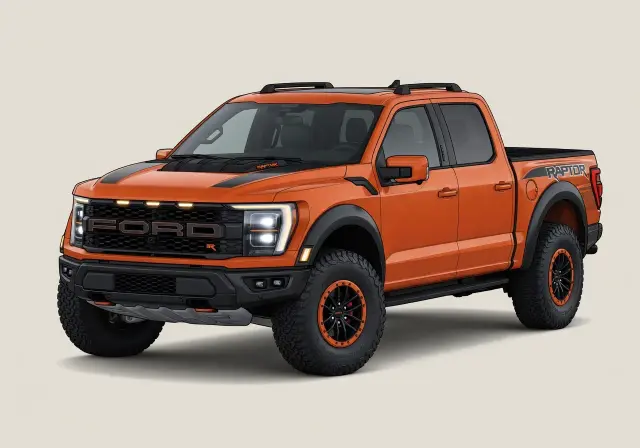
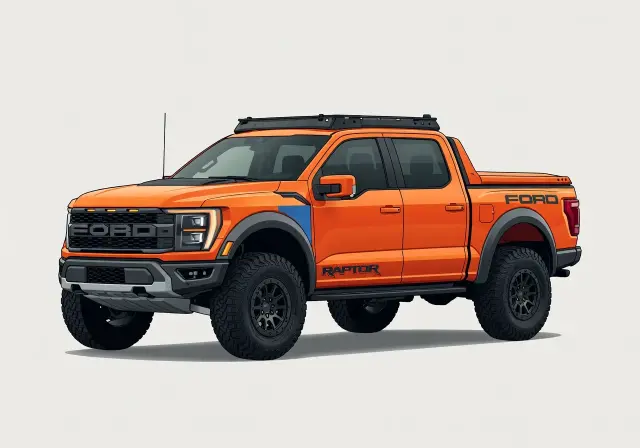
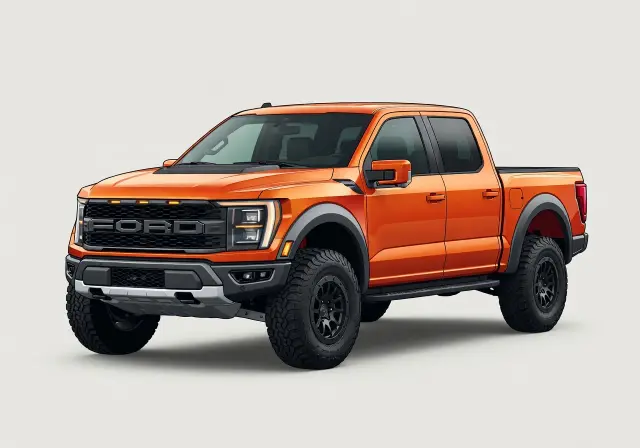
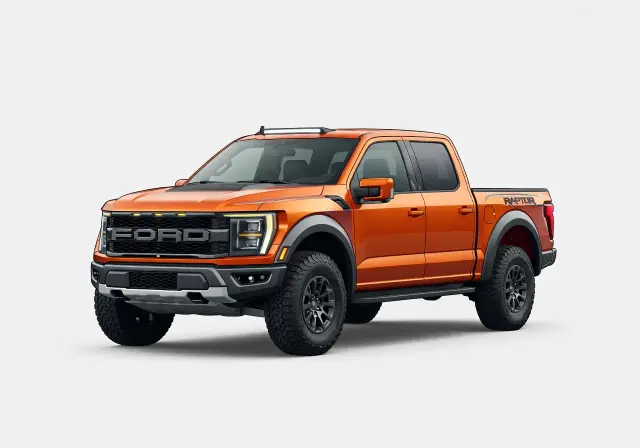
The fastest tested production Ford F-150 is the 2025 Ford F-150 Raptor R SuperCrew (5'7.1" Bed), which went from 0 to 60 mph in 3.60 seconds, reaching the ¼ mile in 12.10 seconds at 112.1 mph, according to Motor Trend.
The slowest tested production Ford F-150 is the 1997 Ford F-150 XLT SuperCab, which took 10.40 seconds to reach 60 mph, running the ¼ mile in 17.90 seconds at 78.0 mph, according to Car and Driver.
Across the 118 verified production tests of the Ford F-150, the average 0–60 mph time is 6.28 seconds. The average quarter-mile time is 14.73 seconds at 94.63 mph.
Separately, 7 modified or prototype runs are on record for the Ford F-150, led by the 2023 Ford F-150 XLT FP700 Regular Cab (5'7.1" Bed) at 4.10 seconds. These are not stock configurations and are excluded from the figures above.
Fastest 0–60 3.60sec 2025 Raptor R SuperCrew (5'7.1" Bed) · stock
Average 0–60 6.28sec Across 118 production runs
Fastest Modified 4.10sec 2023 XLT FP700 Regular Cab (5'7.1" Bed) · modified
Avg ¼ Mile 14.73sec @ 94.6 mph trap
Slowest 0–60 10.40sec 1997 XLT SuperCab
Across 118 verified production runs, the Ford F-150 ranges from 3.60 to 10.40 seconds 0–60, with a 6.28-second average. 7 modified or prototype runs are recorded separately and excluded from this range.
The Ford F-150 is ranked in these lists
- #4 Fastest Pickup Trucks #4 Fastest Quarter Mile Trucks #16 Fastest Supercharged Cars #27 Fastest Diesel Cars #31 Fastest Cars of 2023 #37 Fastest Cars of 2024 #37 Fastest Cars of 2022 #40 Fastest Cars of 2025 #47 Fastest Quarter Mile EVs #48 Fastest EVs #48 Fastest Hybrid Cars #52 Fastest Cars of 1990's #73 Fastest 8-Cylinder Cars #84 Fastest Cars of 2021
01 /
Ford F-150 Performance Overview
Ford’s F-150 performance record spans 125 independently verified tests across 1993 to 2025, tracing the pickup from early SVT Lightning street-truck tuning to today’s supercharged, hybrid, and electric variants. In the 1990s, the Ninth Generation established the template with the 1993 SVT Lightning at 7.2 seconds to 60 mph, followed by the 1994 J&M Performance SVT Lightning Regular Cab at 6.5. The Tenth Generation pushed harder with the supercharged SVT Lightning, reaching 5.8 seconds in 1999 and 5.2 in the 2001 SVT Lightning Regular Cab (6.6 ft. Bed), while slower work-oriented trims stretched the spread to 10.4 seconds in the 1997 XLT SuperCab.
Through the 2000s and 2010s, gasoline V8s broadened into modular V8, Triton, Coyote, and twin-turbo EcoBoost power. The 2004 SVT Lightning Regular Cab (6.6 ft. Bed) cut the benchmark to 5.1 seconds, then the 2014 Tremor FX4 3.5L EcoBoost Regular Cab ran 5.8 and the 2017 Raptor SuperCab (5.6 ft. Bed) reached 5.0.
The current Fourteenth Generation moved the F-150 into its widest powertrain mix yet, adding electric and hybrid models alongside supercharged gasoline V8s. A 2022 Lightning Lariat Extended Range ran 3.8 seconds to 60, before the Raptor R reset the peak at 3.6 seconds in 2023 and repeated that in the current-generation 2024 Raptor R; the 2024 truck also recorded a 12.0-second quarter-mile at 113 mph.
02 /
Ford F-150 0–60 Times by Generation: Ninth Generation to Fourteenth Generation (Refresh)
7 generations| Generation | Years | Avg 0–60 | Fastest 0–60 | Production Tests | Notes |
|---|---|---|---|---|---|
| Fourteenth Generation (Refresh) | 2024–present | 5.32s | 3.60s — 2024 Raptor R SuperCrew (5'7.1" Bed) | 5 | The Fourteenth Generation (Refresh) generation (2024–present) averaged 5.32 seconds to 60 mph across 5 production tests, led by the 2024 Raptor R SuperCrew (5'7.1" Bed) at 3.60 seconds. Output ranged from 400 to 720 hp across 3.5L Twin-Turbo V6 + Elec, 5.0L V8, 5.2L Supercharger V8 configurations. |
| Fourteenth Generation | 2021–2023 | 4.93s | 3.60s — 2023 Raptor R SuperCrew (5'7.1" Bed) | 29 | The Fourteenth Generation generation (2021–2023) averaged 4.93 seconds to 60 mph across 29 production tests, led by the 2023 Raptor R SuperCrew (5'7.1" Bed) at 3.60 seconds. Output ranged from 325 to 700 hp across 2.7L Twin-Turbo V6, 3.5L Twin-Turbo V6, 3.5L Twin-Turbo V6 + Elec 1.5-kWh, 5.0L Supercharger V8, 5.0L V8, 5.2L Supercharger V8, Elec, Elec 131-kWh configurations. A further 2 results from 2 modified vehicles are recorded but excluded from the average. |
| Thirteenth Generation | 2015–2020 | 6.15s | 5.00s — 2017 Raptor SuperCab (5.6 ft. Bed) | 35 | The Thirteenth Generation generation (2015–2020) averaged 6.15 seconds to 60 mph across 35 production tests, led by the 2017 Raptor SuperCab (5.6 ft. Bed) at 5.00 seconds. Output ranged from 250 to 500 hp across 2.7L Twin-Turbo V6, 3.0L Turbo Diesel V6, 3.3L V6, 3.5L Twin-Turbo V6, 5.0L V8 configurations. A further 1 result from 1 modified vehicle is recorded but excluded from the average. |
| Twelfth Generation | 2009–2014 | 6.82s | 5.80s — 2014 Tremor FX4 3.5L EcoBoost Regular Cab (6.6 ft. Bed) | 23 | The Twelfth Generation generation (2009–2014) averaged 6.82 seconds to 60 mph across 23 production tests, led by the 2014 Tremor FX4 3.5L EcoBoost Regular Cab (6.6 ft. Bed) at 5.80 seconds. Output ranged from 302 to 411 hp across 3.5L Twin-Turbo V6, 3.7L V6, 5.0L V8, 5.4L V8, 6.2L V8 configurations. |
| Eleventh Generation | 2004–2008 | 8.40s | 5.10s — 2004 SVT Lightning Regular Cab (6.6 ft. Bed) | 5 | The Eleventh Generation generation (2004–2008) averaged 8.40 seconds to 60 mph across 5 production tests, led by the 2004 SVT Lightning Regular Cab (6.6 ft. Bed) at 5.10 seconds. Output ranged from 300 to 450 hp across 5.4L Supercharger V8, 5.4L V8 configurations. A further 2 results from 2 modified vehicles are recorded but excluded from the average. |
| Tenth Generation | 1997–2003 | 7.73s | 5.20s — 2001 SVT Lightning Regular Cab (6.6 ft. Bed) | 18 | The Tenth Generation generation (1997–2003) averaged 7.73 seconds to 60 mph across 18 production tests, led by the 2001 SVT Lightning Regular Cab (6.6 ft. Bed) at 5.20 seconds. Output ranged from 202 to 380 hp across 4.2L V6, 4.6L V8, 5.4L Supercharger V8, 5.4L V8 configurations. A further 1 result from 1 modified vehicle is recorded but excluded from the average. |
| Ninth Generation | 1992–1996 | 7.20s | 7.20s — 1994 SVT Lightning Regular Cab | 2 | The Ninth Generation generation (1992–1996) averaged 7.20 seconds to 60 mph across 2 production tests, led by the 1994 SVT Lightning Regular Cab at 7.20 seconds. Output was 240 hp across 5.8L Supercharger V8, 5.8L V8 configurations. A further 1 result from 1 modified vehicle is recorded but excluded from the average. |
Fourteenth Generation (Refresh) 2024–present
Avg 0–60 5.32s
Fastest 3.60s
Tests 5
2024 Raptor R SuperCrew (5'7.1" Bed)
The Fourteenth Generation (Refresh) generation (2024–present) averaged 5.32 seconds to 60 mph across 5 production tests, led by the 2024 Raptor R SuperCrew (5'7.1" Bed) at 3.60 seconds. Output ranged from 400 to 720 hp across 3.5L Twin-Turbo V6 + Elec, 5.0L V8, 5.2L Supercharger V8 configurations.
Fourteenth Generation 2021–2023
Avg 0–60 4.93s
Fastest 3.60s
Tests 29
2023 Raptor R SuperCrew (5'7.1" Bed)
The Fourteenth Generation generation (2021–2023) averaged 4.93 seconds to 60 mph across 29 production tests, led by the 2023 Raptor R SuperCrew (5'7.1" Bed) at 3.60 seconds. Output ranged from 325 to 700 hp across 2.7L Twin-Turbo V6, 3.5L Twin-Turbo V6, 3.5L Twin-Turbo V6 + Elec 1.5-kWh, 5.0L Supercharger V8, 5.0L V8, 5.2L Supercharger V8, Elec, Elec 131-kWh configurations. A further 2 results from 2 modified vehicles are recorded but excluded from the average.
Thirteenth Generation 2015–2020
Avg 0–60 6.15s
Fastest 5.00s
Tests 35
2017 Raptor SuperCab (5.6 ft. Bed)
The Thirteenth Generation generation (2015–2020) averaged 6.15 seconds to 60 mph across 35 production tests, led by the 2017 Raptor SuperCab (5.6 ft. Bed) at 5.00 seconds. Output ranged from 250 to 500 hp across 2.7L Twin-Turbo V6, 3.0L Turbo Diesel V6, 3.3L V6, 3.5L Twin-Turbo V6, 5.0L V8 configurations. A further 1 result from 1 modified vehicle is recorded but excluded from the average.
Twelfth Generation 2009–2014
Avg 0–60 6.82s
Fastest 5.80s
Tests 23
2014 Tremor FX4 3.5L EcoBoost Regular Cab (6.6 ft. Bed)
The Twelfth Generation generation (2009–2014) averaged 6.82 seconds to 60 mph across 23 production tests, led by the 2014 Tremor FX4 3.5L EcoBoost Regular Cab (6.6 ft. Bed) at 5.80 seconds. Output ranged from 302 to 411 hp across 3.5L Twin-Turbo V6, 3.7L V6, 5.0L V8, 5.4L V8, 6.2L V8 configurations.
Eleventh Generation 2004–2008
Avg 0–60 8.40s
Fastest 5.10s
Tests 5
2004 SVT Lightning Regular Cab (6.6 ft. Bed)
The Eleventh Generation generation (2004–2008) averaged 8.40 seconds to 60 mph across 5 production tests, led by the 2004 SVT Lightning Regular Cab (6.6 ft. Bed) at 5.10 seconds. Output ranged from 300 to 450 hp across 5.4L Supercharger V8, 5.4L V8 configurations. A further 2 results from 2 modified vehicles are recorded but excluded from the average.
Tenth Generation 1997–2003
Avg 0–60 7.73s
Fastest 5.20s
Tests 18
2001 SVT Lightning Regular Cab (6.6 ft. Bed)
The Tenth Generation generation (1997–2003) averaged 7.73 seconds to 60 mph across 18 production tests, led by the 2001 SVT Lightning Regular Cab (6.6 ft. Bed) at 5.20 seconds. Output ranged from 202 to 380 hp across 4.2L V6, 4.6L V8, 5.4L Supercharger V8, 5.4L V8 configurations. A further 1 result from 1 modified vehicle is recorded but excluded from the average.
Ninth Generation 1992–1996
Avg 0–60 7.20s
Fastest 7.20s
Tests 2
1994 SVT Lightning Regular Cab
The Ninth Generation generation (1992–1996) averaged 7.20 seconds to 60 mph across 2 production tests, led by the 1994 SVT Lightning Regular Cab at 7.20 seconds. Output was 240 hp across 5.8L Supercharger V8, 5.8L V8 configurations. A further 1 result from 1 modified vehicle is recorded but excluded from the average.
03 /
Ford F-150 0–60 Times by Year and Trim
118 production tests + 7 modified · 28 years ▾
2025 Ford F-150
2 production runs Avg 0–60 4.30 sec
Avg ¼ Mile 12.80 sec
Production Tests 2
#01
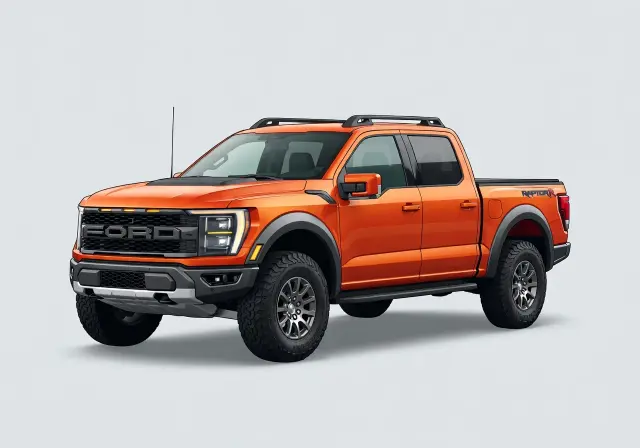
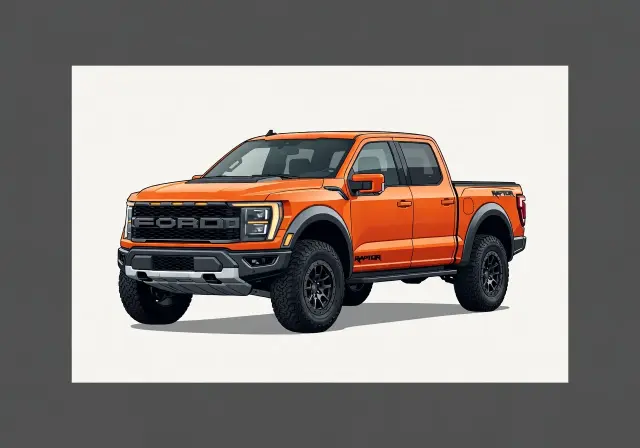
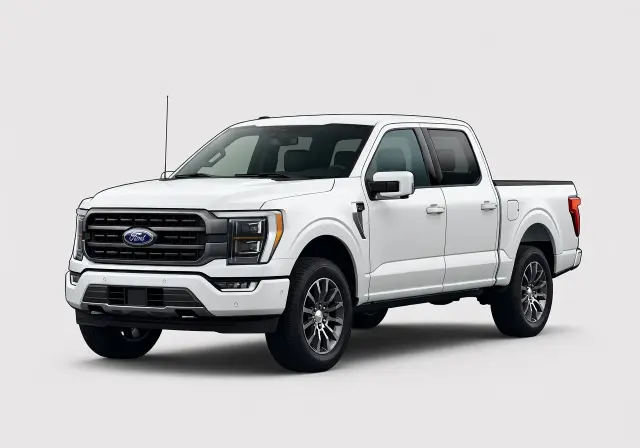
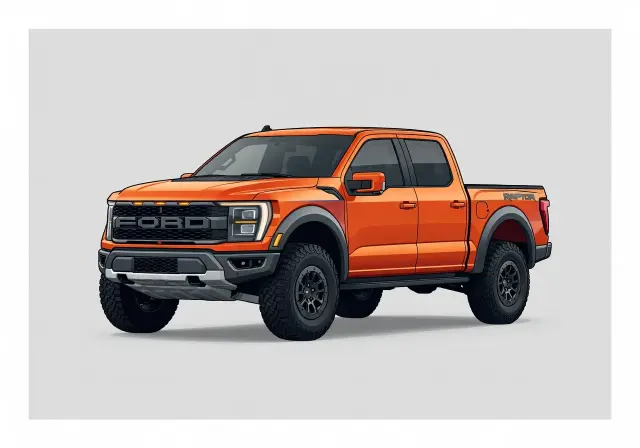
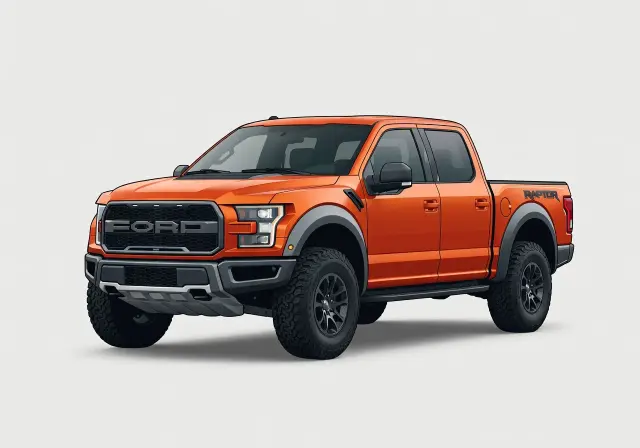
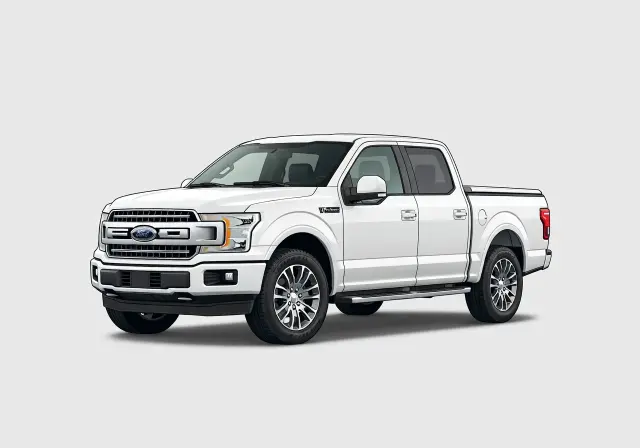
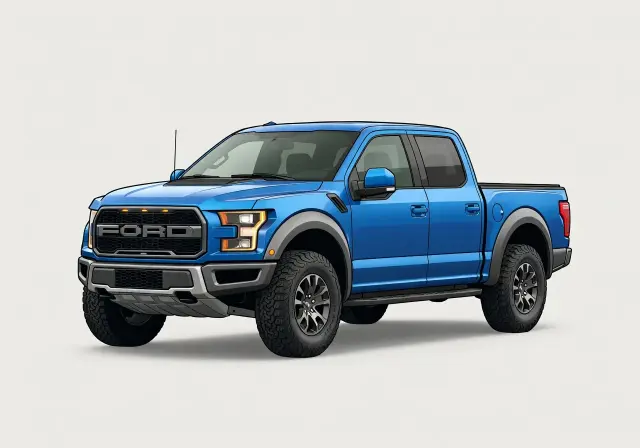
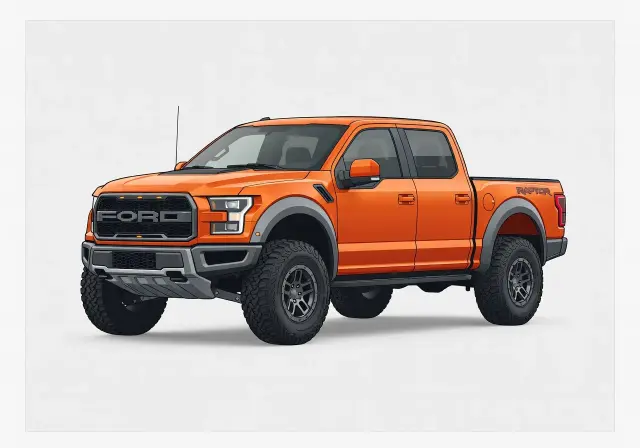
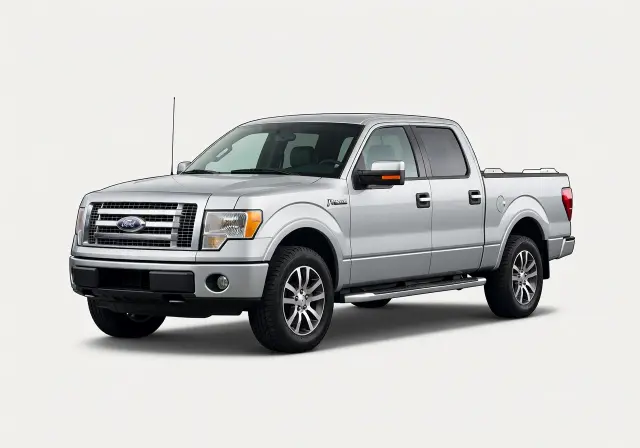
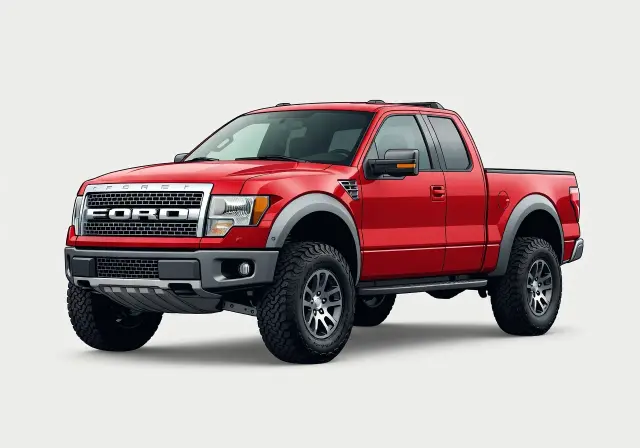
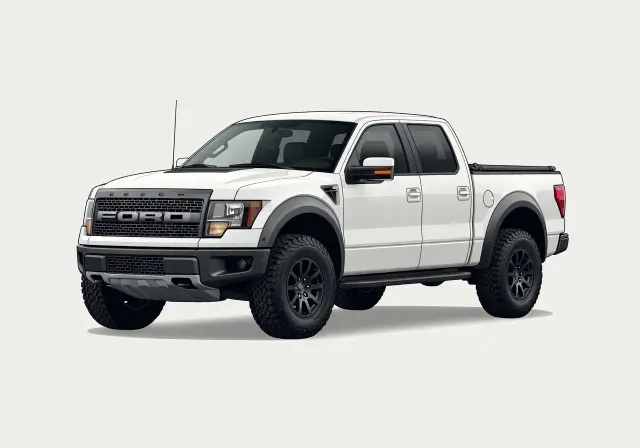
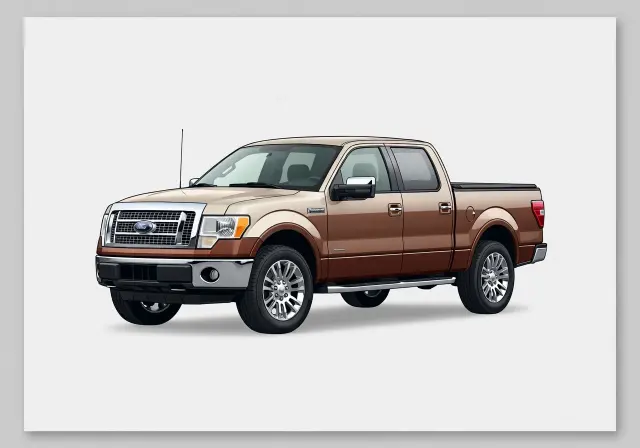
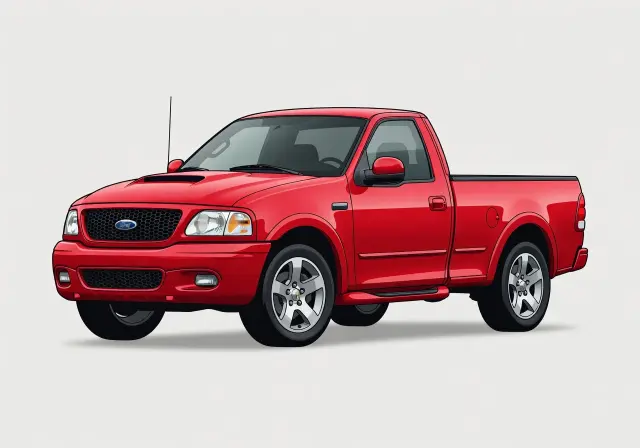
2025 Ford F-150 Raptor R SuperCrew (5'7.1" Bed)
3.60sec 0–60
12.10s ¼ mi @ 112.1 mph
▾
- 0–60 mph
- 3.60 sec
- ¼ Mile ET
- 12.10 sec
- Trap Speed
- 112.1 mph
- Engine
- 5.2L Supercharger V8
- Drivetrain
- 4WD
- Transmission
- 10A
- Horsepower
- 720 hp
- Torque
- 640 lb-ft
- Curb Weight
- 5,950 lbs
- Power-to-Weight
- 8.3 lbs/hp
- MPG EPA
- 10 C / 15 H
- Production Vehicle
- Body Type
- Pickup
- Powertrain
- Gasoline
- Test Source
- Motor Trend
- Overall Rank
- #1 of 118 production runs
#15
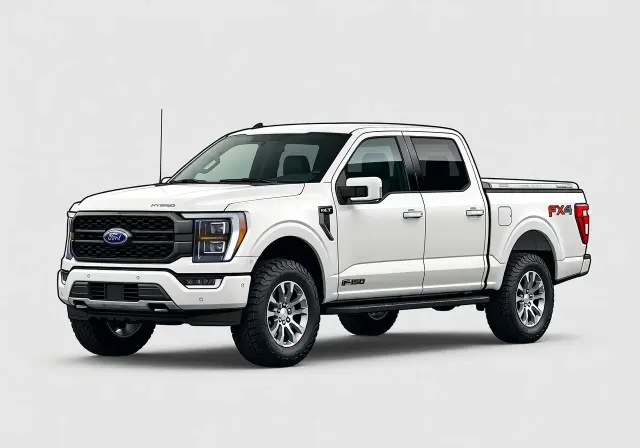
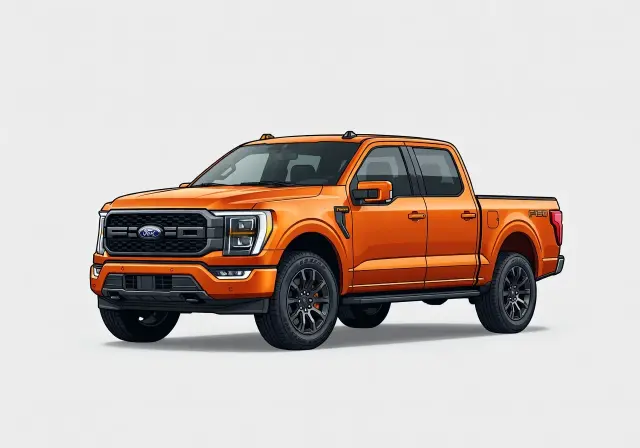
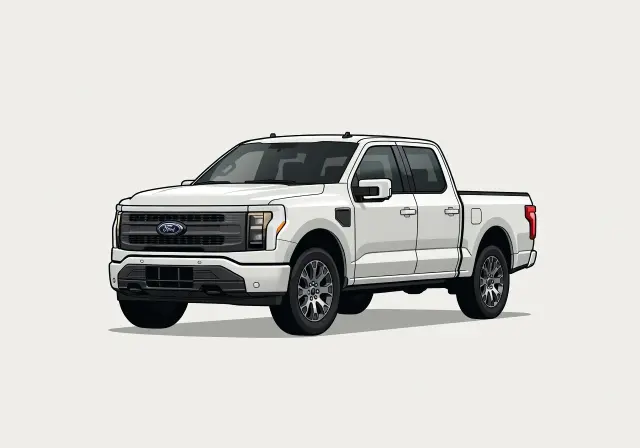
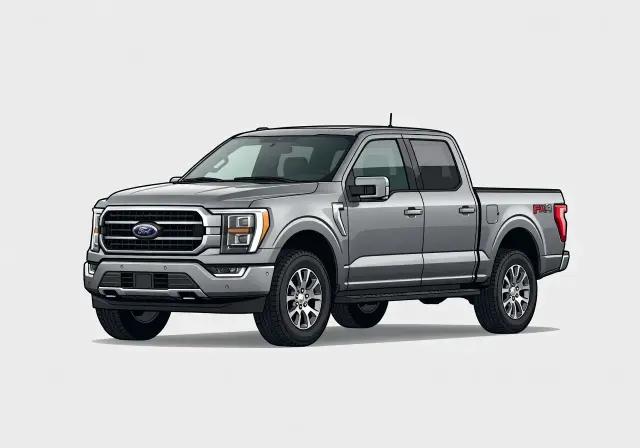
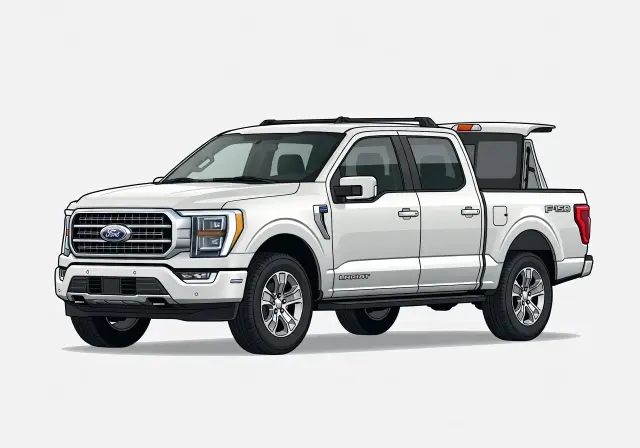
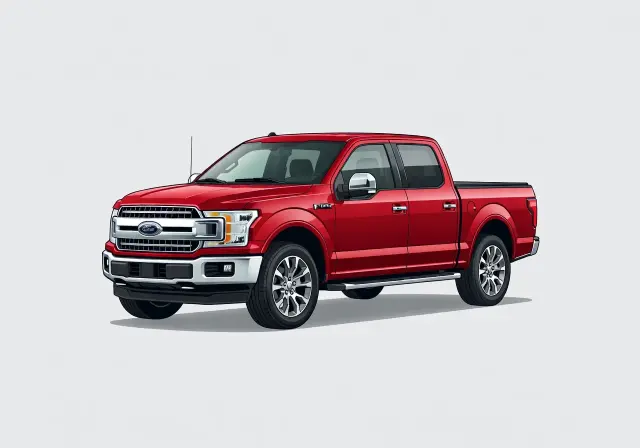
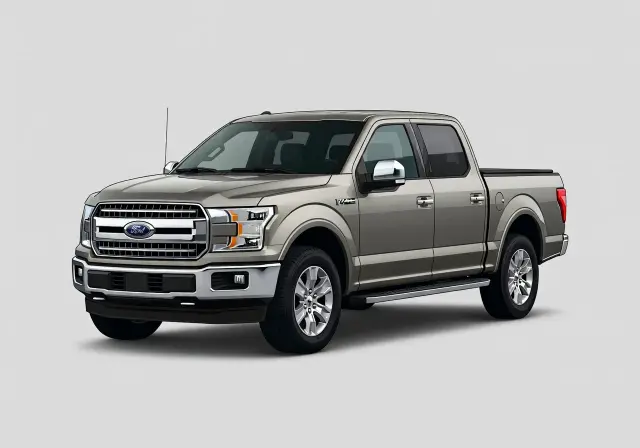
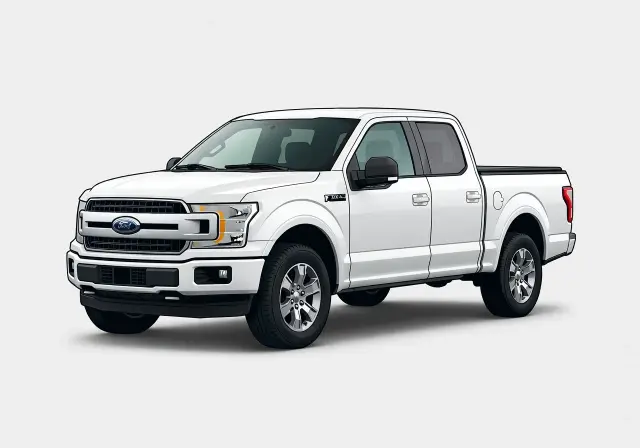
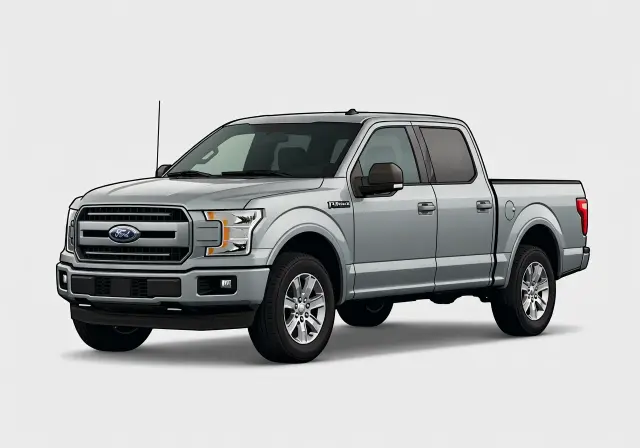
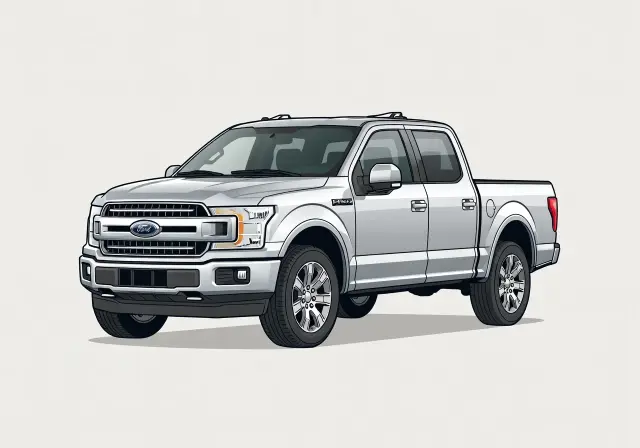
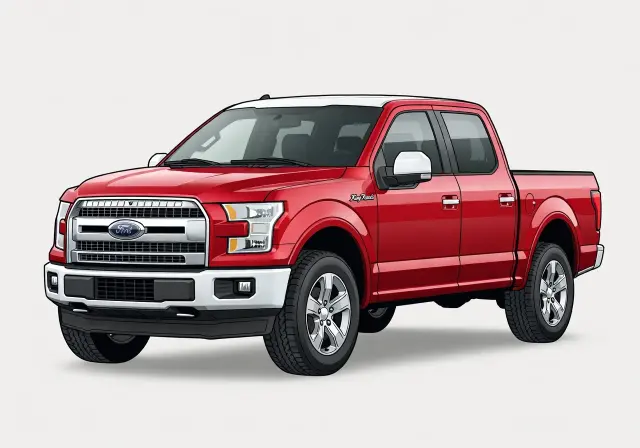
2025 Ford F-150 XLT PowerBoost Hybrid SuperCrew (FX4)(5'7.1" Bed)
5.00sec 0–60
13.50s ¼ mi @ 102.0 mph
▾
- 0–60 mph
- 5.00 sec
- ¼ Mile ET
- 13.50 sec
- Trap Speed
- 102.0 mph
- Engine
- 3.5L Twin-Turbo V6 + Elec
- Drivetrain
- 4WD
- Transmission
- 10A
- Horsepower
- 430 hp
- Torque
- 570 lb-ft
- Curb Weight
- 5,620 lbs
- Power-to-Weight
- 13.1 lbs/hp
- MPG EPA
- 22 C / 24 H / 16 Obs
- Production Vehicle
- Body Type
- Pickup
- Powertrain
- Hybrid
- Test Source
- Car and Driver
- Overall Rank
- #15 of 118 production runs
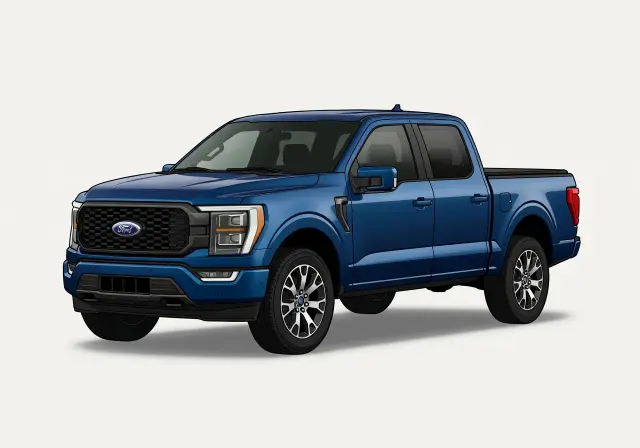
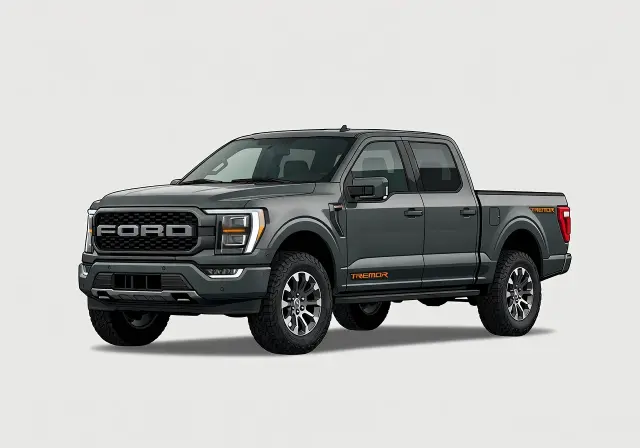
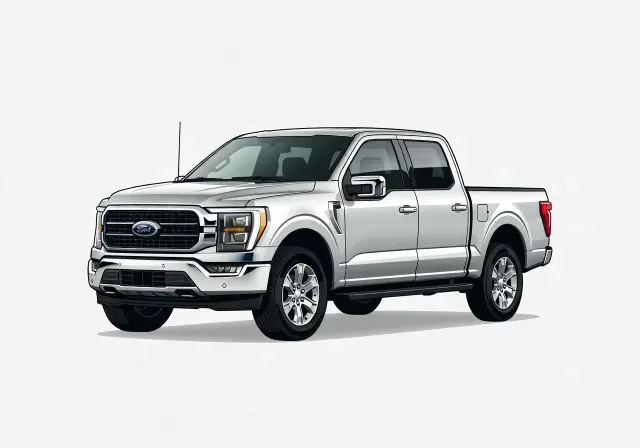
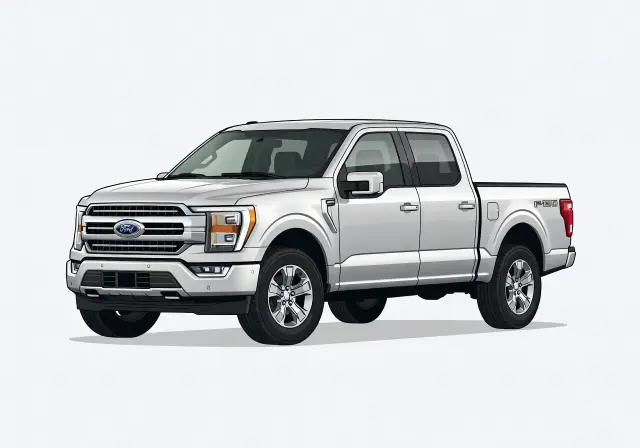
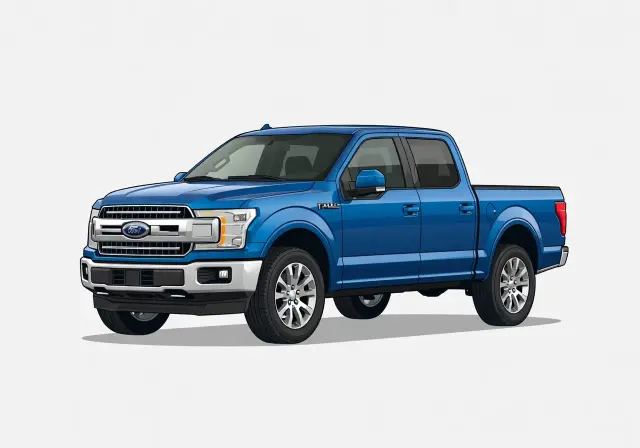
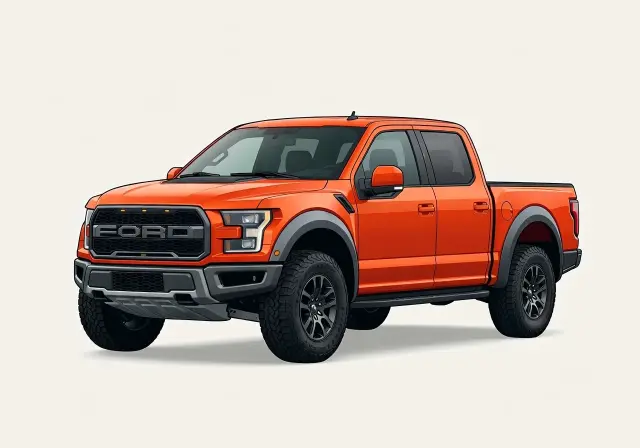
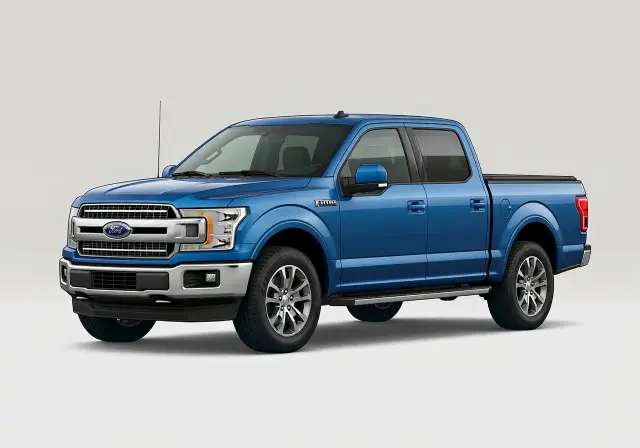
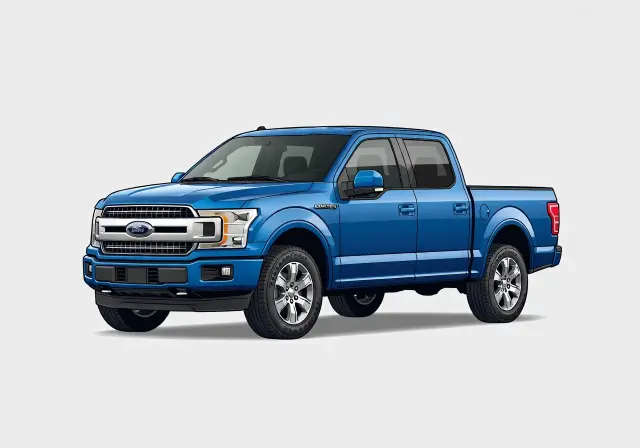
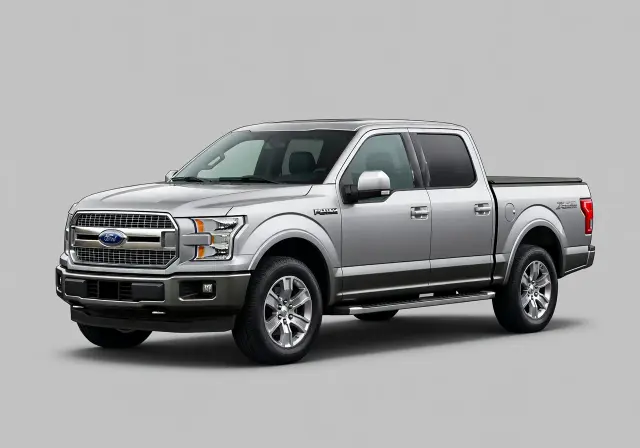
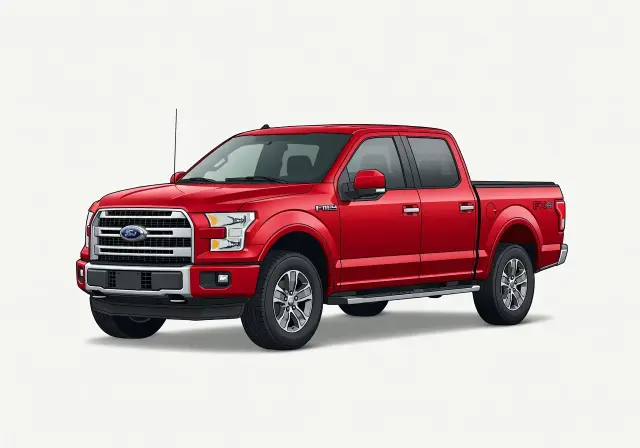
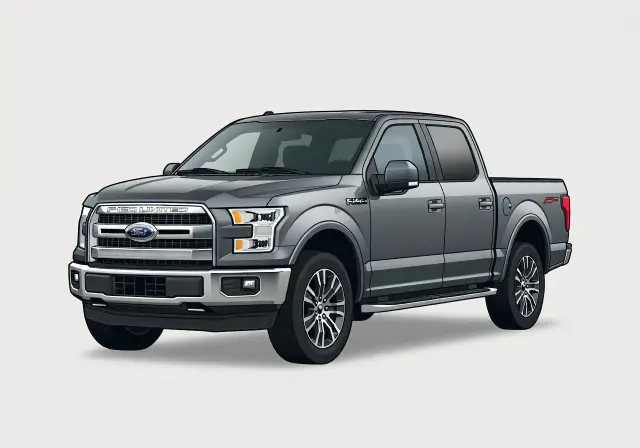
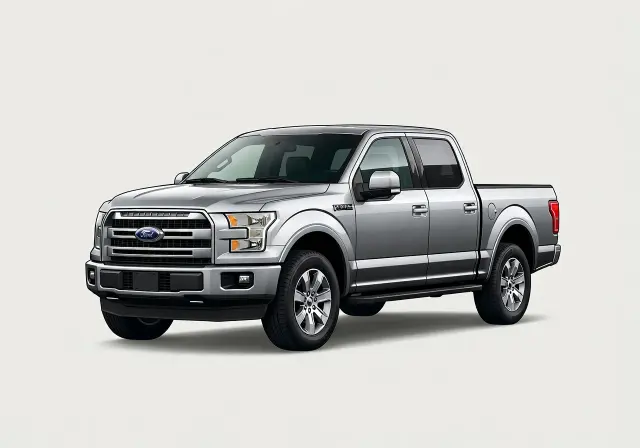
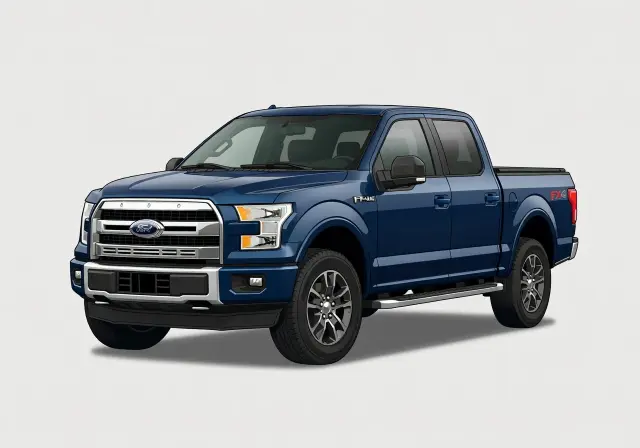
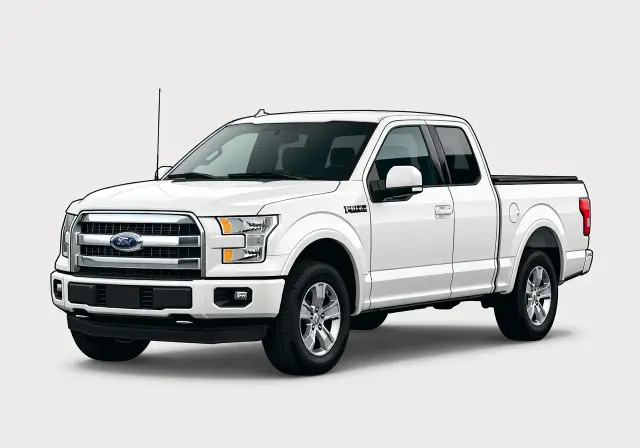
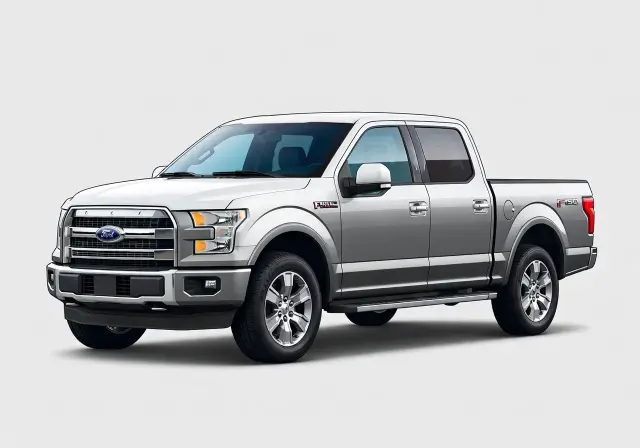
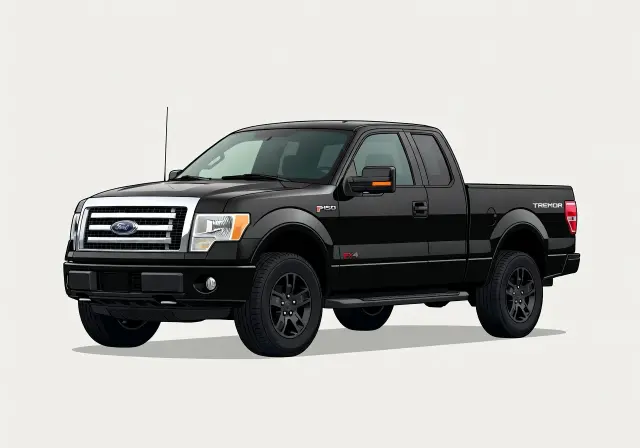
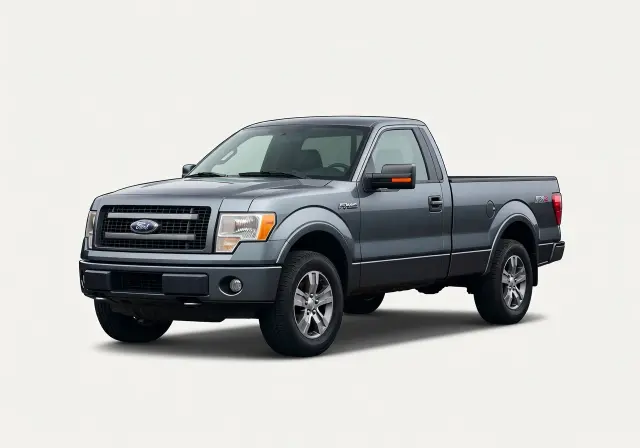
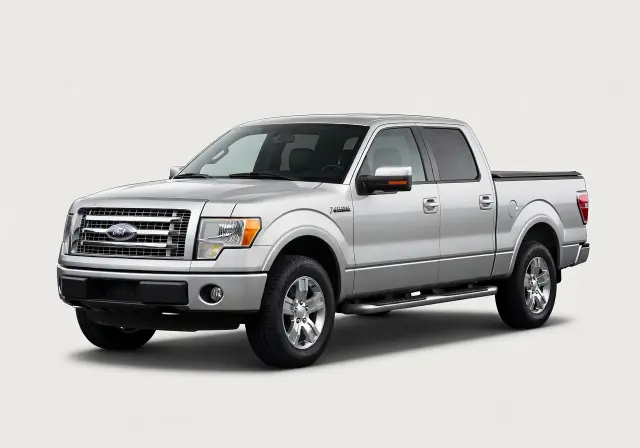
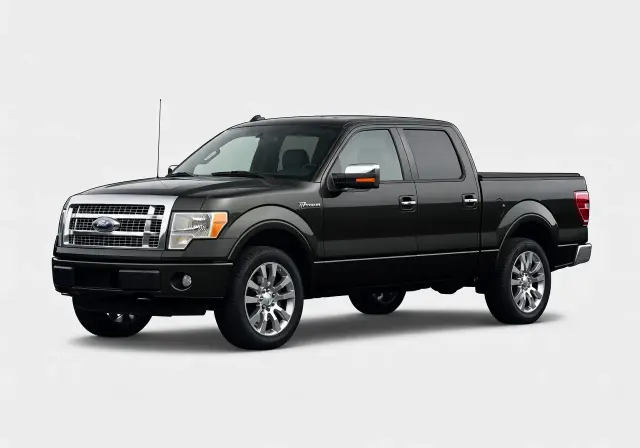
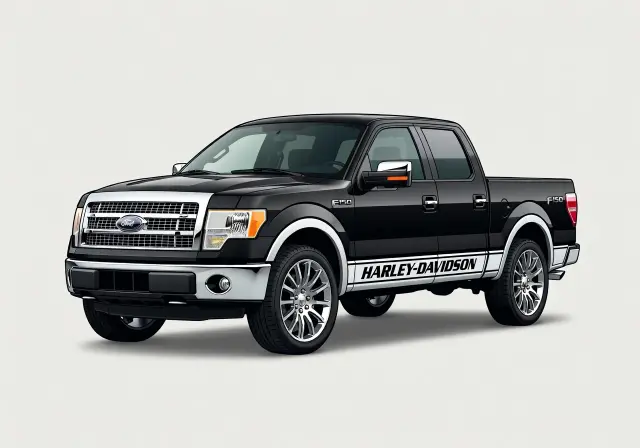
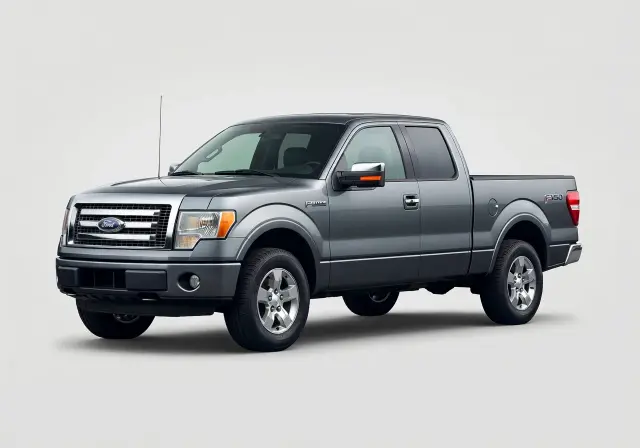
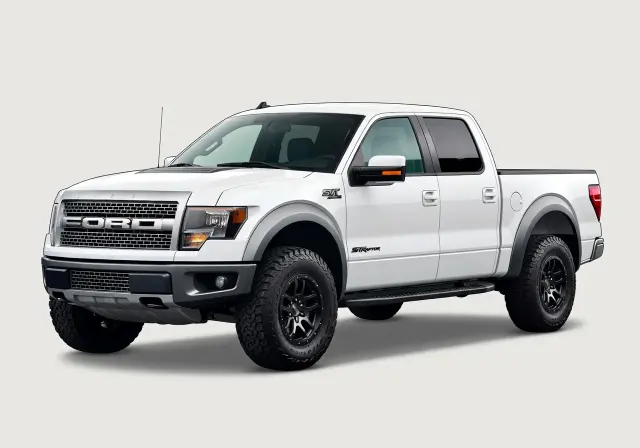
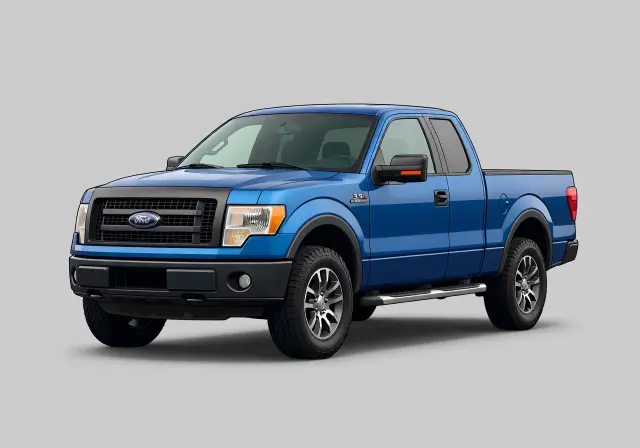
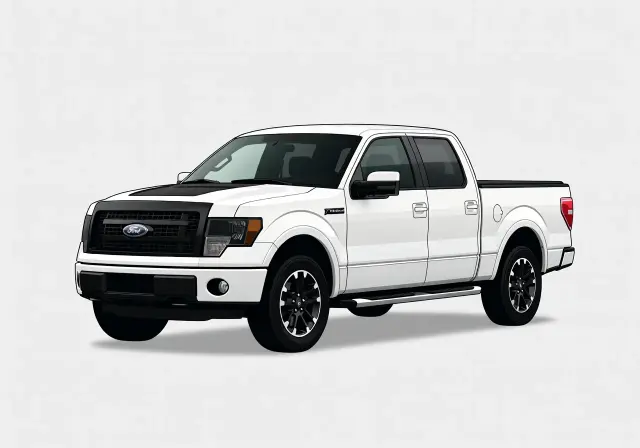
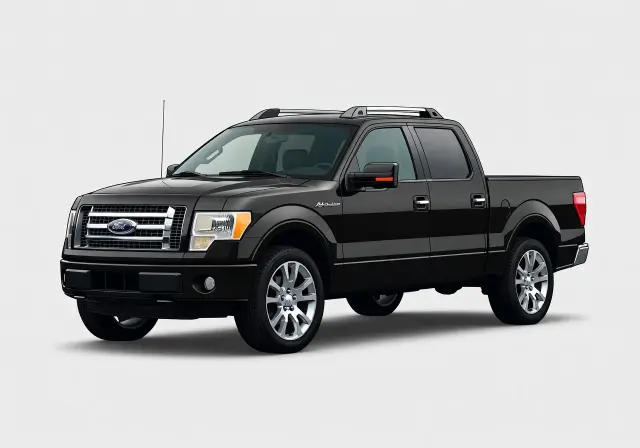
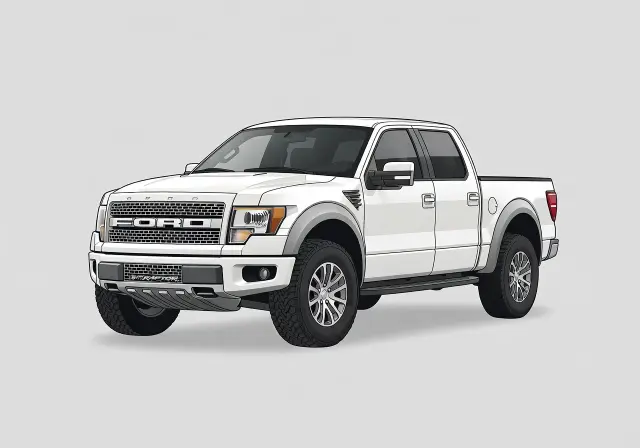
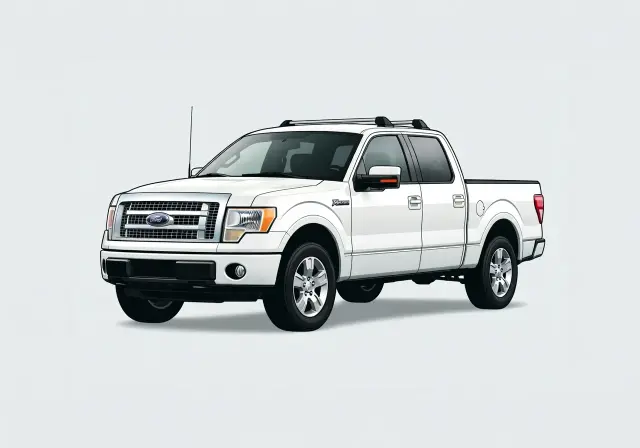
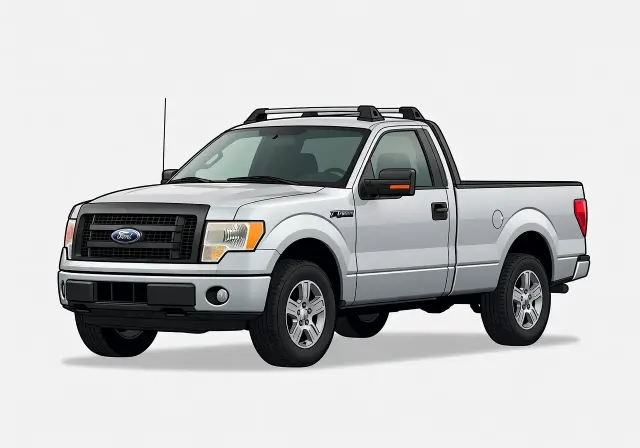
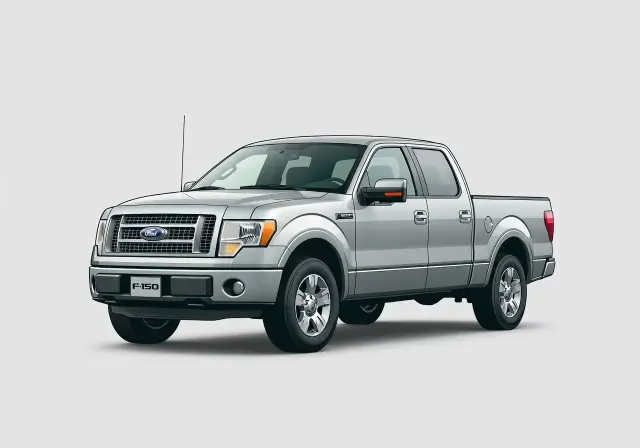
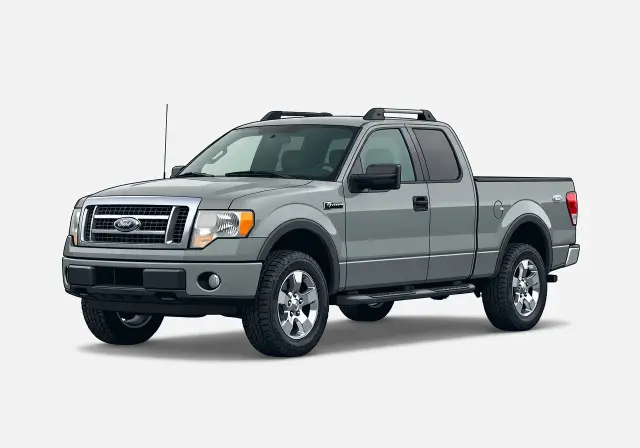
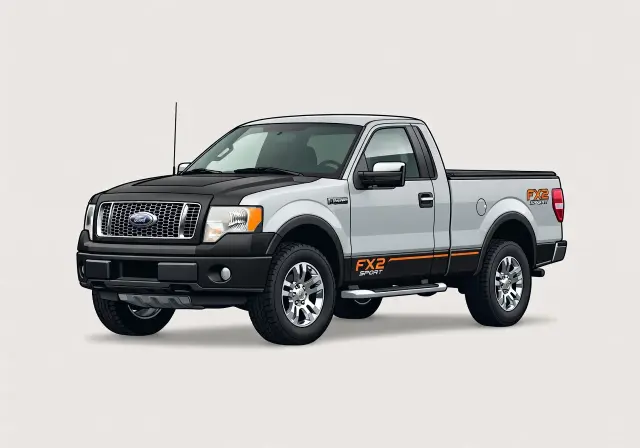
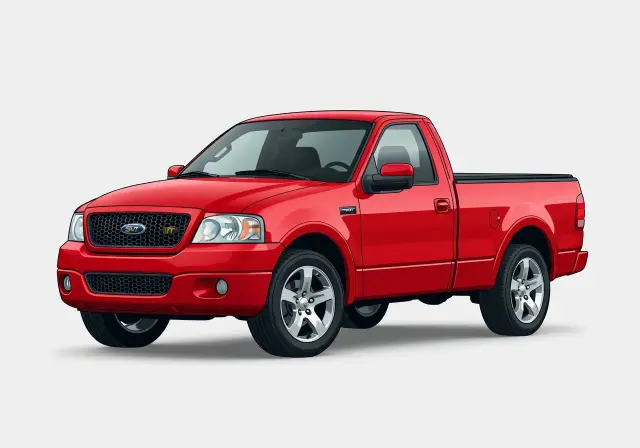
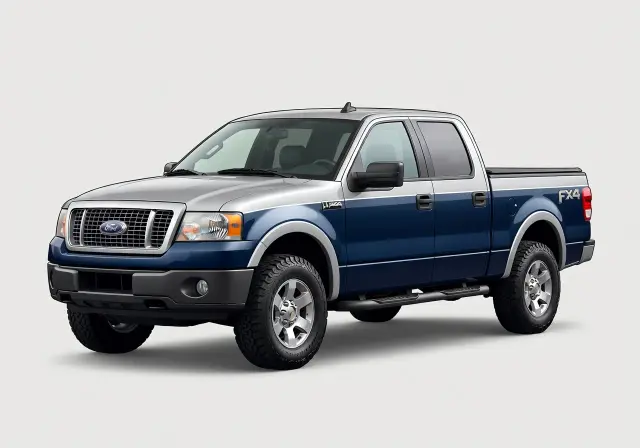
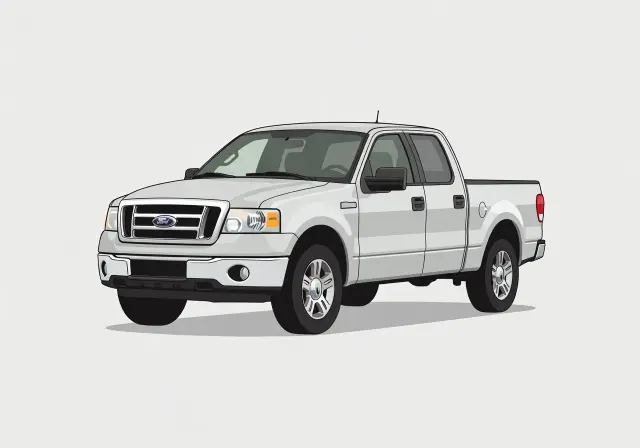
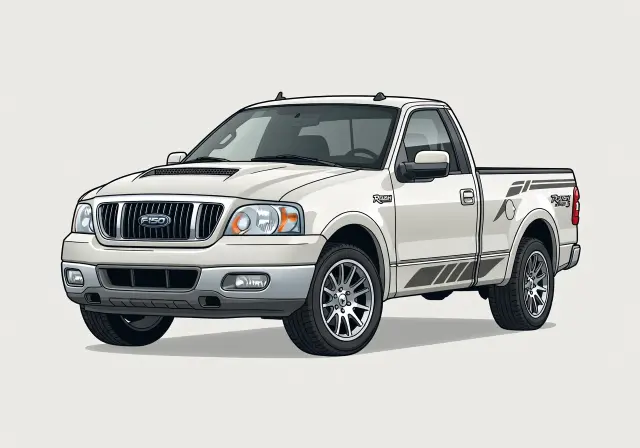
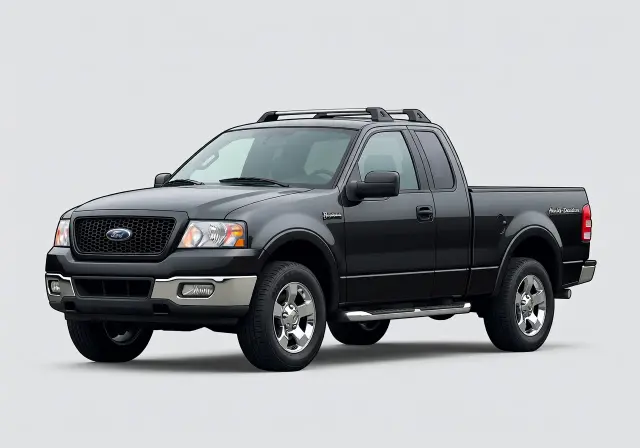
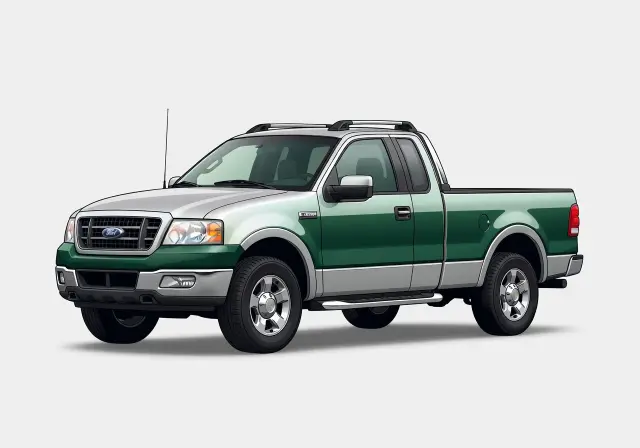
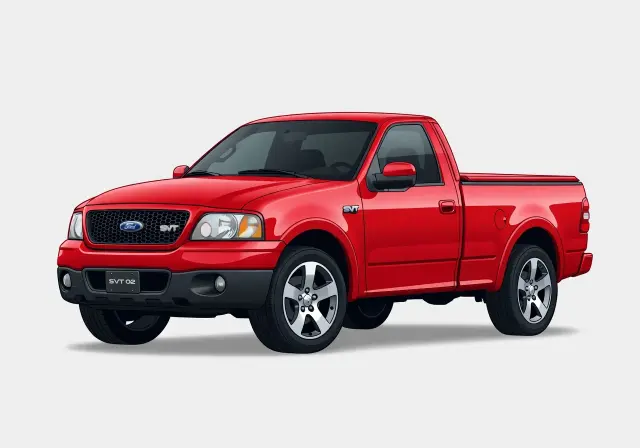
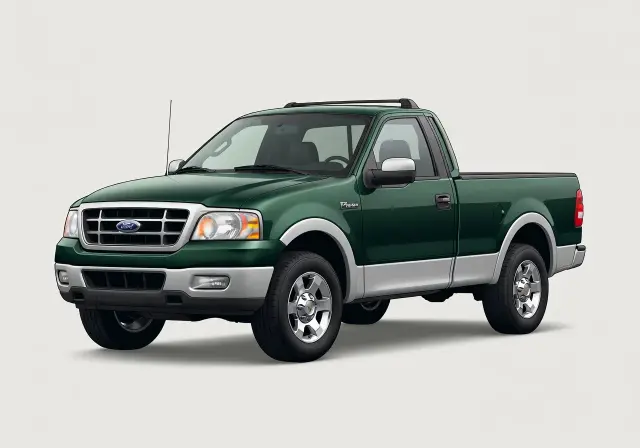
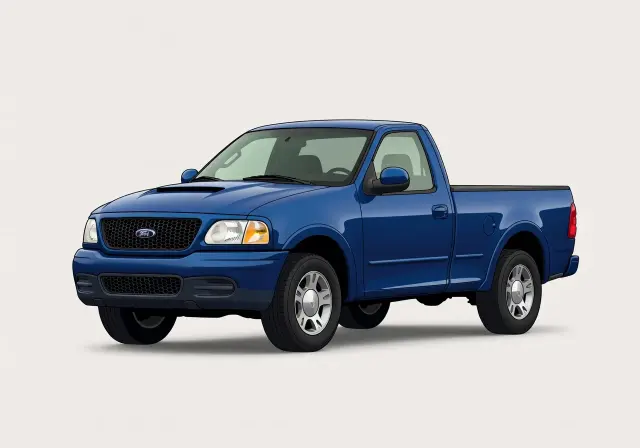
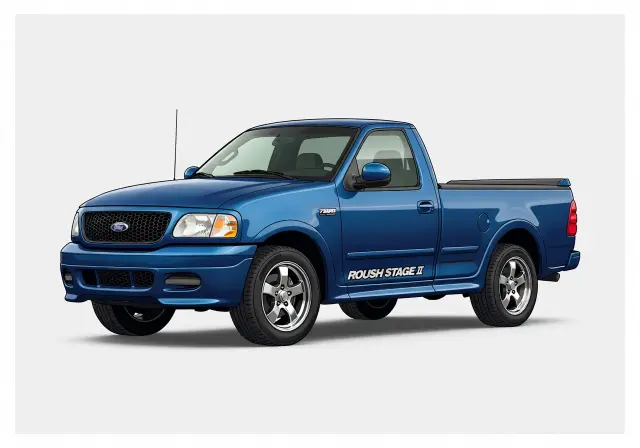
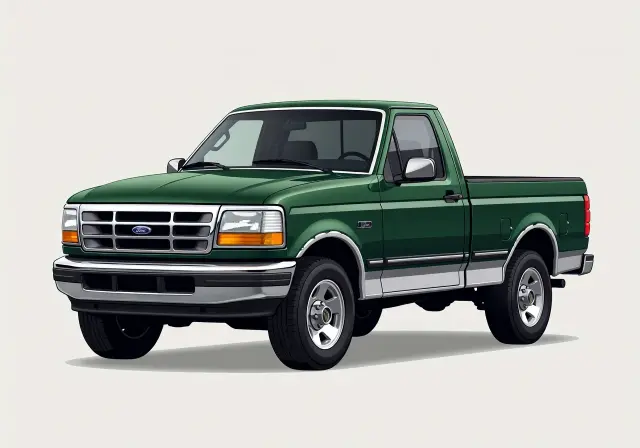
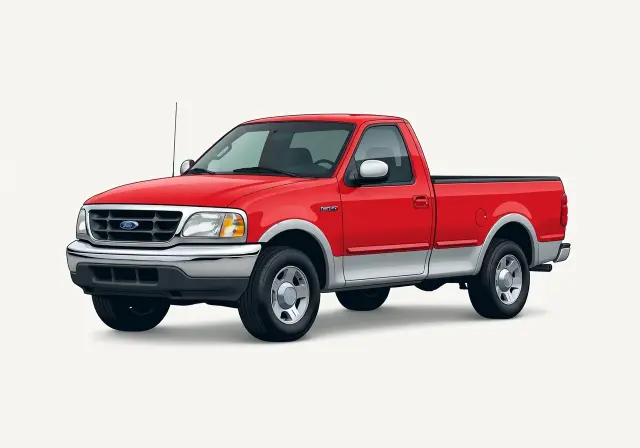
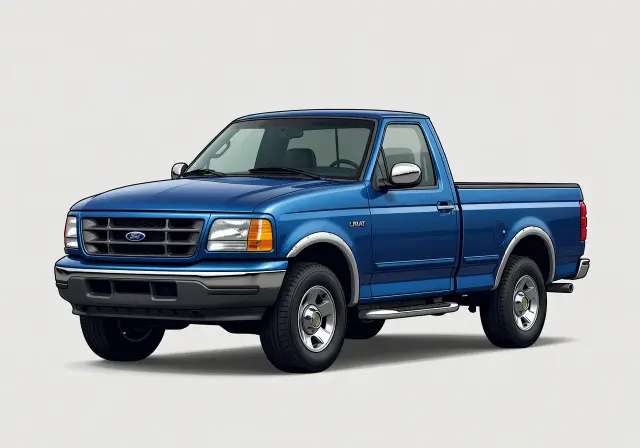
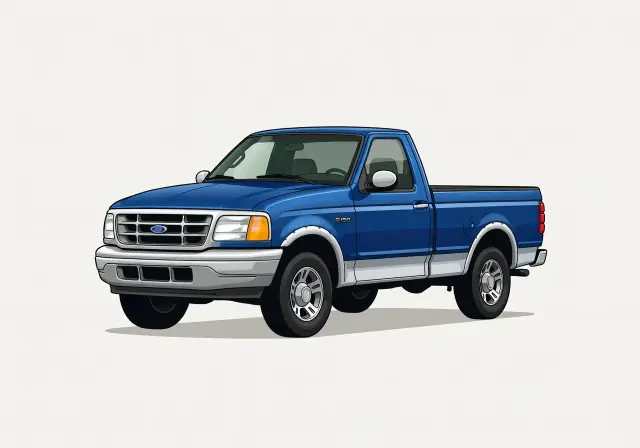
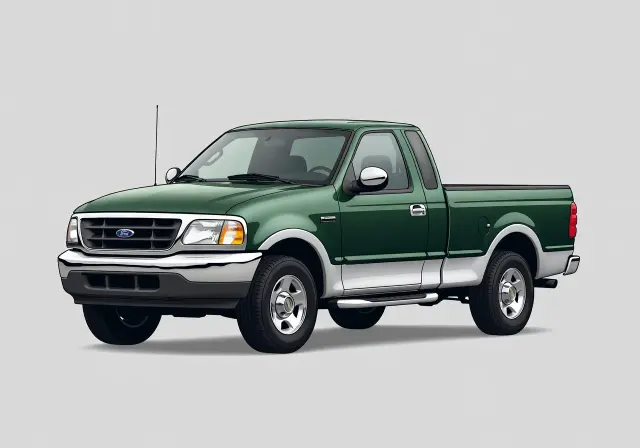
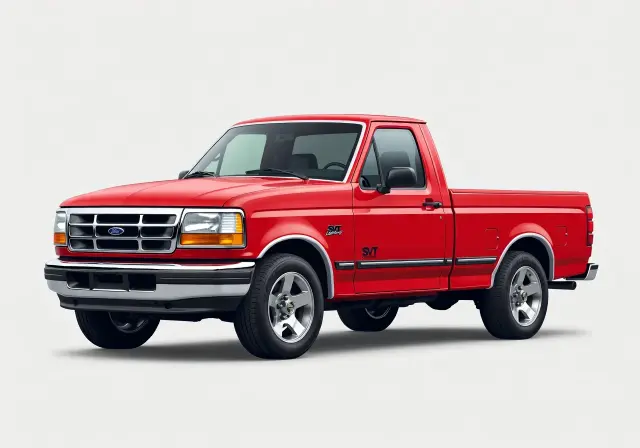
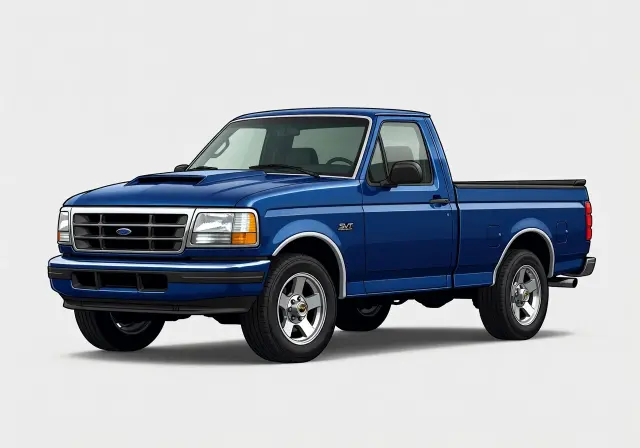
How we verify Ford F-150 performance data
Records and averages on this page cover verified production runs only; modified and prototype results are listed by year but never folded into them. We include only independently published road-test results from automotive publications. Manufacturer-claimed 0–60 times are excluded unless clearly labeled. When multiple publications test the same Ford F-150 trim, each run is listed separately — weather, tires, surface, rollout, and instrumentation all affect results.
04 /
Ford F-150 0–60 and quarter-mile distribution
0–60 vs ¼ mile · lower-left is fasterEach dot is a verified production test run
0–60 → ¼ mile →
Fastest Recorded run Slowest
05 /
Ford F-150 performance FAQs
10 questions The 2025 Ford F-150 Raptor R SuperCrew with the 5'7.1" bed reaches 60 mph in 3.6 seconds. Its quarter-mile time is 12.1 seconds at 112.1 mph. That makes it the quickest 2025 F-150 test on record and also the fastest stock F-150 0-60 result recorded overall.
The 2025 F-150 XLT PowerBoost Hybrid SuperCrew FX4 with the 5'7.1" bed runs 0-60 mph in 5.0 seconds. It also covers the quarter mile in 13.5 seconds at 102 mph. That test vehicle was a 4WD hybrid rated at 430 horsepower and 570 lb-ft, with a recorded curb weight of 5,620 pounds.
The fastest Ford F-150 0-60 result on record is 3.6 seconds, achieved by the 2025 Raptor R SuperCrew with the 5'7.1" bed. Across all 125 verified F-150 tests, that stands as the quickest launch figure. The overall average across those tests is 6.26 seconds to 60 mph.
The fastest stock Ford F-150 on record is also the 2025 Raptor R SuperCrew with the 5'7.1" bed at 3.6 seconds from 0-60 mph. Since all 125 recorded F-150 tests are production vehicles, there is no separate modified result that beats it in the current records.
The Fourteenth Generation Refresh F-150, covering 2024 and newer trucks, averages 5.32 seconds from 0-60 mph across 5 tests. The quickest example is the 2024 Raptor R SuperCrew with the 5'7.1" bed at 3.6 seconds. This generation refresh also includes a 12.0-second quarter-mile run at 113 mph from that same trim.
The Fourteenth Generation F-150, covering 2021 to 2023, averages 4.88 seconds from 0-60 mph across 31 tests. The fastest version is the 2023 Raptor R SuperCrew with the 5'7.1" bed at 3.6 seconds. This generation is notably quicker on average than earlier F-150 generations in the recorded tests.
The Thirteenth Generation F-150, sold from 2015 to 2020, averages 6.15 seconds from 0-60 mph across 36 tests. The quickest version on record is the 2017 Raptor SuperCab with the 5.6-foot bed at 5.0 seconds. Powertrains in this generation include gasoline and diesel configurations.
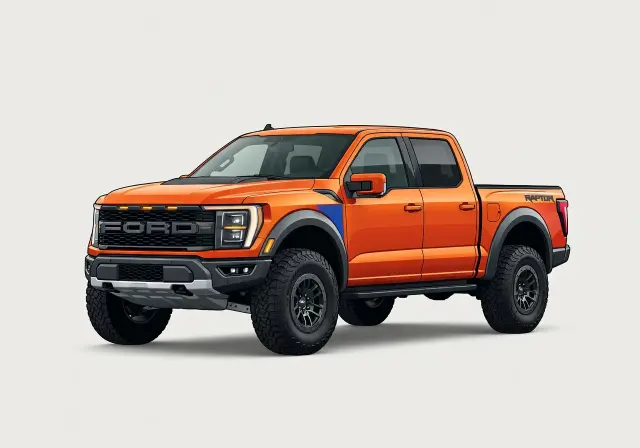
The Raptor R is clearly quicker. Across recorded tests, the Raptor R SuperCrew with the 5'7.1" bed averages 3.68 seconds to 60 mph, with a best of 3.6 seconds. The regular Raptor SuperCrew with the same bed averages 5.44 seconds, with a best of 5.1 seconds. That is a substantial gap in straight-line acceleration.
The Raptor R is quicker in the recorded runs. The Raptor R SuperCrew with the 5'7.1" bed averages 3.68 seconds to 60 mph, with a best of 3.6 seconds. The Lightning Platinum SuperCrew with the 5'7.1" bed averages 4.03 seconds, with a best of 4.0 seconds. Both are among the quickest F-150 variants tested.
The fastest quarter-mile Ford F-150 on record is the 2024 Raptor R SuperCrew with the 5'7.1" bed, which ran 12.0 seconds at 113 mph. Across all 125 F-150 tests, the average quarter-mile result is 14.7 seconds at 94.8 mph. That puts the quickest Raptor R well ahead of the model-wide norm.
Sources
Car and Driver
Four Wheeler MT
Motor Trend
MotorWeek
0–60 and quarter-mile times vary with driver, weather, tire temperature, and wear. We collect every verified run we can find — so you see the range of what a Ford F-150 can do, not a single marketing claim.
06 /
Other Ford 0–60 times
07 /
Popular Ford F-150 Comparisons
08 /
Comparable vehicles


09 /
Are we missing a performance test for Ford F-150?
Log in to suggest a missing test.