
Rankings are based on independently published quarter-mile tests currently included in the 0–60 Specs database. Vehicles without a qualifying published test in our database are not included.
Fastest Quarter-Mile Cars of All Time
Median Quarter Mile 14.20sec Average 14.30s
Qualifying Vehicles 1,134 1949–2027 model years
Average Trap Speed 100.5mph Highest 161.0 mph · Bugatti Chiron
01 /
Top 10 Fastest by Quarter Mile
- 1
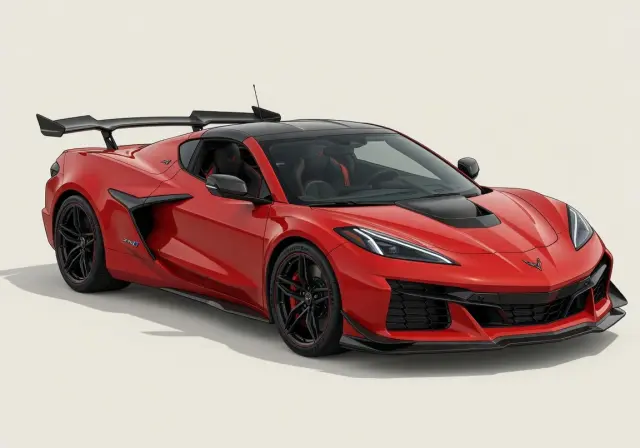 Chevrolet Corvette 8.90s155.0 mph
 - 2
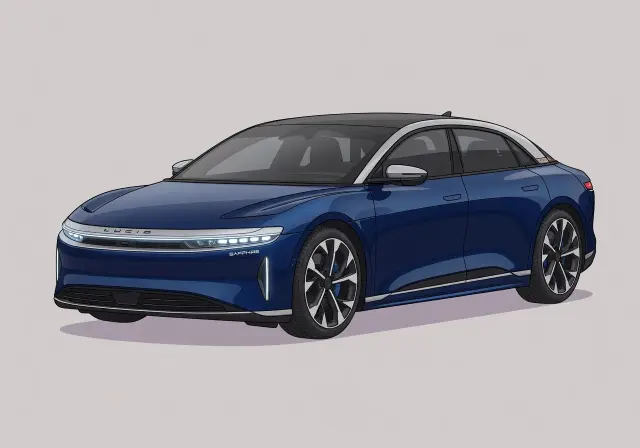 Lucid Air 9.00s154.8 mph
 - 3
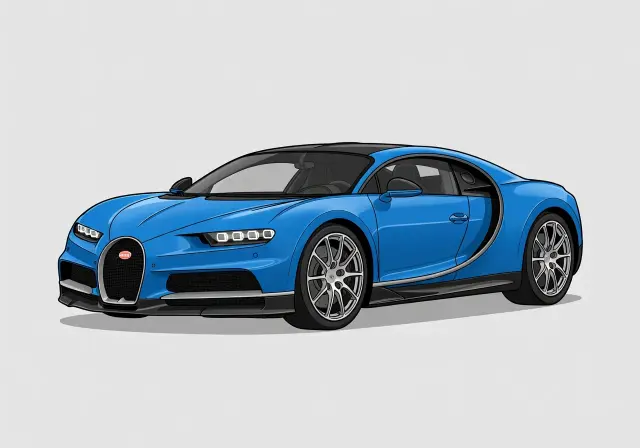 Bugatti Chiron 9.10s161.0 mph
 - 4
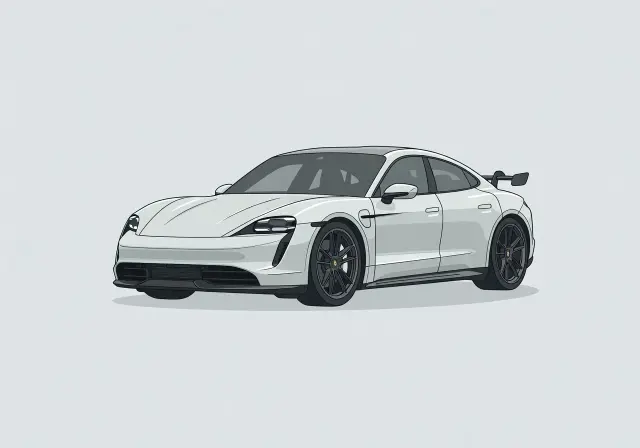 Porsche Taycan 9.20s150.1 mph
 - 5
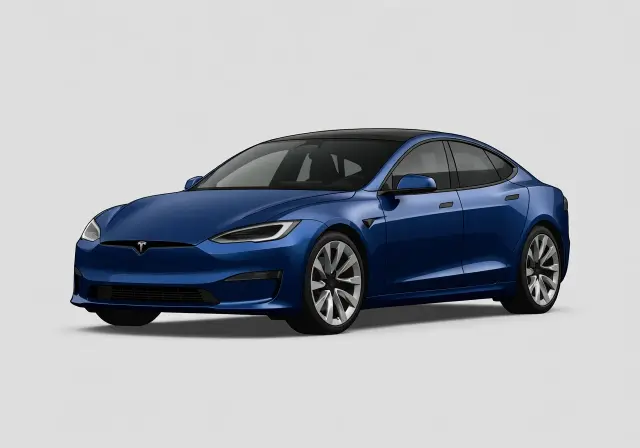 Tesla Model S 9.25s152.6 mph
 - 6
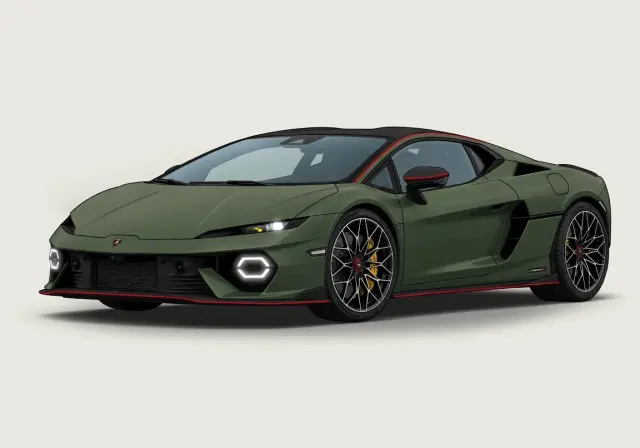 Lamborghini Temerario 9.40s150.0 mph
 - 7
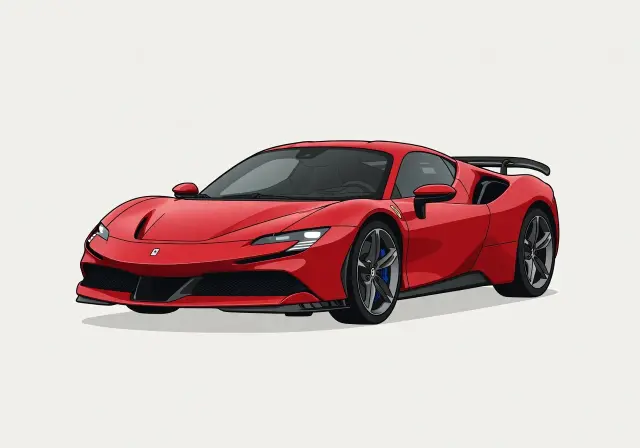 Ferrari SF90 Stradale 9.50s148.0 mph
 - 8
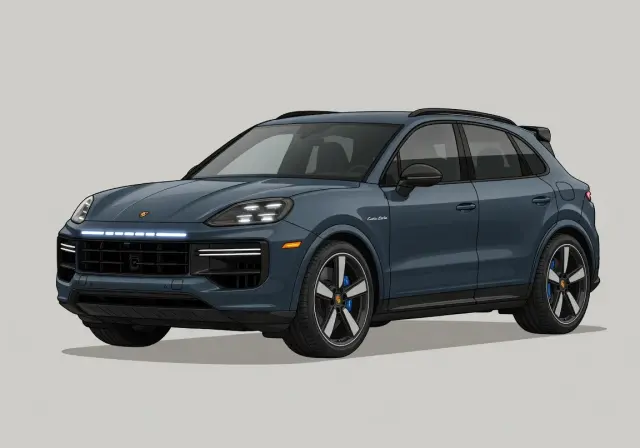 Porsche Cayenne 9.50s146.0 mph
 - 9
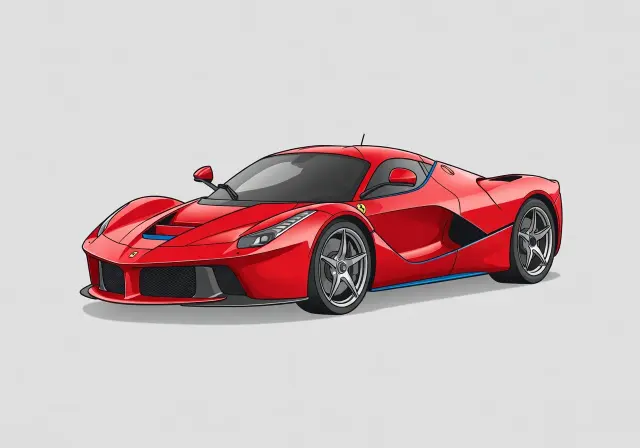 Ferrari LaFerrari 9.60s157.0 mph
 - 10
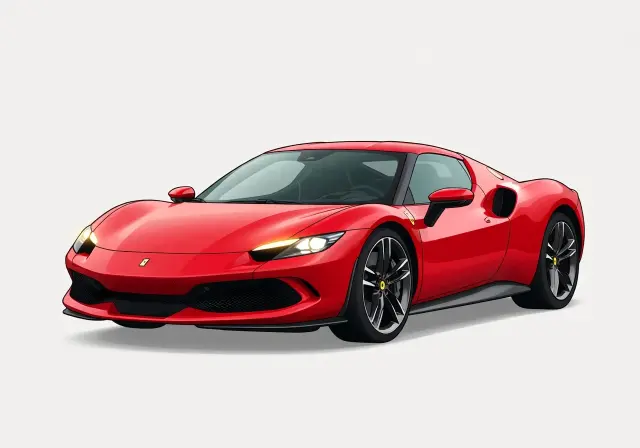 Ferrari 296 GTB 9.60s149.6 mph
02 /
Methodology & Eligibility
- Production-only by default. The canonical ranking counts factory-production vehicles. Use the toggle to include modified / tuner builds.
- One entry per model. Each model is represented by its single fastest verified result — repeated publication tests are collapsed.
- Ranked by Quarter Mile. Lower is faster; ties are broken by the earliest recorded test. Elapsed time from a standing start over a quarter mile — trap speed is shown alongside it but does not affect the order.
- Verified tests only. Every result comes from an independently published road test in our database.
03 /
Full Rankings
vehicles shown
04 /
Category Statistics
8.90sFastest Quarter Mile
14.20sMedian
14.30sAverage
23.50sSlowest qualifying
1134Qualifying vehicles
100.5 mphAverage trap speed
161.0 mphHighest trap speed
Median is preferred over average — it is less influenced by a handful of exceptionally quick outliers. Statistics reflect production results only. Trap speed is recorded as the car crosses the quarter-mile stripe and is reported for 1,120 of the 1,134 qualifying vehicles.
05 /
Common Traits Among the Fastest Of All Time
Across this group, all-wheel drive is the largest drivetrain share at 43 percent, ahead of rear-wheel drive at 38 percent and front-wheel drive at 19 percent. The average output is 343 hp, average weight is 3945 lb, and the average power-to-weight works out to 85.9 hp per 1000 lb, or 11.5 lb per hp. Average quarter-mile trap speed is 100 mph.
On aspiration, naturally aspirated cars make up 45 percent while turbocharged entries account for 32 percent. Manuals are a minority at 27 percent, which fits a ranking where repeatable launches and fast shift execution matter as much as peak output.
38%Rear-wheel drive
44%All-wheel drive
19%Front-wheel drive
344 hpAvg horsepower
351 lb-ftAvg torque
3,950 lbAvg curb weight
86 hp/1,000 lbPower-to-weight
27%Manual gearbox
32%Turbocharged
2008Avg model year
06 /
What Decides a Quarter-Mile Time
Quarter-mile elapsed time is not decided by horsepower alone. This field averages 343 hp, 85.9 hp per 1000 lb, and a 100 mph trap speed, showing that strong power-to-weight is common. But elapsed time also depends on how the car leaves the line, how the gearing keeps it in the power band, how well it finds traction, and how much mass it has to move.
That is why trap speed and elapsed time should be read together. Trap speed reflects power-to-weight because the car is still accelerating at the stripe, while elapsed time also captures the launch and the first 60 feet. A poor start usually stays visible all the way through the run.
Horsepower vs Quarter Mile
One dot per vehicle · 1,128 plotted 320 of 1,128 vehicles, evenly sampled
10s 15s 20s 25s 0 500 1,000 1,500 Horsepower → Quarter Mile (seconds) →
10s 15s 20s 25s 0 500 1,000 1,500 Horsepower → Quarter Mile (seconds) →
Top 10 ranked All other vehicles
Each dot is one vehicle at its fastest verified run. Exact figures for every point are in the full rankings.
07 /
Brands With the Most Of All Time
08 /
Powertrain Breakdown
09 /
Of All Time by Decade
The decade medians show a clear long-term drop in quarter-mile times, though not in a straight line. The 1940s sit at 16.3, the 1950s at 17.8, the 1960s back to 16.3, the 1970s at 17.4, and the 1980s at 16.5. From there, the median falls more consistently to 15.6 in the 1990s and 14.5 in the 2000s.
The pace keeps improving in newer decades, with a 13.8 median in the 2010s and 13 in the 2020s. That pattern matches broader gains in traction, transmissions, launch control, tire technology, and power delivery across the field.
10 /
Records & Superlatives
The record holders show how different powertrains and layouts reach similar results by different means. The quickest naturally aspirated entry is the 2018 Lamborghini Huracan at 10.2 with a 136 mph trap, the quickest turbocharged car is the 2022 Bugatti Chiron at 9.1 and 161 mph, and the quickest electric is the 2025 Lucid Air at 9.0 and 154.8 mph.
By drivetrain and transmission, the 2026 Chevrolet Corvette leads AWD at 8.9 and 155 mph, while the 2015 Ferrari LaFerrari leads RWD at 9.6 despite a higher 157 mph trap. That contrast underlines the difference between trap speed and ET: a car can carry more speed at the stripe without posting the quicker elapsed time.
12 /
Frequently Asked Questions
Which vehicle is quickest here in the quarter mile?
The leader is 2026 Chevrolet Corvette, which covered the quarter mile in 8.9 seconds. Its run was completed at 155 mph, so it is not only first on elapsed time but also one of the strongest finishers by speed at the stripe.
What trap speed does the quickest car post?
The quickest entry, 2026 Chevrolet Corvette, crossed the quarter-mile lights at 155 mph. That matters because trap speed gives extra context for the run: elapsed time shows the whole pass, while the trap better reflects how much speed the car was still adding at the end.
How quick is a typical vehicle in this ranking?
The middle of the field is 14.2 seconds, and the overall average is 14.3 seconds. That gap helps show how broad the category is, with very fast outliers at the top and a much wider spread of real-world quarter-mile results behind them.
How many vehicles qualify, and what is the slowest time included?
There are 1,134 of All Time in this ranking. The slowest qualifying result is 23.5 seconds, which gives you the full span of performances included, from the page leader down to the final verified quarter-mile entry.
Why is the ranking ordered by elapsed time instead of trap speed?
This page is ordered by quarter mile elapsed time because that is the standard result for a full pass. Trap speed still matters, and the field averages 100.5 mph, but two vehicles with similar speed at the stripe can finish in a different order if one launched and shifted more effectively.