
Aston Martin Valhalla 0–60 Times
The Aston Martin Valhalla 0–60 times and quarter-mile times below are from 1 verified production test sourced from reputable automotive resources such as Motor Trend and more.
The fastest tested production Aston Martin Valhalla is the 2026 Aston Martin Valhalla Coupe, which went from 0 to 60 mph in 2.30 seconds, reaching the ¼ mile in 10.00 seconds at 138.0 mph, according to Motor Trend.
The slowest tested production Aston Martin Valhalla is the 2026 Aston Martin Valhalla Coupe, which took 2.30 seconds to reach 60 mph, running the ¼ mile in 10.00 seconds at 138.0 mph, according to Motor Trend.
Across the 1 verified production test of the Aston Martin Valhalla, the average 0–60 mph time is 2.30 seconds. The average quarter-mile time is 10.00 seconds at 138.00 mph.
Fastest 0–60 2.30sec 2026 Coupe · stock
Average 0–60 2.30sec Across 1 production run
Avg ¼ Mile 10.00sec @ 138.0 mph trap
Slowest 0–60 2.30sec 2026 Coupe
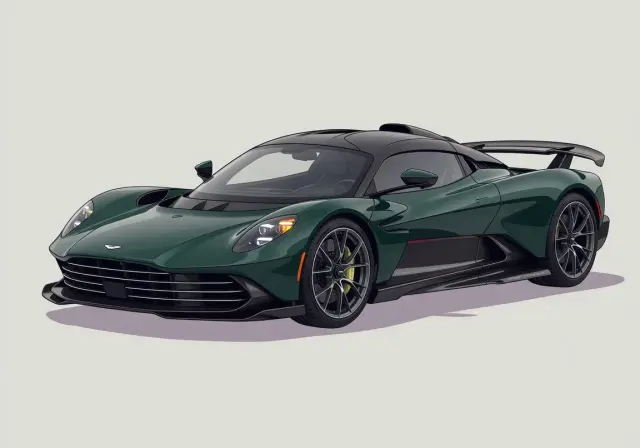
Across 1 verified production run, the Aston Martin Valhalla ranges from 2.30 to 2.30 seconds 0–60, with a 2.30-second average.
The Aston Martin Valhalla is ranked in these lists
01 /
Aston Martin Valhalla 0–60 Times by Year and Trim
1 production test · 1 year ▾
2026 Aston Martin Valhalla
1 production run Avg 0–60 2.30 sec
Avg ¼ Mile 10.00 sec
Production Tests 1
#01
2026 Aston Martin Valhalla Coupe
2.30sec 0–60
10.00s ¼ mi @ 138.0 mph
▾
- 0–60 mph
- 2.30 sec
- ¼ Mile ET
- 10.00 sec
- Trap Speed
- 138.0 mph
- Engine
- 4.0L Twin-Turbo V8 + Elec 6.1-kWh
- Drivetrain
- AWD
- Transmission
- 8A + 1A
- Horsepower
- 1064 hp
- Torque
- 811 lb-ft
- Curb Weight
- 4,219 lbs
- Power-to-Weight
- 4.0 lbs/hp
- MPGe EPA
- 30 C / 34 H
- Production Vehicle
- Body Type
- Coupe
- Powertrain
- Plug in hybrid
- Test Source
- Motor Trend
- Overall Rank
- #1 of 1 production runs
How we verify Aston Martin Valhalla performance data
Records and averages on this page cover verified production runs only; modified and prototype results are listed by year but never folded into them. We include only independently published road-test results from automotive publications. Manufacturer-claimed 0–60 times are excluded unless clearly labeled. When multiple publications test the same Aston Martin Valhalla trim, each run is listed separately — weather, tires, surface, rollout, and instrumentation all affect results.
02 /
Aston Martin Valhalla performance FAQs
6 questions The quickest production Aston Martin Valhalla on record is the 2026 Aston Martin Valhalla Coupe, which runs 0–60 mph in 2.30 seconds and clears the quarter-mile in 10.00 seconds at 138.0 mph.
The slowest recorded production Aston Martin Valhalla is the 2026 Aston Martin Valhalla Coupe, which takes 2.30 seconds to reach 60 mph and runs 10.00 seconds in the quarter.
Averaged across the 1 verified production run, an Aston Martin Valhalla reaches 60 mph in 2.30 seconds and completes the quarter-mile in 10.00 seconds at roughly 138.0 mph.
We have verified test data for 1 model year, covering 1 production run. Each year shows every recorded run, the publication that measured it, and the trim-level details.
Every figure is sourced from published road tests by Motor Trend. We don't use manufacturer claims — only independently timed runs — so the numbers reflect what the car actually does.
0–60 and quarter-mile results depend on driver technique, ambient temperature, tire condition, road surface, altitude, and testing instrumentation. A published figure is a single sample, not an absolute — which is why we show the range of verified runs rather than one number.
Sources
Motor Trend
0–60 and quarter-mile times vary with driver, weather, tire temperature, and wear. We collect every verified run we can find — so you see the range of what an Aston Martin Valhalla can do, not a single marketing claim.
03 /
Other Aston Martin 0–60 times
04 /
Are we missing a performance test for Aston Martin Valhalla?
Log in to suggest a missing test.