
Rankings are based on independently published 0–60 mph tests currently included in the 0–60 Specs database. Vehicles without a qualifying published test in our database are not included.
Fastest 10-Cylinder Cars From 0–60 MPH
Median 0–60 mph 4.90sec Average 6.02s
Qualifying Vehicles 19 1998–2018 model years
Verified Tests 157 Tests in this category
01 /
Top 10 Fastest by 0–60 mph
- 1
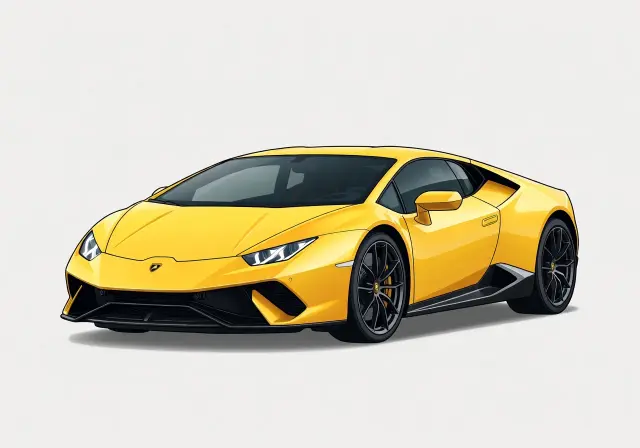 Lamborghini Huracán 2.30s
 - 2
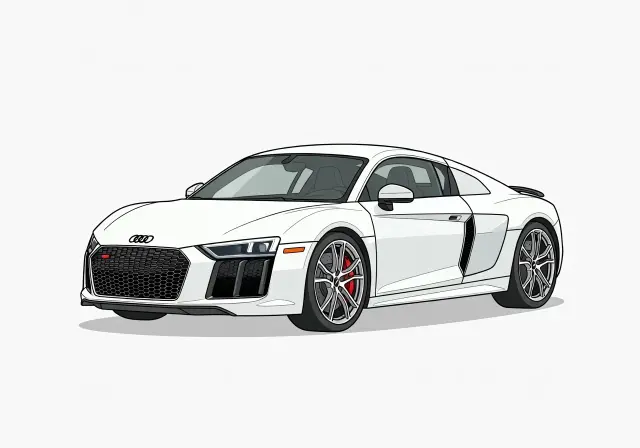 Audi R8 2.60s
 - 3
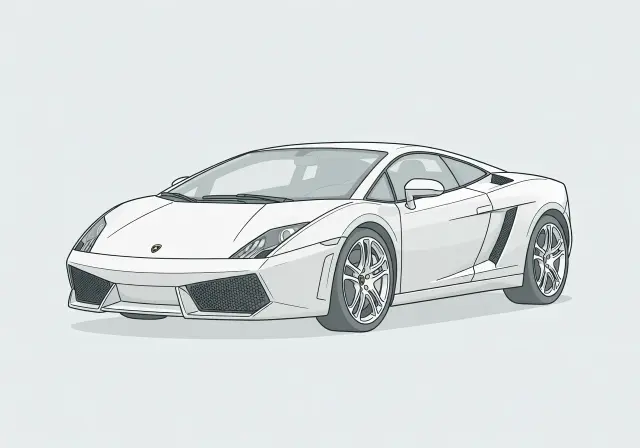 Lamborghini Gallardo 3.00s
 - 4
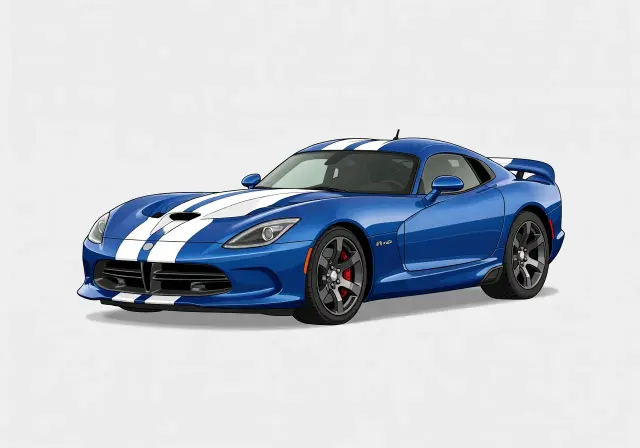 Dodge SRT Viper 3.20s
 - 5
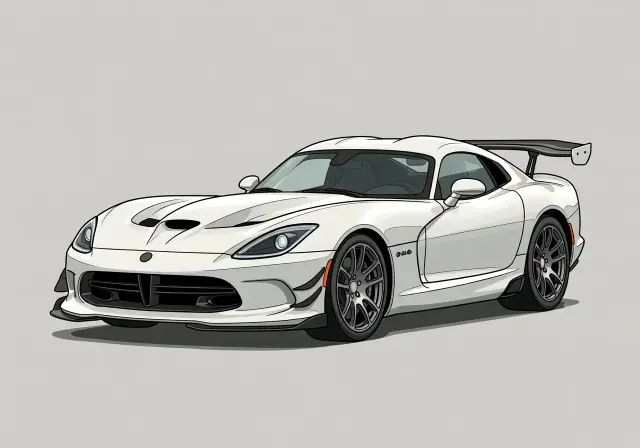 Dodge Viper 3.30s
 - 6
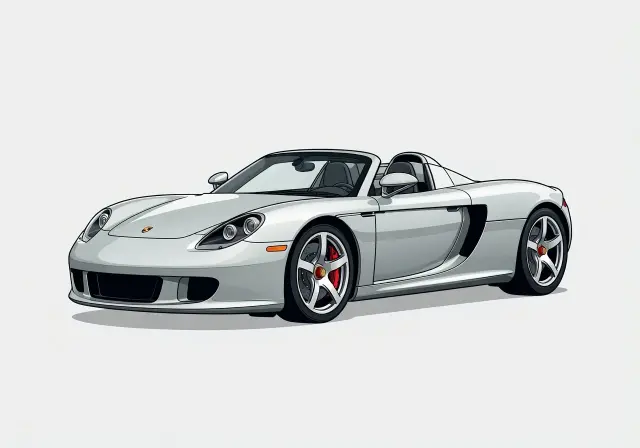 Porsche Carrera GT 3.50s
 - 7
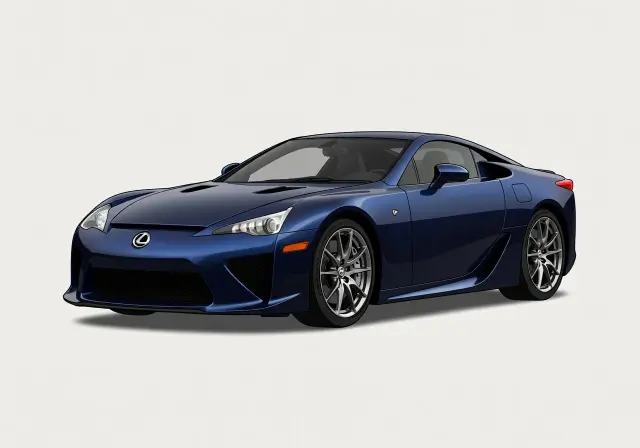 Lexus LFA 3.60s
 - 8
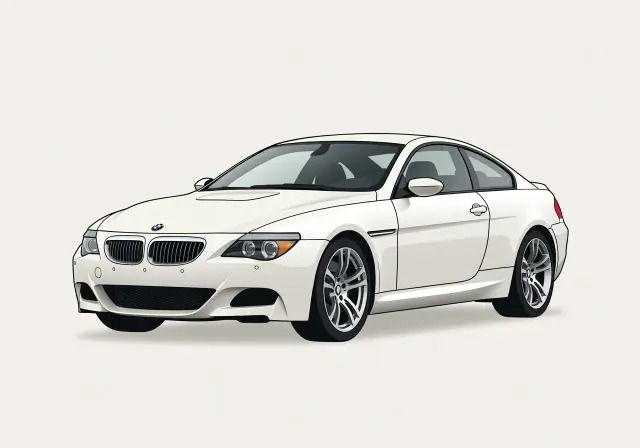 BMW M6 4.10s
 - 9
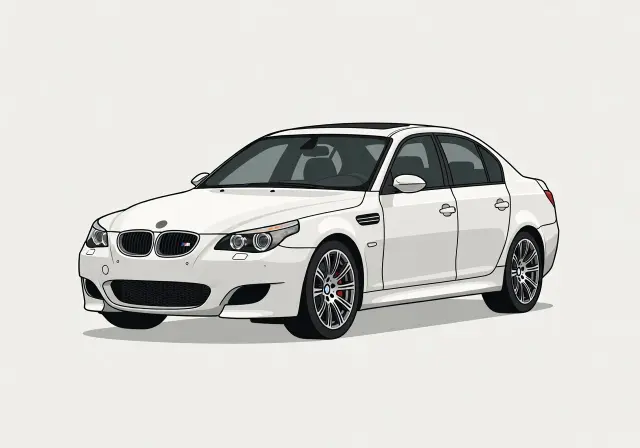 BMW M5 4.10s
 - 10
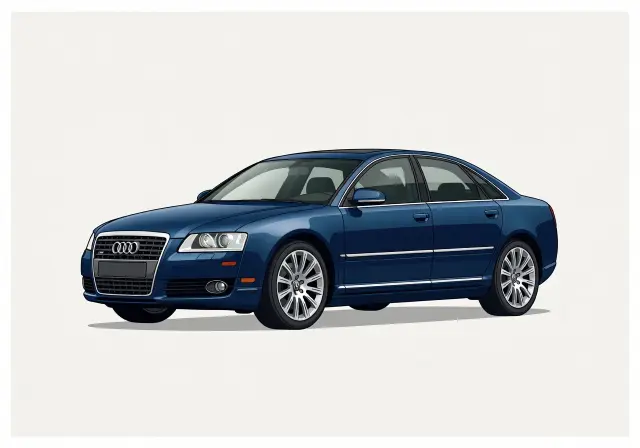 Audi S8 4.90s
02 /
Methodology & Eligibility
- Production-only by default. The canonical ranking counts factory-production vehicles. Use the toggle to include modified / tuner builds.
- One entry per model. Each model is represented by its single fastest verified result — repeated publication tests are collapsed.
- Ranked by 0–60 mph. Lower is faster; ties are broken by the earliest recorded test.
- Verified tests only. Every result comes from an independently published road test in our database.
03 /
Full Rankings
vehicles shown
04 /
Category Statistics
2.30sFastest 0–60 mph
4.90sMedian
6.02sAverage
17.60sSlowest qualifying
19Qualifying vehicles
Median is preferred over average — it is less influenced by a handful of exceptionally quick outliers. Statistics reflect production results only.
05 /
Common Traits Among the Fastest 10-Cylinder Cars
This group is split almost evenly between all-wheel drive and rear-wheel drive, with AWD at 53 percent and RWD at 47 percent. Average output is 474 hp, average weight is 4420 lb, and the average power-to-weight works out to 123.8 hp per 1000 lb, or 9.3 lb per hp. Manual transmissions appear in 26 percent of the field.
Most entries are naturally aspirated, accounting for 89 percent, while turbocharged examples make up 5 percent. The mix is also overwhelmingly gasoline at 89 percent, with diesel at 11 percent. In brand terms, Dodge leads the field, followed by Ford and Audi.
47%Rear-wheel drive
53%All-wheel drive
0%Front-wheel drive
474 hpAvg horsepower
450 lb-ftAvg torque
4,420 lbAvg curb weight
123.8 hp/1,000 lbPower-to-weight
26%Manual gearbox
5%Turbocharged
2007Avg model year
06 /
Why Horsepower Isn't Everything
High output is common here, with an average of 474 hp, but that alone does not decide a 0-60 mph result. This set also averages 4420 lb, so weight matters, and the average power-to-weight figure of 123.8 hp per 1000 lb shows why two vehicles with similar horsepower can post very different times.
Gearing, tire grip, and drivetrain traction also shape launches. The quickest entries, such as the 2018 Lamborghini Huracan and 2017 Audi R8, show how well-matched gearing and AWD can convert output into shorter runs, while lighter or better-geared cars can outperform heavier rivals with comparable power.
Horsepower vs 0–60 mph
One dot per vehicle · 18 plotted One dot per vehicle · 18 plotted
0s 5s 10s 15s 20s 300 400 500 600 Horsepower → 0–60 mph (seconds) →
0s 5s 10s 15s 20s 300 400 500 600 Horsepower → 0–60 mph (seconds) →
Top 10 ranked All other vehicles
Each dot is one vehicle at its fastest verified run. Exact figures for every point are in the full rankings.
07 /
Brands With the Most 10-Cylinder Cars
08 /
Powertrain Breakdown
09 /
10-Cylinder Cars by Decade
The decade medians show a clear step change over time. In the 1990s, the median 0-60 mph time for this group was 8.9 seconds. By the 2000s, the median had dropped to 4.9 seconds, and in the 2010s it fell again to 3.2 seconds.
That progression points to gains in traction, transmissions, launch performance, and overall vehicle engineering across the years covered here, from 1998 to 2018. It also matches the stronger presence of modern AWD supercars near the top, including the Huracan and R8.
10 /
Records & Superlatives
The category leaders show how wide the spread is within V10 performance. The fastest naturally aspirated and AWD and automatic entry is the 2018 Lamborghini Huracan at 2.3 seconds. The quickest rear-wheel-drive and manual car is the 2013 Dodge SRT Viper at 3.2 seconds.
At the other end of the record set, the turbocharged benchmark is the 2004 Volkswagen Touareg at 6.2 seconds. That gap shows this layout covers both focused sports cars and heavier utility-oriented vehicles, and that drivetrain, transmission, and vehicle type can shift results as much as engine configuration alone.
12 /
Frequently Asked Questions
What is the quickest V10 car in this ranking?
The quickest entry is the 2018 Lamborghini Huracán, and it reaches 60 mph in 2.3 seconds. It is a 2018 model, and its listed output is 631 hp, which helps explain why it sits at the top of this category.
How many V10 cars are included, and how wide is the performance spread?
This ranking includes 19 vehicles. Performance ranges from the category-leading 2.3 seconds to the slowest qualifying result of 17.6 seconds, which shows that this group includes both highly focused performance models and much slower entries.
What is a typical 0-60 mph time for these cars?
The median result for 10-Cylinder Cars is 4.9 seconds, while the average is 6.02 seconds. That tells you the center of the field is still quick, but a few slower vehicles pull the mean away from the median.
Why are some V10 cars with similar power ranked differently?
This list is ordered by 0–60 mph, not by output alone. Weight, gearing, tire grip, and drivetrain traction all affect launch performance, so two 10-Cylinder Cars with similar power can still post meaningfully different times to 60 mph.
What qualifies a vehicle for this page?
A vehicle needs a ten-cylinder engine layout and a recorded 0–60 mph result to appear here. Once it qualifies, it is ranked strictly by that acceleration time, from the quickest result to the slowest included entry.